

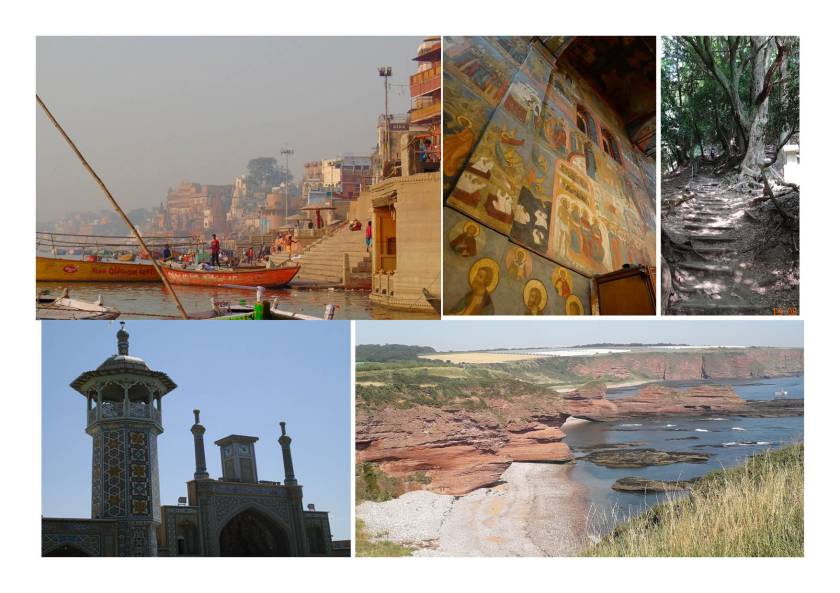
Ci sono dei luoghi al mondo che possiedono una particolare energia. Sono luoghi assai diversi tra loro, alcuni con una lunga storia alle spalle, altri meno conosciuti che però sono egualmente in grado di comunicarci sensazioni positive e farci sentire più sereni. Non si tratta in genere di sensazioni macroscopiche o radicali, sensazioni che ci sconvolgono la vita. Le folgorazioni avvengono, certo, ma dobbiamo saperci accontentare anche del piccolo momento, della percezione che qualcosa accanto a noi vibri. E questo indipendentemente che ci si trovi o meno in un luogo sacro. Nella mia vita mi è capitato molte volte di sentire questa sensazione mentre mi trovavo su un sentiero di montagna o su una scogliera battuta dal vento. Erano luoghi senza nome e senza storia in cui però si avvertiva fortemente il senso del “divino”, la presenza indescrivibile di un nume, di un genius loci.
In altri, che conservavano la memoria di un evento che è avvenuto nel passato e che ancora si perpetua nel tempo, la sensazione è venuta dall’osservazione o dalla partecipazione al culto.
Dieci di queste esperienze, limitandomi a quelle che sono riconducibili a luoghi conosciuti e che possono essere quindi replicate, le voglio condividere con voi. Si tratta ovviamente di ricordi e sensazioni totalmente mie e sicuramente qualcun altro, visitando o avendo visitato questi luoghi, potrebbe non aver vissuto le stesse emozioni.
Per me ricordarli è come aprire uno piccolo scrigno di tesori che fino a ora avevo tenuto ben chiuso.
Sono esperienze avvenute in momenti diversi della mia vita, ma sono quelle che spesso mi tornano in mente e che mi danno la carica per continuare sempre a cercare e ad aggiungerne di nuove alla lista. Spero davvero che un giorno, almeno una queste esperienze possa darvi quello che allora aveva dato (ma in qualche caso continua ancora a dare) a me!
There are places in the world that have a special energy. They are very different places, some with a long history, others less well known, but equally capable of giving us positive feelings and making us feel more at ease. These are generally not macroscopic or radical, life-shattering sensations. Electric shocks do happen, of course, but we need to be able to be satisfied with even the small moment of feeling something vibrate next to us. And this is true whether we are in a sacred place or not. Many times in my life I have felt this while standing on a mountain path or on a windswept cliff. These were places with no name or history, but with a strong sense of the “divine”, the indescribable presence of a deity, a genius loci.
In others, which preserved the memory of an event that had happened in the past and was still perpetuated in time, the feeling came from observing or participating in worship.
I would like to share ten of these experiences with you, restricting myself to those that can be related to known places and therefore can be reproduced. These are, of course, my own memories and feelings, and surely someone else who visits or has visited these places may not have experienced the same feelings.
For me, remembering them is like opening a small treasure chest of treasures that I had kept tightly closed until now.
They are experiences that happened at different times in my life, but they are the ones that keep coming back to me and give me the charge to keep looking and adding new ones to the list. I really hope that one day at least one of these experiences will give you what it gave me (and in some cases still gives)!
1 – Sentire la presenza dei “kami” in una foresta del Giappone
Lo Scintoismo, la religione ufficiale del Giappone, ha un forte legame con le forze della natura e jinja, i santuari di questa religione, trasmettono spesso forti sensazioni emotive. Tra le varie esperienze vissute in questi santuari ricordo in particolare questa.
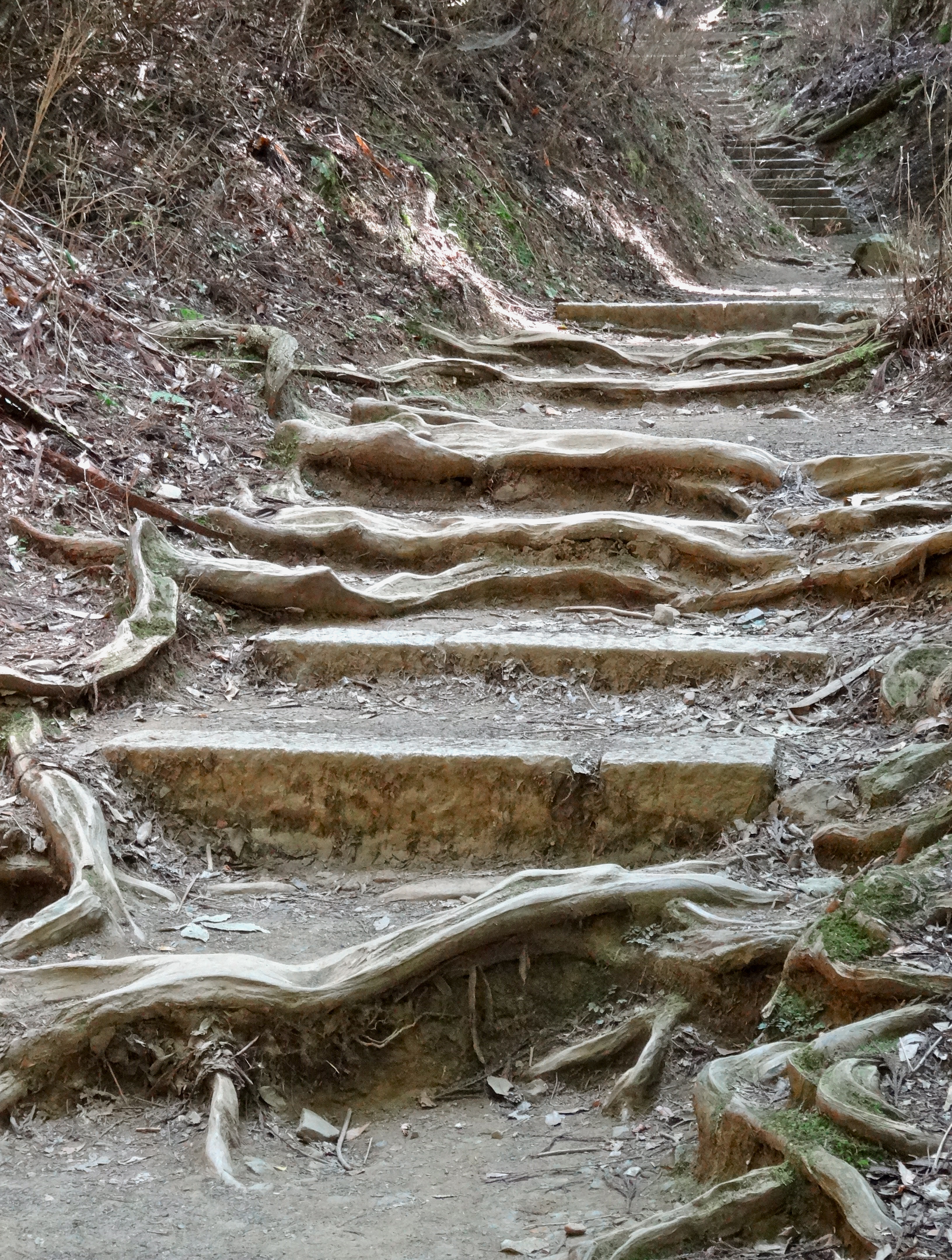
Il sentiero che risale la collina tra il villaggio di Kibune e la stazione termale di Kurama passa attraverso una foresta sacra i cui alberi sono legati dalle Shimenawa, le funi che segnalano uno spazio sacro nel mondo scintoista. Le radici dei cedri secolari si allungano tutt’intorno. C’è un silenzio che pare “denso” e i pellegrini che arrivano come me ansimando (la salita infatti è tutt’altro che agevole!) al cospetto di questa natura sacra si inchinano davanti a un albero quasi si trattasse di una statua. Se c’è un momento dove ho avvertito la presenza dei “kami“, le energie spirituali che emanano da alcuni luoghi, è stato proprio camminando in questo bosco.
Per leggere di un esperienza simile: Kyoto: Kamigamo Jinja, il mistero dello scintoismo.
1 – Feeling the presence of “kami” in a forest in Japan
Shintoism, the official religion of Japan, has a strong connection with the forces of nature, and jinja, the shrines of this religion, often convey strong emotional feelings. Among the various experiences I had at these shrines, I remember this one in particular.
The path up the hill between Kibune Village and Kurama Spa passes through a sacred forest whose trees are bound by shimenawa, the ropes that mark a sacred space in the Shinto world. The roots of centuries-old cedars stretch all around. The silence is “thick”, and pilgrims who, like me, arrive panting (the climb is anything but easy!) in the presence of this sacred nature, bow down before a tree as if it were a statue. If there was a moment when I felt the presence of the “kami”, the spiritual energies that emanate from certain places, it was when I was walking through this forest.
Read about a similar experience: Kyoto: Kamigamo Jinja, the secret of Shintoism.
2 – Camminare recitando il Rosario in un Sacro Monte
Nati nel XVI secolo come surrogato del Pellegrinaggio in Terra Santa, i Sacri Monti sono una straordinaria macchina di devozione dove arte, simboli e natura si fondono in modo perfetto. Non sempre però i visitatori paiono aver presente questo aspetto, riducenoli a una semplice meta per scampagnate… con qualche significativa eccezione.
La gente seduta ai tavoli da pic nic, i venditori di souvenir, tutto sembrava avere il solito approccio, un po’ pagano, che si avverte avvicinandosi a un luogo sacro. Poi, una volta entrato nel bosco di Kalwarya, a pochi chilometri da Wadowice, la città natale di Giovanni Paolo II, le cappelle che ricordano gli eventi della Passione, tipiche della devozione dei Sacri Monti nata proprio in Italia, mi apparvero come vere stazioni di un flusso di pellegrini che pareva vivere un’esperienza grande e unica. Il tutto avveniva mentre gli altoparlanti diffondevano il Rosario a cui ognuno, anche se impegnato in altre occupazioni, disciplinatamente rispondeva e rispondendo rendeva lo spazio che lo circondava e in cui io penetravo curioso, un immenso recipiente spirituale.
Per leggere di un esperienza simile: Sacro Monte di Orta: un percorso francescano/The Sacred Mount of Orta, a Franciscan path.
2 – Walking while praying the rosary on a holy mountain.
Created in the 16th century as a substitute for the pilgrimage to the Holy Land, the Sacred Mounts are an extraordinary devotional machine where art, symbol and nature blend seamlessly. Visitors, however, do not always seem to have this in mind, reducing them to a mere picnic destination – with a few significant exceptions.
People sitting at picnic tables, souvenir sellers, everything seemed to have the usual, somewhat pagan approach that one feels when approaching a sacred place. Then, when I entered the forest of Kalwarya, a few kilometers from Wadowice, the hometown of John Paul II, the chapels commemorating the events of the Passion, typical of the devotion to the Sacred Mounts that originated in Italy, seemed to me like real stations of a stream of pilgrims who seemed to be having a great and unique experience. All this happened while the Rosary was being broadcast over loudspeakers, to which everyone, even if they were engaged in other activities, responded in a disciplined manner, making the space around them, into which I curiously entered, an immense spiritual vessel.
Read about a similar experience: The Sacred Mount of Orta: a Franciscan Way/The Sacred Mount of Orta, a Franciscan Way.
3 – Ascoltare il silenzio del tempo in una cattedrale gotica
La Gran Bretagna è una terra di cattedrali che assumono talvolta le forme oscure e affascinanti del romanico normanno talvolta quelle spettacolari e mozzafiato del gotico verticale. Sono comunque luoghi in cui non è difficile trovare un angolo protetto per ascoltare il silenzio.
Notturna e profonda, alta sulla collina che domina il fiume Wear, la cattedrale normanna di Durham, nel Nord dell’Inghilterra, è uno spazio che può generare emozioni. Le sue colonne decorate, il suo delizioso Galilee, ma soprattutto il privilegio di non essere, malgrado la sua bellezza, una meta del turismo di massa, ne fanno uno spazio da dove è difficile allontanarsi dalla realtà, guardando i giochi di luce delle vetrate, osservando la tomba del Venerabile Beda, maestro del pensiero alto medievale, ascoltando l’apparente silenzio dei secoli, di cui sono colme le cattedrali europee, e che qui viene amplificato in modo mirabile.
3 – Listen to the silence of time in a Gothic cathedral.
Britain is a land of cathedrals, sometimes in the dark and fascinating forms of Norman Romanesque, sometimes in the spectacular and breathtaking forms of vertical Gothic. Yet there are places where it is not difficult to find a sheltered corner to listen to the silence.
Nocturnal and deep, high on a hill overlooking the River Wear, the Norman cathedral in Durham, in the north of England, is a space that can evoke emotion. Its ornate columns, its enchanting Galilee, but above all the privilege of not being a mass tourism destination despite its beauty, make it a place where it is difficult to escape reality, to contemplate the play of light in the stained glass windows, to gaze at the tomb of the Venerable Bede, master of high medieval thought, to listen to the seeming silence of the centuries that fills European cathedrals and is admirably amplified here.
4 – Fare un crocifisso con piccoli legni portati dal mare
Non sempre sono necessari muri e architetture per creare una sensazione spirituale. Il monachesimo celtico, diffuso in Irlanda e Scozia, ha consacrato alla memoria dei suoi santi missionari luoghi in cui il messaggio divino della natura trascende la necessità di uno spazio rituale definito.
Ricorderò per sempre la grotta di san Ninian (St Ninian’s Cave), che si raggiunge con una piacevole passeggiata su una spiaggia selvaggia nella regione del Galloway nel sud Ovest della Scozia, perché qui, seguendo una tradizione locale mi ritrovai a costruire un semplice crocifisso raccogliendo pezzi di legno portati dal mare e a deporli davanti alla grotta nella scogliera dove si ritirò l’evangelizzatore della Scozia. nel vicino villaggio di Whitorn ci sono anche una bella chiesa e un piccolo museo perché questo fu il primo luogo cristianizzato della Scozia, ma quel semplice rito sulla spiaggia è rimasto per me un momento indimenticabile.
Per leggere di un esperienza simile: Iona, Scozia, isola di santi e re/Saint & Kings at Iona, Scotland,
4 – Using small timbers from the sea to make a crucifix
Walls and architecture are not always necessary to create a spiritual feeling. Celtic monasticism, widespread in Ireland and Scotland, consecrated to the memory of its missionary saints places where the divine message of nature transcended the need for a defined ritual space.
I will forever remember St Ninian’s Cave, reached by a leisurely walk along a wild beach in the Galloway region of south-west Scotland, where, following a local tradition, I constructed a simple crucifix by gathering pieces of wood from the sea and placing them outside the cave in the cliff where Scotland’s evangelist retreated. The nearby village of Whitorn also has a beautiful church and a small museum because it was the first Christianised place in Scotland, but this simple ritual on the beach remained an unforgettable moment for me.
Read about a similar experience: Iona, Scotland, Island of Saints and Kings/Saints & Kings at Iona, Scotland,
5 – Riflettere sui misteri della natura seduto in una piccola cappella di montagna
Percorrendo i sentieri di montagna non è difficile incontrare piccoli edifici sacri che sono stati costruiti in tempi in cui quei passaggi, che sono oggi divenuti puramente turistici, erano invece vitali per le comunicazioni tra valli che erano piccoli mondi uguali ma diversi tra loro. Molto spesso quei luoghi sono memoriali di fatti prodigiosi, di guarigioni o di grazie ricevute. Ma eventi prodigiosi possono continuare a verificarsi..
“Vede, mi diceva l’albergatore venuto qui dall’Italia negli anni Sessanta, nella valle non crescono più alberi. Un alluvione se li è portati via tutti, con i ponti e ogni cosa.. La furia delle acque però ha risparmiato la Cappella di san Nicolao!” Ero a Flüli Ranft nel cantone di Obwald in Svizzera, il paese dove visse san Nicolao, il santo patrono della Confederazione. Un piccolo rettangolo di verde, intatto, sopravviveva infatti nella valle e, sull’altro versante, se ne vedeva un altro, anch’esso con al centro una piccola cappella. Per arrivarci bisognava passare su un ponte provvisorio perché quello vero se l’era portato via l’acqua… Nella piccola cappella due suore, inginocchiate, pregavano mentre un vento si alzava dalla stretta valle portando sibili ed echi. Qui il patrono della Svizzera, si ritirò da uomo adulto e di successo, a meditare e, sentendosi chiamato, cambiò la propria vita. Nicolao della Flue lavorò poi anche per la salvezza della Confederazione e pare che la sua attività di protezione non sia mai terminata. Io quella sera ne sentii la presenza.
Per leggere di un esperienza simile: Pietralba/Weissenstein, un pellegrinaggio tra le Dolomiti- Pietralba/Weissenstein a pilgrimage in the Dolomites
5 – Sitting in a small mountain chapel, contemplating the mysteries of nature
Walking along the mountain paths, it is not difficult to come across small sacred buildings, built at a time when these passages, which have now become purely touristic, were vital for communication between valleys that were small, equal but different worlds. Very often these places are memorials to miraculous events, healings or graces received. But miraculous events can still happen….
“You see,” the hotelier who came here from Italy in the 1960s told me, “there are no trees left in the valley. A flood took them all away, the bridges and everything…. But the fury of the waters spared the chapel of St Nicholas! I was in Flüli Ranft in the canton of Obwald in Switzerland, the village where St Nicholas, the patron saint of the Swiss Confederation, lived. In fact, a small rectangle of green, untouched, had survived in the valley, and on the other side, you could see another one, also with a small chapel in the center. To get there, you had to cross a temporary bridge because the real one had been washed away by the water…. In the small chapel, two nuns prayed on their knees, while a wind blew from the narrow valley, bringing hisses and echoes. It was here that the patron saint of Switzerland, a grown and successful man, retired to meditate and, feeling called, changed his life. Nicholas of the Flue went on to work for the salvation of the Confederation, and it seems that his protective activities never ceased.
I felt his presence that night.
Read about a similar experience: Pietralba/Weissenstein a pilgrimage in the Dolomites- Pietralba/Weissenstein a pilgrimage in the Dolomites
6 – Visitare una chiesa romanica di notte
Le chiese, escludendo alcune particolari occasioni liturgiche, chiudono oggi i battenti al tramonto e la nostra percezione dello spazio sacro è necessariamente divenuta soprattutto luminosa, sia per la presenza di luce naturale sia per quella artificiale necessaria alle funzioni. Eppure trovarsi da solo in una chiesa quando è notte e ci sono solo luci di candele a bucarne lo spazio è un’esperienza irripetibile e fortificante, la stessa che dovettero vivere i nostri antenati. Se poi la chiesa in questione è un vero capolavoro del romanico mondiale l’effetto prodotto è davvero indelebile!
Me ne avevano parlato di Sainte Foy (Santa Fede) come una delle più belle chiese romaniche d’Europa e ne avevo letto meraviglie su uno dei mitici volumi della casa editrice Zodiac chiamato “La via Lattea” (edito in Italia da Jaca Book) che descriveva i tesori sul Cammino di Santiago in Francia. Mai però avrei immaginato di averla tutta per me in una fredda sera di marzo. Ero arrivato a Conques, piccolo villaggio dell’Aveyron, nell’Occitania, al tramonto e avevo in programma di visitarla il mattino dopo. Uscito dopo cena per far passeggiare il cane me la ritrovai davanti splendida e silenziosa. La mia sorpresa crebbe quando scoprii che le sue porte erano ancora stranamente aperte. Provate a restare soli al buio in una grande chiesa romanica in una notte di primavera. . Nessun rumore. Ombre e spazi che paiono indefiniti. Così doveva viverla il pellegrino che vi arrivava esausto e che cercava ristoro davanti al “corpo santo” di Santa Fede che qui è sepolto. Sono tornato naturalmente a visitarla il mattino dopo ed era ovviamente bellissima, ancor più di come l’avevo immaginata, ma ero conscio di avere avuto un privilegio e ora potevo permettermi di ammirare l’armonia delle sue forme come quando si esce da un sogno e si è ansiosi di confrontarlo con la realtà.
6 – Visiting a Romanesque church at night
Today, except for a few special liturgical occasions, churches close their doors at sunset, and our perception of sacred space has necessarily become primarily luminous, both because of the presence of natural light and because of the artificial light needed for worship. But to find oneself alone in a church at night, with only candlelight to illuminate the space, is an unrepeatable and fortifying experience, just as it was for our ancestors. And if the church in question is a true masterpiece of world Romanesque, the effect is truly indelible!
I had been told that Sainte Foy was one of the most beautiful Romanesque churches in Europe, and I had read wonders about it in one of the mythical volumes of the Zodiac publishing house which describes the treasures of the Camino de Santiago in France. I never imagined, however, that on a cold March evening, I would have them all to myself. I had arrived in Conques, a small village in Aveyron, Occitania, at sunset and had planned to visit it the next morning. After dinner, I went out to walk the dog and found her in front of me, magnificent and silent. My surprise grew when I discovered that her doors were still strangely open. Try being alone in the dark in a large Romanesque church on a spring night …
7 – Sedersi, meditare, contemplare in un ghat dell’India
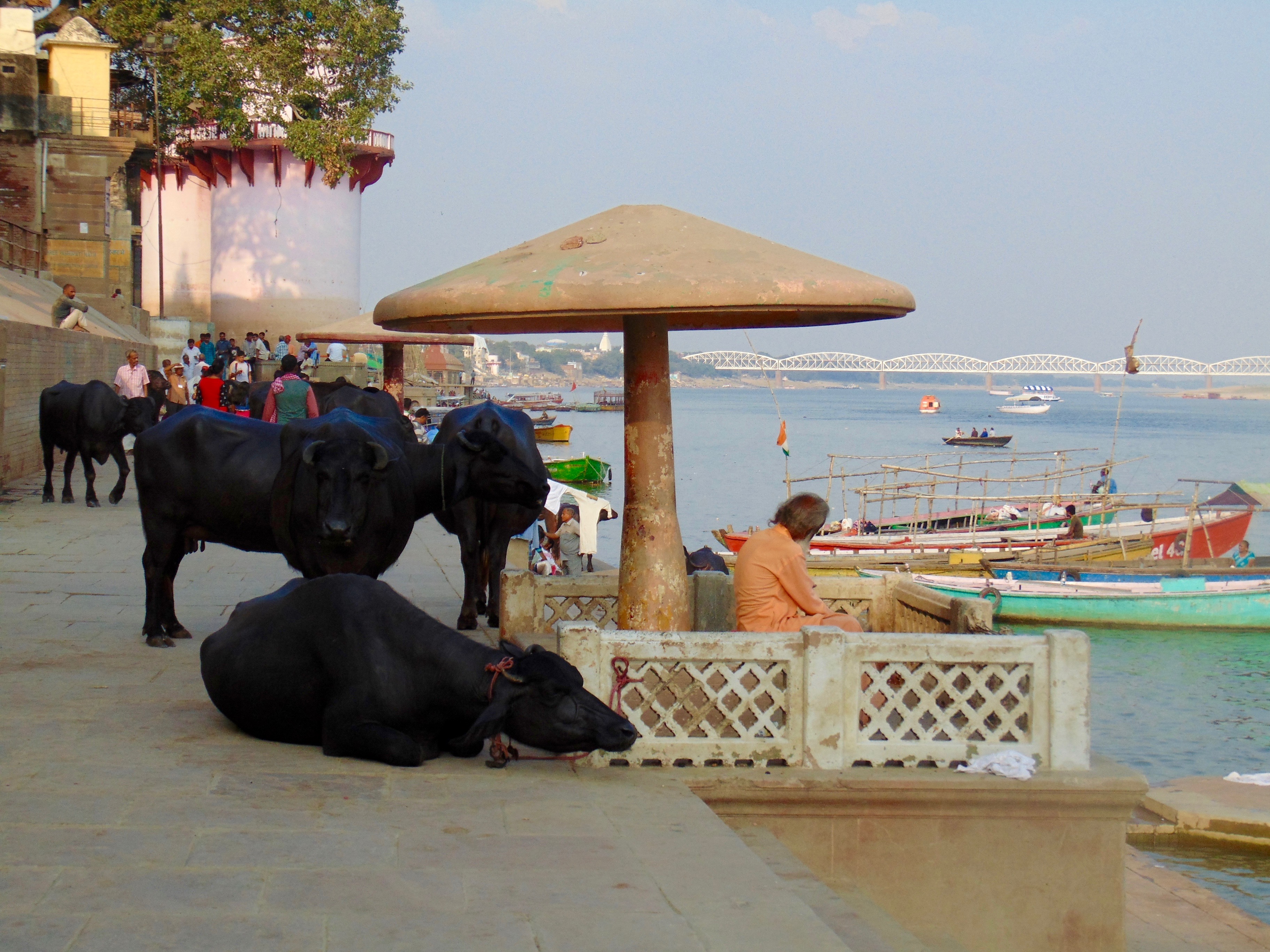
I ghat, i gradini che portano a uno specchio d’acqua sacro, sia esso un fiume, un lago o un bacino artificiale appositamente costruito, sono una presenza costante nel paesaggio sacro dell’India. I pellegrini indù li usano come luogo in cui prepararsi alle abluzioni, meditare contemplando le acque, dormire la notte. Alcuni decidono anche di viverci. Ovunque ci siano un tempio e dell’acqua troverete un ghat. Ma i ghat più grandi, spettacolari e giustamente famosi sono quelli di Varanasi, la più sacra tra tutte le città.
Questo momento l’avevo a lungo procrastinato, incerto se sarebbe stato davvero pari alla mia attesa. Varanasi era un luogo di emozione e di paura. Poi la decisione. La scoperta. L’infatuazione. Il ricordo del tempo passato seduto a guardare, a sentire, a essere per un breve momento sospeso dai pensieri e dalle incombenze onerose. Potrei dire: se c’è un luogo da cui distaccarmi mi è costato dolore e di cui provo sempre una sottile nostalgia quello è Varanasi, sono i suoi ghat su cui si coglie la vita e si supera la morte, dove santi, mendicanti, famiglie, backpackers internazionali e rispettabili indiani, sembrano fondersi davanti alla corrente della Ganga, il fiume madre.
Ne ho parlato più diffusamente qui Varanasi: pensieri sulla morte e sulla vita nella “città tempio” dell’India./Reflections about death and life in the Indian “temple city”.
7 – Sitting, meditating, contemplating in a ghat in India.
Ghats, the steps leading to a sacred body of water, be it a river, a lake or a specially constructed reservoir, are a constant presence in India’s sacred landscape. Hindu pilgrims use them to prepare for ablutions, to meditate while contemplating the water, and to sleep at night. Some even choose to live there. Wherever there is a temple and water, there is a ghat. But the largest, most spectacular, and rightly famous ghats are those in Varanasi, the holiest of cities.
I had put off this moment for a long time, unsure if it would live up to my expectations. Varanasi was a place of both excitement and trepidation. Then the decision. The discovery. The infatuation. The memory of the time spent sitting and watching, feeling, being suspended for a brief moment from tiresome thoughts and tasks. I could say that if there is one place from which detachment has cost me pain and for which I always feel a subtle nostalgia, it is Varanasi, on its ghats, where life is grasped and death is overcome, where saints, beggars, families, international backpackers, and respectable Indians seem to merge before the current of the Ganga, the mother river.
I have discussed this in more detail here
Varanasi: Reflections on Death and Life in India’s Temple City.

8 – Visitare un Imamzadeh in Iran
Il culto dei santi è una delle pratiche più diffuse nell’Islam sciita, praticato in Iran, e costituisce anche uno dei maggiori elementi di controversia con i puristi sunniti che invece rivolgono la propria devozione esclusivamente ad Allah. I luoghi di sepoltura di personaggi di alto profilo spirituale sono per gli sciiti meta di intensi pellegrinaggi, similmente a quanto avviene per i santuari cristiani. Spesso rivestiti di specchi e preceduti da ampi cortili, gli imamazadeh e gli hazarat sono normalmente aperti anche ai non musulmani e vi si può sostare osservando la grande devozione dei visitatori e assorbendone indirettamente i benefici spirituali.
Mi avevano detto: entrare nel sacro recinto del santuario di Qom, la più santa delle città iraniane, è impossibile, non sono ammessi turisti, tanto meno non musulmani. Ma Alì mi conosceva e sapeva quanto fosse importante per me questa visita. Così chiese, assicurò, garantì ed alla fine fui ammesso a un’anticamera dove un colto ayathollah, curiosamente nato a Milano, mi intrattenne a lungo parlando italiano per capire le mie intenzioni. Erano buone e rispettose così entrai, non solo nel cortile ma anche nel sancta sanctorum dove uomini di ogni età, venuti da tutto l’Iran, si mettevano silenziosamente in fila per appoggiare la fronte al sepolcro di Fatima Mazumeh, la venerata sorella del Imam Reza. Mi accolsero, mi portarono come un ospite d’onore fino al sepolcro mormorando preghiere. Molti di loro piangevano per la felicità di trovarsi in quel luogo e per un attimo mi sentii anch’io uno di loro, prima di tornare all’esterno, sotto le splendide cupole d’oro, nei cortili rivestiti di maioliche. Prima di capire che era davvero successo e non sapevo il perché.
Per chi fosse interessato all’Iran: Le città sante dell’Iran/Holy Cities of Iran
8 – Visit to an Imamzadeh in Iran.
The veneration of saints is one of the most widespread practices in Shia Islam, as practiced in Iran, and is also a major bone of contention with Sunni purists, who instead direct their devotion exclusively to Allah. The burial sites of prominent spiritual figures are the subject of intense pilgrimages for Shiites, much like Christian shrines. Often lined with mirrors and preceded by large courtyards, imamazadehs, and hazarats are usually open to non-Muslims, who can stand and observe the devotion of the visitors and indirectly absorb their spiritual benefits.
I had been told that entering the holy precincts of the shrine in Qom, the holiest of Iranian cities, was impossible; no tourists, let alone non-Muslims, were allowed. But Ali knew me and how important this visit was to me. So he asked, assured, guaranteed, and finally, I was admitted to an antechamber where an educated Ayatollah, curiously born in Milan, entertained me at length in Italian to understand my intentions. They were good and respectful, so I entered, not only the courtyard but also the sanctum sanctorum, where men of all ages, who had come from all over Iran, lined up in silence to rest their foreheads on the tomb of Fatima Mazumeh, the revered sister of Imam Reza. They welcomed me, carried me to the tomb as an honored guest, and muttered prayers. Many of them were crying, so happy to be there, and for a moment I felt like one of them, before I went back outside, under the beautiful golden domes, in the majolica-clad courtyards. Before I realized it had really happened, I didn’t know why.
For those interested in Iran: The Holy Cities of Iran.
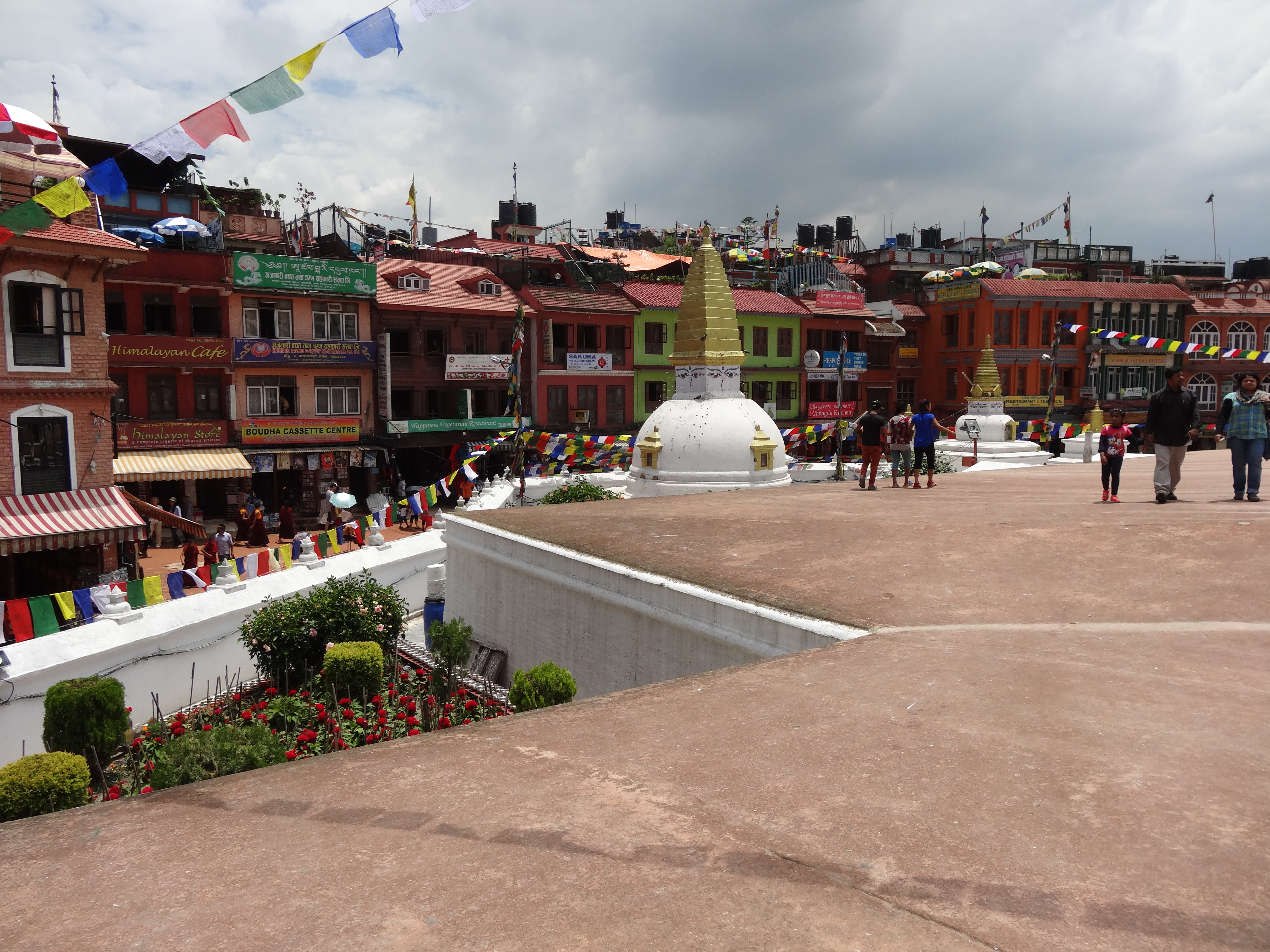
9 – Camminare attorno a uno stupa
Uno stupa è uno tumulo costruito per custodire delle reliquie o dei testi sacri che può essere di minime dimensioni o può divenire un monumento imponente. Una delle pratiche più diffuse della preghiera tibetana è la circumambulazione in senso orario dello stupa, fatta recitando per ogni giro un mantra o una preghiera. C’è chi gira lentamente per ore, chi lo fa una volta sola rapidamente, chi lo fa avanzando solo sulle braccia. Girare attorno è comunque un’esperienza che libera la mente e infonde tranquillità e leggerezza.
Il concetto di spazio sacro è molto chiaro a Boudhanath, cittadina della valle di Kathmandu in Nepal. Fuori c’è confusione, disordine, rumore, polvere. Asiatico caos. Poi si percorre uno stretto passaggio tra le case e ci si trova in una grande piazza circolare al centro della quale sorge uno dei più grandi stupa del mondo. Gli occhi di Buddha che ti osservano, le preghiere incise sulle “ruote” che girano in continuazione, mandando messaggi di pace. Cammini, fai partire la ruota e ti abbandoni al “non pensiero”, lasciando che i tuoi passi si susseguano, giro dopo giro, e che i tuoi occhi colgano, distrattamente, gli eterogenei edifici (templi, monasteri, negozi, ostelli, ristoranti) che creano il cerchio che circonda lo stupa. Compere la circumambulazione di uno stupa è un esperienza comune a ogni tempio del buddismo Vajrayana (o buddismo tibetano come è più facile definirlo) ma quello di Boudhanath, forse per le sue dimensioni e per il fatto di essere al centro di un cerchio, ha davvero qualcosa di speciale.
Per leggere di un esperienza simile: Boudhanath, Nepal: una magica storia di fede (A magical story of faith).
9 – Walking around a stupa
A stupa is a hill built to enshrine relics or sacred texts, and can be of minimal size or an imposing monument. One of the most common practices of Tibetan prayer is to circumambulate the stupa clockwise, reciting a mantra or prayer for each lap. Some people do it slowly for hours, some do it quickly once, and some do it just by walking on their arms. However, circumambulation is an experience that frees the mind and brings tranquillity and ease.
The concept of sacred space is very clear in Boudhanath, a town in Nepal’s Kathmandu Valley. Outside there is confusion, disorder, noise, and dust. Asian chaos. Then you walk through a narrow passage between houses and find yourself in a large circular square with one of the largest stupas in the world in the centre. Buddha’s eyes watch you, prayers engraved on the “wheels” that turn constantly, sending messages of peace. You walk, set the wheel in motion, and indulge in “non-thinking”, letting your steps follow one another, round after round, your eyes absentmindedly catching the various buildings (temples, monasteries, shops, hostels, restaurants) that form the circle around the stupa. Circumnavigating a stupa is a common experience in every temple of Vajrayana Buddhism (or Tibetan Buddhism as it is more easily called) but Boudhanath’s, perhaps because of its size and the fact that it is in the center of a circle, has something really special about it.
Read about a similar experience: Boudhanath, Nepal: a magical story of faith (A magical story of faith).
10 – Essere “rapito” dalla magia da un rito cristiano ortodosso
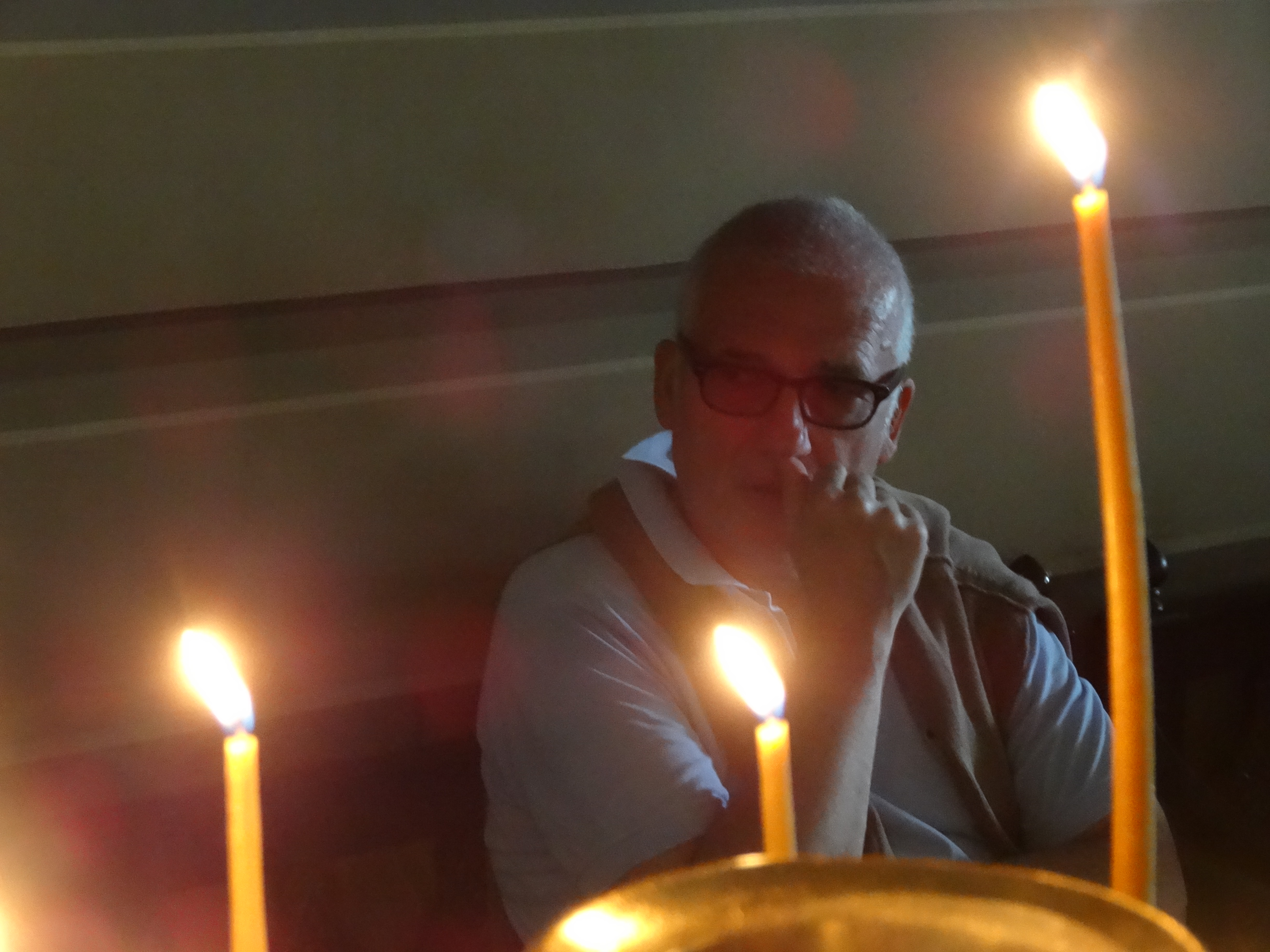
Assistere alla liturgia ortodossa può essere emozionante e faticoso: faticoso perché i riti sono lunghi e spesso bisogna rimanere sempre in piedi; emozionante perché i canti, le apparizioni dei celebranti dall’iconostasi, la diffusione di incensi, la serie di ostensioni, benedizioni, baci di reliquie, avvengono spesso in un contesto di penombra con grande profusione di candele in cera grezza che ardono e rendono le esperienze indimenticabili.
Da tempo desideravo visitare il monastero di Rila, isolato tra le montagne della Bulgaria, considerato uno dei più belli del mondo cristiano ortodosso. C’ero però arrivato per caso, a sorpresa, in una piccola fuga organizzata da “altri” in un occasione professionale, e l’avevo trovato davvero pari alla sua fama. Il grande cortile con le logge, la chiesa coperta da affreschi anche all’esterno, i monaci indaffarati. Insomma tutti gli ingredienti sufficienti e necessari a rendere una visita indimenticabile. Poi però iniziò la preghiera del vespro e mi ritrovai nella chiesa, ormai invasa dalle ombre della sera, ad ascoltare i canti dei monaci. Raramente mi è capitato di essere “rapito” da una situazione come in quella sera di ottobre a Rila. Le voci si legavano alle figure che ricoprivano ogni angolo della chiesa, ormai illuminate solo dalla luce di piccole lampade votive e candele. Stavo vivendo una di quelle situazioni che avrei voluto definire senza fine.. e invece “gli altri” mi presero per un braccio e mi trascinarono fuori perché era tempo di tornare alla nostra base e del canto dei monaci non pareva interessare a nessuno…Mi sentii come mutilato. Da quel giorno ho assistito a molte altre celebrazioni ortodosse imponendomi con soddisfazione di farlo fino in fondo!
Per leggere di un esperienza simile: Mosca: il monastero Novospasskji. Riflessioni su forma e sostanza/Moscow: Novospasskji Monastery.
10 – Being “kidnapped” by magic from an orthodox Christian rite
Attending an Orthodox liturgy can be both exciting and tiring: tiring because the rites are long and you often have to stand all the time; exciting because the singing, the appearances of the celebrants from the iconostasis, the spreading of incense, the series of expositions, the blessings, the kissing of relics, often take place in a dimly lit environment with an abundance of raw wax candles burning, making the experience unforgettable.
I had long wanted to visit Rila Monastery, isolated in the mountains of Bulgaria and considered one of the most beautiful in the Orthodox Christian world. However, I arrived there by chance, by surprise, on a small excursion organized by “others” for a professional occasion, and found that it really lived up to its reputation. The large courtyard with its loggias, the church covered with frescoes even on the outside, the busy monks. In short, all the ingredients necessary and sufficient to make it an unforgettable visit. But then vespers began and I found myself in the church, now covered by the evening shadows, listening to the monks singing. Rarely have I been as “enraptured” as I was on that October evening in Rila. The voices merged with the figures that covered every corner of the church, now illuminated only by the light of small votive lamps and candles. I was experiencing one of those situations that I would have liked to call endless … but instead “the others” grabbed me by the arm and dragged me out, because it was time to return to our base and no one seemed to care about the monks’ singing… I felt mutilated. Since that day, I have attended many other Orthodox celebrations, and I am satisfied that I have gone all the way!
Read about a similar experience: Moscow: the Novospassky Monastery. Reflections on Form and Substance/Moscow: The Novospassky Monastery.
OGNI ARTICOLO DIVENTA UN VIAGGIO! SE SEI INTERESSATO A ORGANIZZARE UN VIAGGIO SUI TEMI TRATTATI DA CITYPILGRIMBLOG LEGGI QUI
 The City Pilgrim
3 commenti