

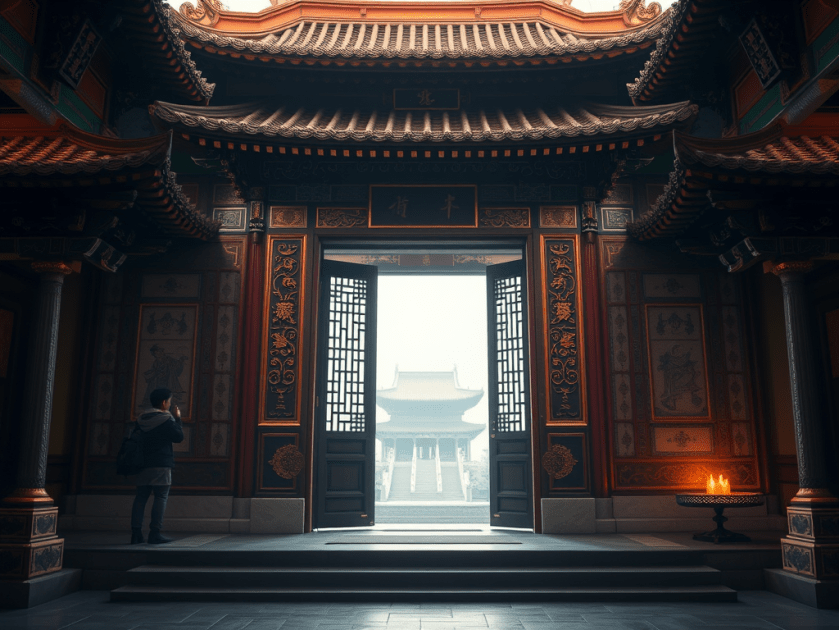
Ogni volta che attraverso una porta entro in uno spazio diverso, uno spazio che muta luce, funzione e dimensioni. Talvolta mi stupisco per quel che trovo oltre il passaggio, talvolta inorridisco, spesso prendo semplicemente atto del mutamento e proseguo il mio percorso immerso in altri pensieri. C’è una sola determinante eccezione a questa involontaria indifferenza: quella di passare la porta di ingresso di un luogo sacro.
Allora, anche nelle mie giornate più ordinarie o distratte, sono risucchiato in un vortice di devozione, protezione, contemplazione che è sprituale ma anche puramente artistica ed estetica. Vedo, annuso, sfioro un qualcosa di diverso e fortificante. Questo piccolo “trauma sensoriale” è ancor di più intenso quando il luogo sacro a cui accedo è inserito nel cuore di una città dalla cui vita caotica e tumultuosa lo separano soltanto delle mura e, naturalmente, una o più porte.
Varcando quelle porte entro davvero in una dimensione mutevole che comporta un adattamento del mio corpo a luci, visioni, suoni, silenzi inconsueti che mi ispirano possibilità di riflessione e miglioramento che purtroppo non sempre riesco a cogliere.
Every time I walk through a door, I enter a different space that changes in terms of light, function and dimensions. Sometimes I am amazed by what I find beyond the passageway; sometimes I am horrified. Often, however, I simply take note of the change and continue on my way, lost in thought. There is only one decisive exception to this indifference: passing through the entrance of a sacred place.
Even on my most ordinary or distracted days, I am drawn into a vortex of devotion, protection and contemplation that is both spiritual and purely artistic and aesthetic. I see, smell and touch something different and invigorating. This small ‘sensory trauma’ is even more intense when the sacred place I enter is located in the heart of a city and is separated from its chaotic life only by walls and, of course, one or more doors.
Passing through those doors, I truly enter a different dimension, where my body must adapt to unusual lights, sights, sounds and silences, which inspire me to reflect and grow as a person. Unfortunately, I do not always grasp this opportunity.
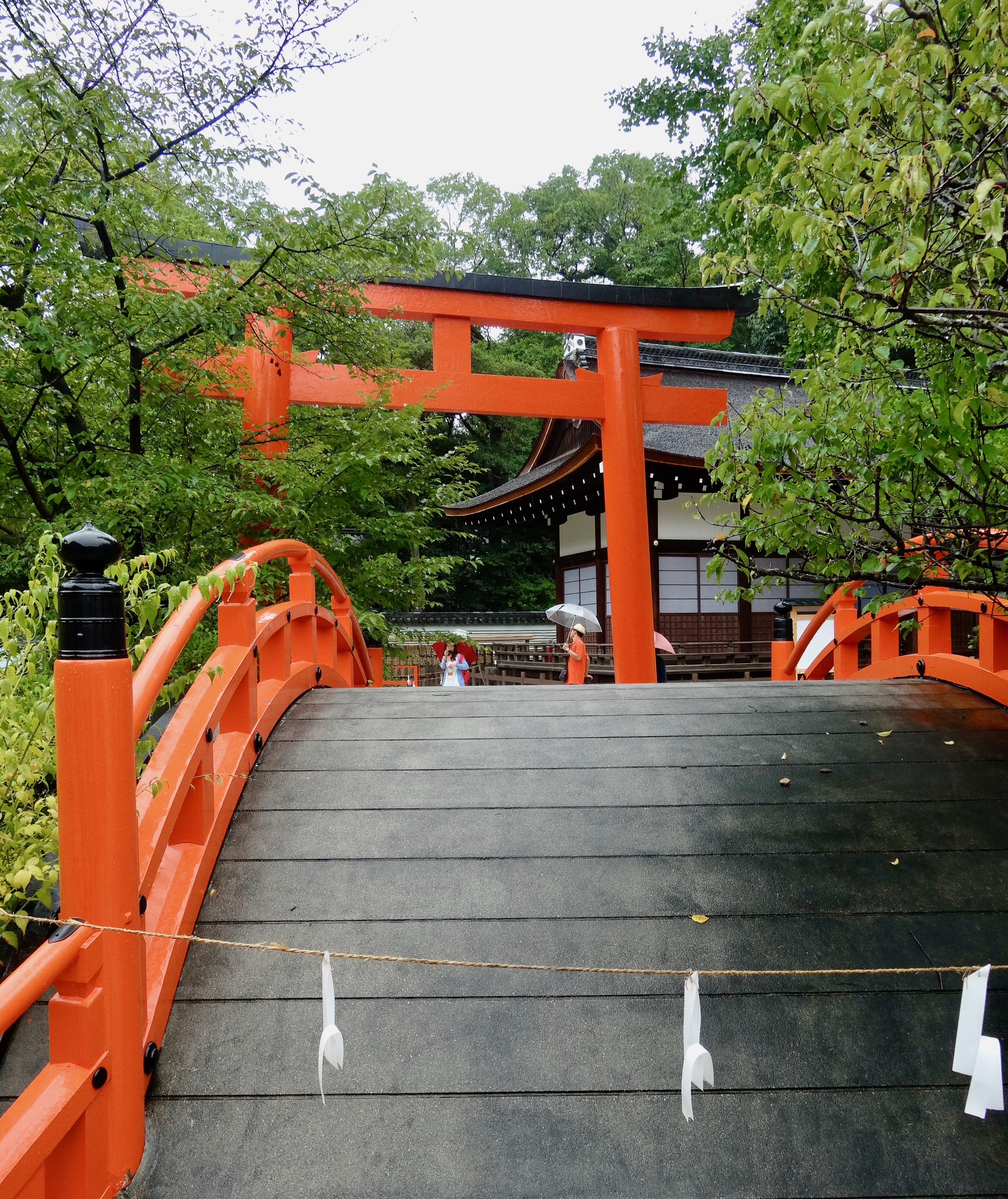
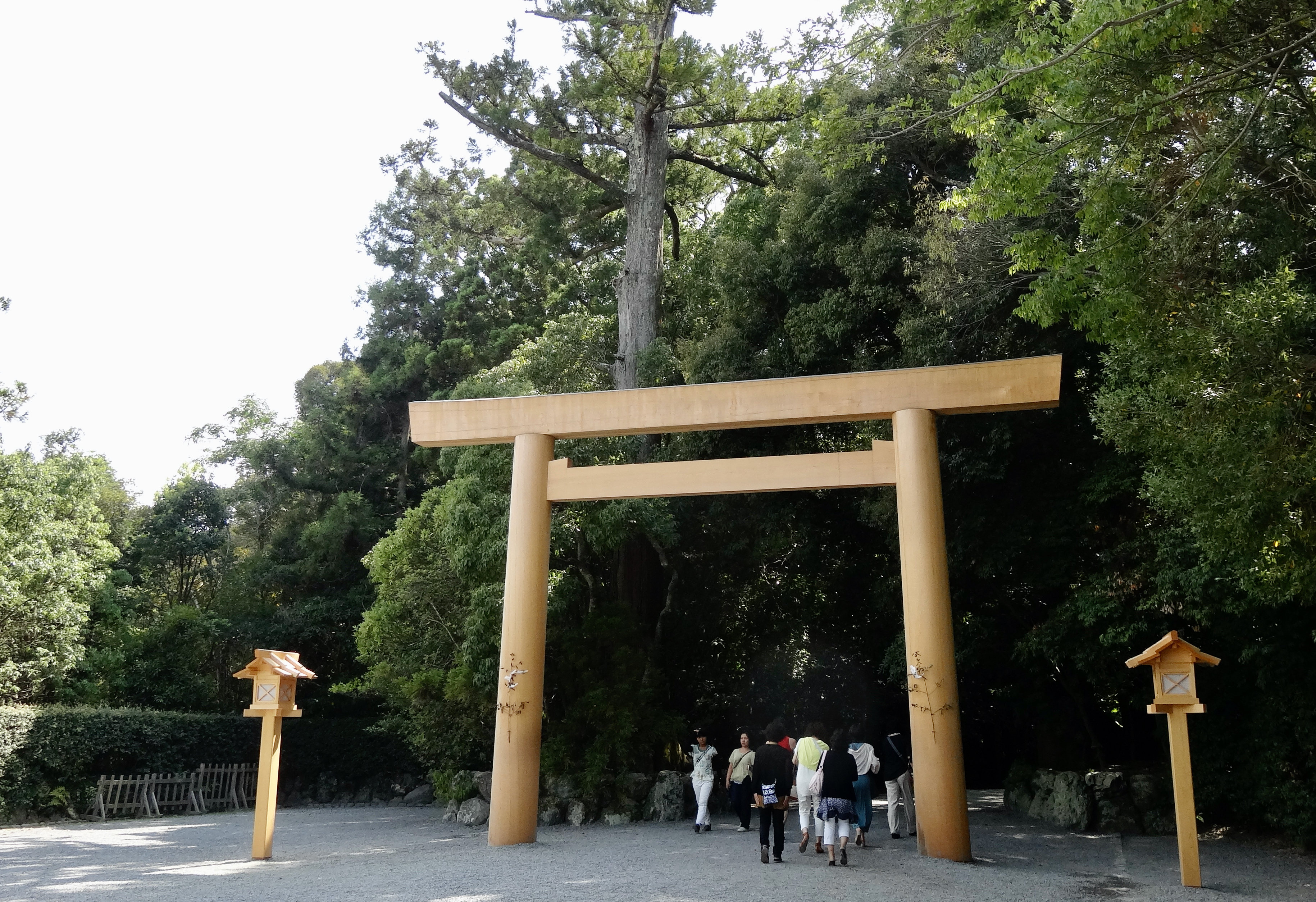
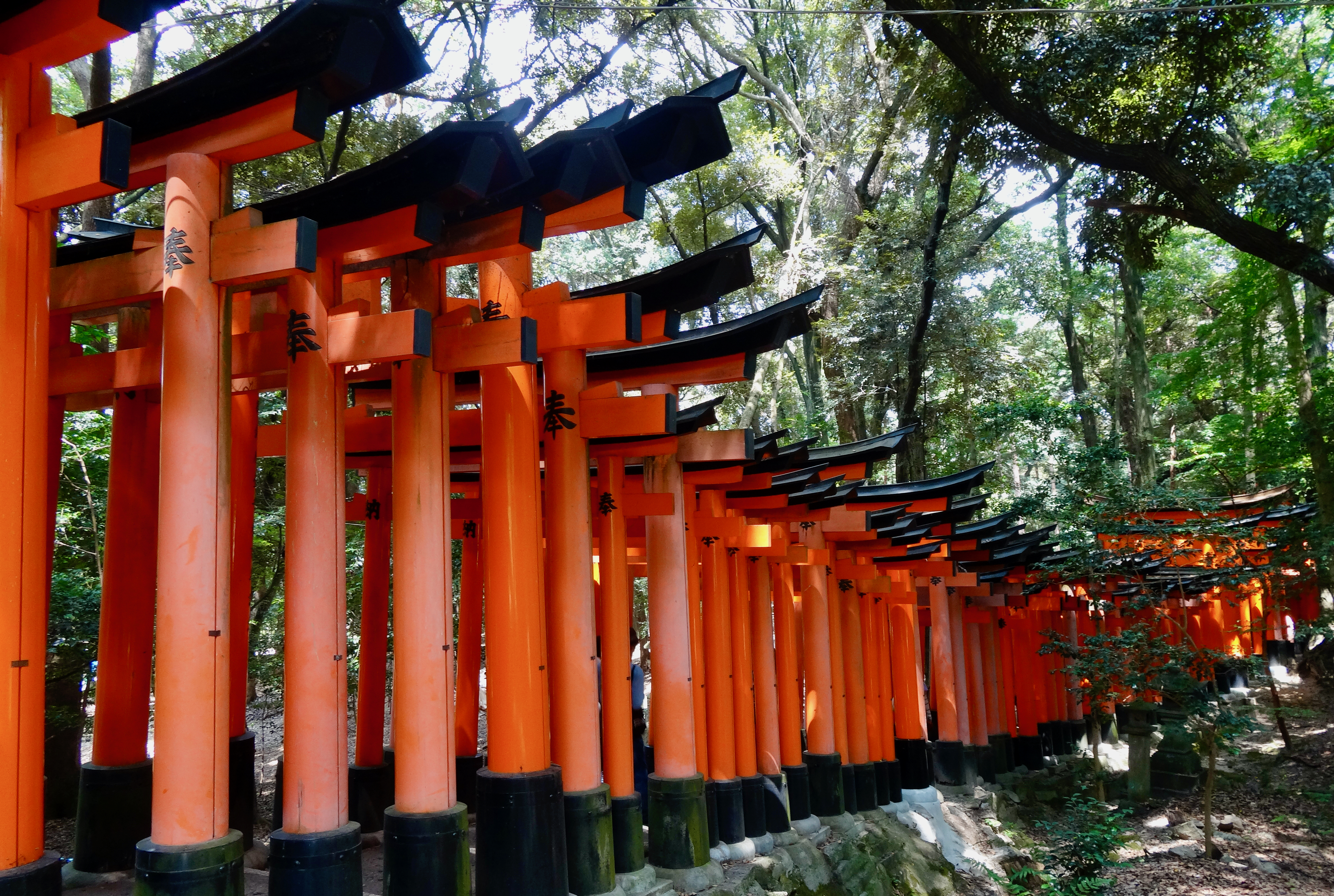
Raramente mi è capitato di avvertire un passaggio tanto evidente tra esterno ed interno come entrando in alcuni santuari sciontoisti del Giappone, specialmente in quelli meno assediati dai turisti (ne ho parlato in questo articolo Kyoto: Kamigamo Jinja, il mistero dello scintoismo. se vuoi saperne di più). Qui la combinazione tra il superamento della porta (l’ormai internazionalmente conosciuto torii), la presenza di acque purissme che circondano il luogo, di misteriose funi sacre, di silenzi che generano un evidente sebbene non ostentato adattamento della natura a una dialettica soprannaturale mi porta a un inconsapevole mutamento dell’umore e della sensibilità che, pur non avendo la pretesa di essere realmente comprensivo del mistero nascosto, mi ha dona intima e sorprendente serenità tanto che, certe volte, mi illudo di avvertire il sussurro dei kami, gli spiriti ancestrali che abitano quei luoghi.
I have rarely experienced such a clear transition between outside and inside as when entering some of the less crowded Shinto shrines in Japan (I talked about this in my article ‘Kyoto: Kamigamo Jinja: The Mystery of Shintoism). If you would like to know more, read on). Passing through the internationally renowned torii gate, surrounded by pure waters and mysterious sacred ropes, and enveloped in silence, I experience an unconscious change in mood and sensitivity. Even though I do not claim to truly understand the hidden mystery, this gives me such intimate and surprising serenity that, at times, I delude myself into hearing the whisper of the kami, the ancestral spirits that inhabit these places.
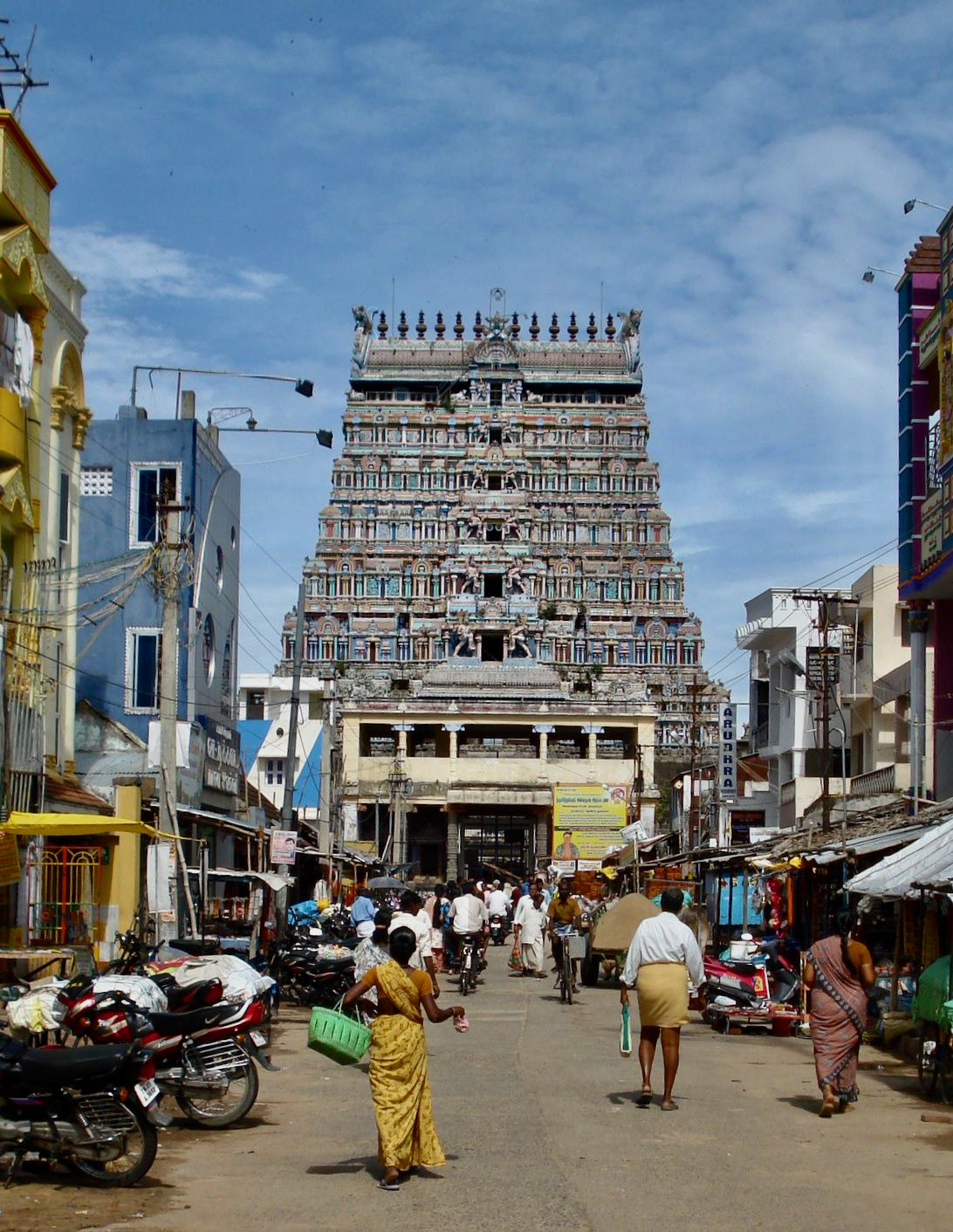
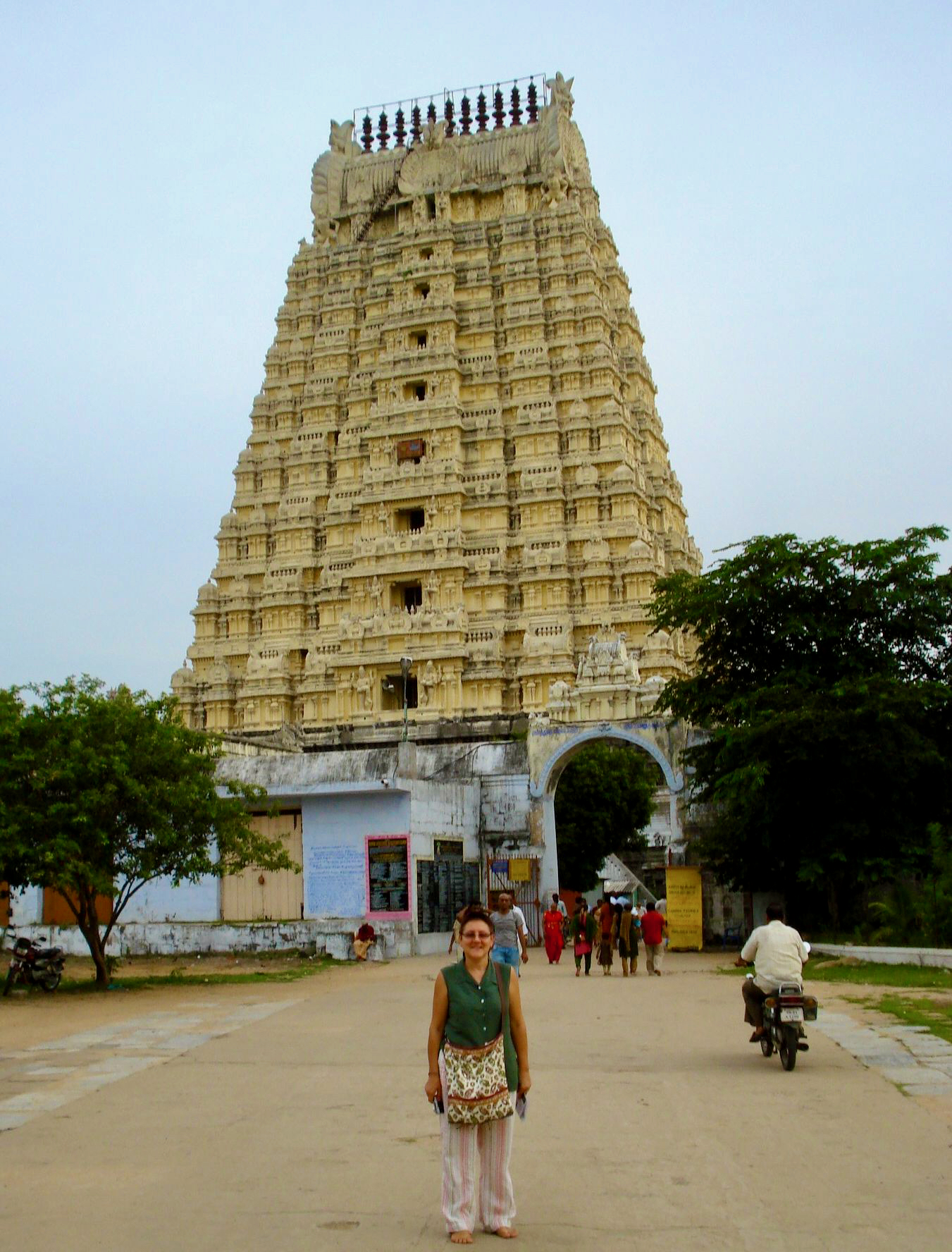
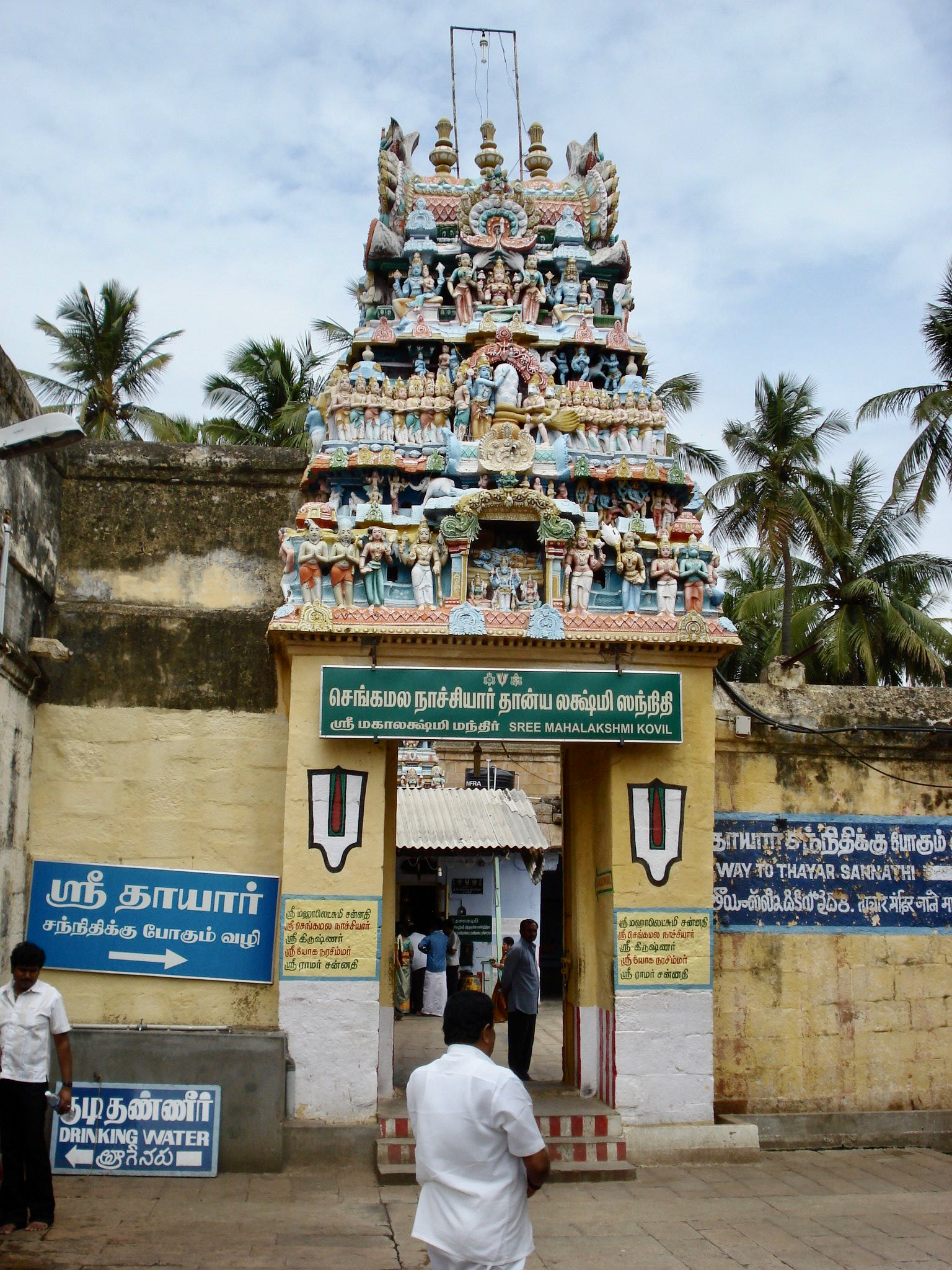
Camminando verso un monumentale gopuram (la porta/torre tipica dei templi dell’India Meridionale) ho spesso sentito crescere in me l’emozione di entrare in quella che è una vera città nella città, un recinto sacro che contiene più templi, più cortili, edifici e persino altri gopuram di dimensioni più ridotte. Nella progressione spaziale conseguente a questo passaggio, mi sentivo spinto a comprendere come ogni passo mi avvicinasse realmente alla contemplazione della divinità (darshan) e all’assorbimento, per me inavvertito ma reale per ogni indù, dei sui meravigliosi poteri.
La percezione di un’energia potente e per molti versi inafferrabile, è stata sempre forte durante la mia presenza in questi templi e passare sotto un gopuram, tanto colorato e decorato all’esterno quanto buio e cavernoso nei pochi metri che devi percorrere al di sotto della sua possente mole, è stato veramente esemplare di vivere “un fuori vs un dentro”.
As I walked towards the monumental gopuram, the typical gate and tower of South Indian temples, I felt an increasing sense of excitement at entering a city within a city: a sacred enclosure containing multiple temples, courtyards, buildings and smaller gopurams. As I progressed through this space, I felt compelled to understand how each step brought me closer to contemplating the deity (darshan) and absorbing its wonderful powers, unnoticed by me but real for every Hindu.
The perception of a powerful and elusive energy was always strong during my time in these temples. Passing under a gopuram, which is colourful and decorated on the outside but dark and cavernous within, truly exemplifies the experience of ‘outside versus inside’.
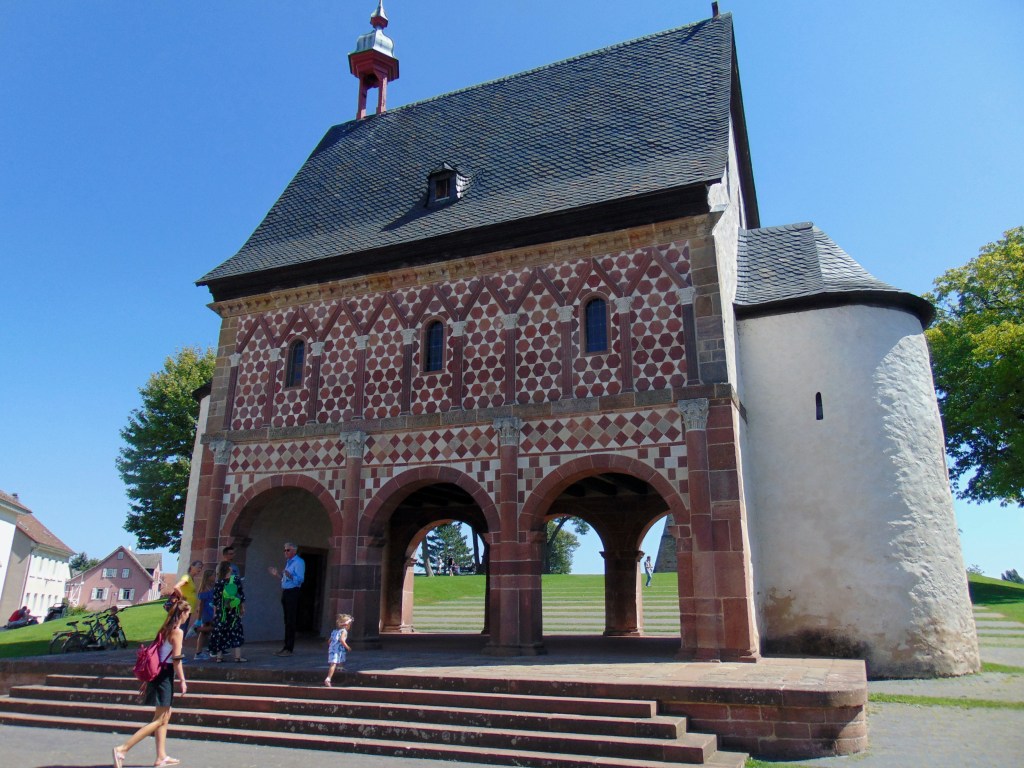
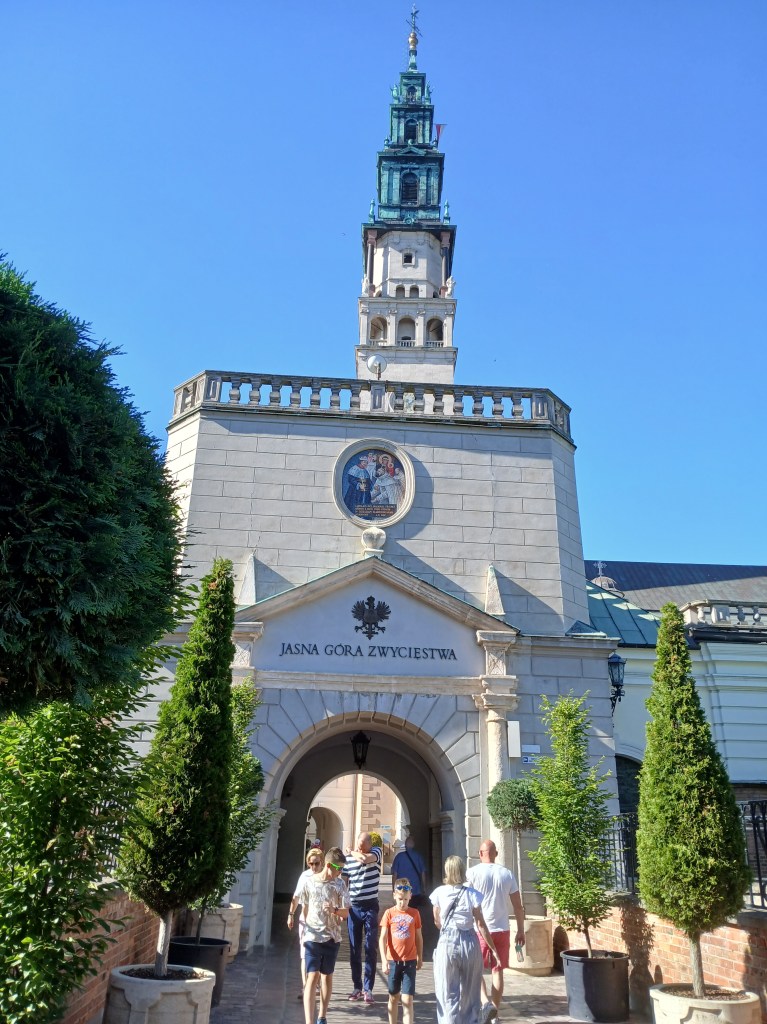
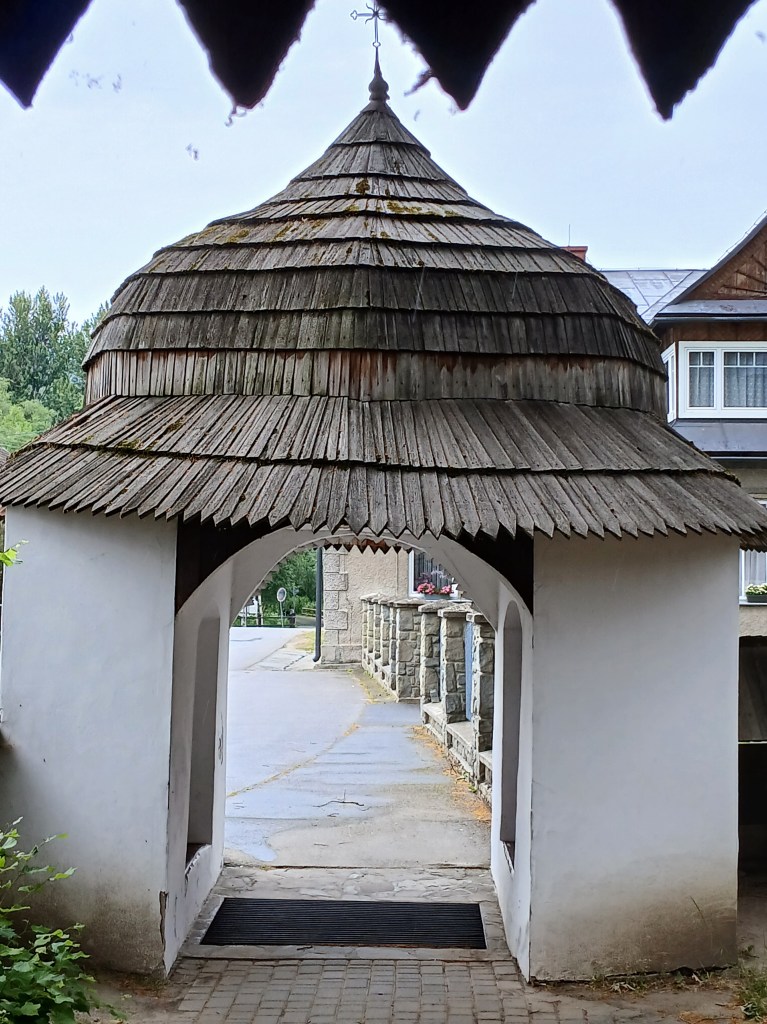
Spesso nelle chiese e nelle abbazie cristiane mi è capitato di varcare soglie cariche di simbolismo. La porta della cattedrale gotica racconta storie e si perde in ornamenti, quella delle antiche abbazie carolinge è al tempo stesso ingresso ed edificio (Torhalle dell’abbazia di Lörsch in Germania foto a sinistra), quella degli edifici barocchi si sminuisce per lasciar spazio allo stupore interno. Mi piace soprattutto passare le porte che introducono a recinti sacri come quella del Santuario di Czestochowa in Polonia (foto al centro). Qui l’effetto di astrazione dal contesto è certamente amplificato dalle costruzioni che nel corso dei secoli hanno trasformato il santuario in una fortezza della fede (in senso sia etimologico che simbolico) delimitando lo spazio in modo non dissimile da quanto avviene nelle città tempio indiane. Cammini, preghi, osservi sapendo di essere protetto e incluso nello spazio fisico e spirituale creato dalla presenza dell’immagine sacra, dalla devozione dei fedeli, dalle intercessioni, dalle emozioni affidate al luogo da ogni pellegrino. Esperienza che si può anche vivere, in tono minore e più intimo, entrando in una delle tante piccole chiese di montagna (nella foto a destra l’ingresso della chiesa in legno di Harklowa in Polonia), spesso circondate da recinto sacro e accessibili passando attraverso semplici porte, custodi di una diversità spaziale che talvolta include anche un camposanto.
I have often crossed thresholds laden with symbolism in Christian churches and abbeys. The door of a Gothic cathedral is adorned with intricate designs and tells stories, while the door of an ancient Carolingian abbey is both an entrance and part of the building itself (see the Torhalle of Lorsch Abbey in Germany in the photo on the left). In contrast, the door of a Baroque building pales in comparison to the wonders within. I especially like passing through doors that lead to sacred enclosures, such as the one at the Shrine of Czestochowa in Poland (centre photo). Here, the sense of abstraction from the outside world is certainly amplified by the buildings, which have transformed the shrine into a fortress of faith over the centuries (in both the etymological and symbolic senses), creating a space similar to that found in Indian temple cities. As you walk, pray and observe, you know that you are protected and included within the physical and spiritual space created by the presence of the sacred image, the devotion of the faithful, the intercessions and the emotions entrusted to the place by each pilgrim. A smaller, more intimate version of this experience can be enjoyed by entering one of the many small mountain churches (the photo on the right shows the entrance to the wooden church in Harklowa, Poland), which are often surrounded by a sacred enclosure and accessible through simple doors that guard a spatial diversity which sometimes includes a cemetery.
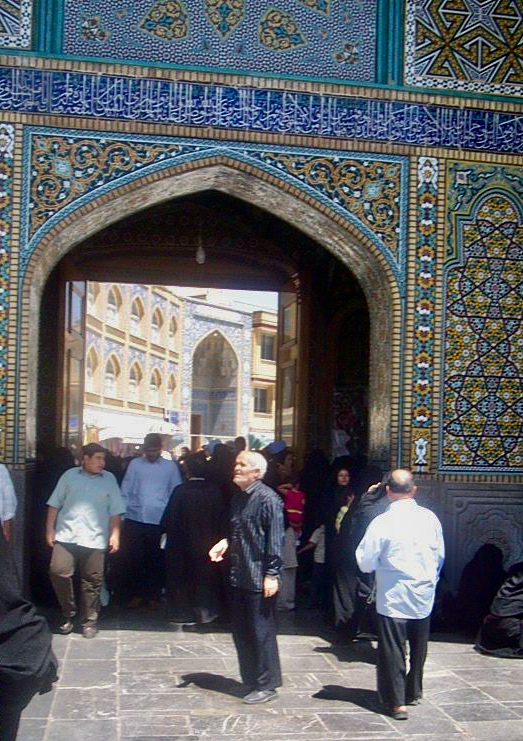
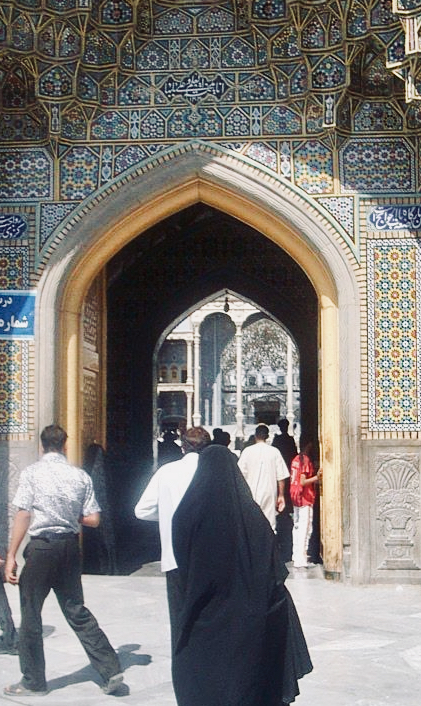
A dimostrazione di come il passaggio significhi mutamento e speranza per ogni tradizione religiosa mi piace ricordare come mi sentii davanti all’ingresso del grande santuario sciita di Qom in Iran quando l’accesso mi fu in un primo tempo precluso e fui costretto a osservare con attenzione e un pizzico di invidia l’incessante traffico di pellegrini che sfilava sotto la sua porta d’ingresso. Registravo come le espressioni e gli atteggiamenti del corpo proprie di chi vi entrava concentrato, con lo sguardo fisso e speranzoso fossero assai diverse da quelle dii chi ne usciva sorridente, appagato, pronto e ributtarsi con energia nuova nelle difficoltà della vita quotidiana. Quando poi, dopo lunga attesa, potei anch’io accedervi, nei momenti in cui il mio occhio non fu rapito dallo splendore della decorazione ceramica policroma, provai io stesso la sensazione (accentuata sicuramente dalla originaria esclusione) di partecipare a un evento emozionante, testimoniato dalle lacrime che vidi negli occhi di molti pellegrini.
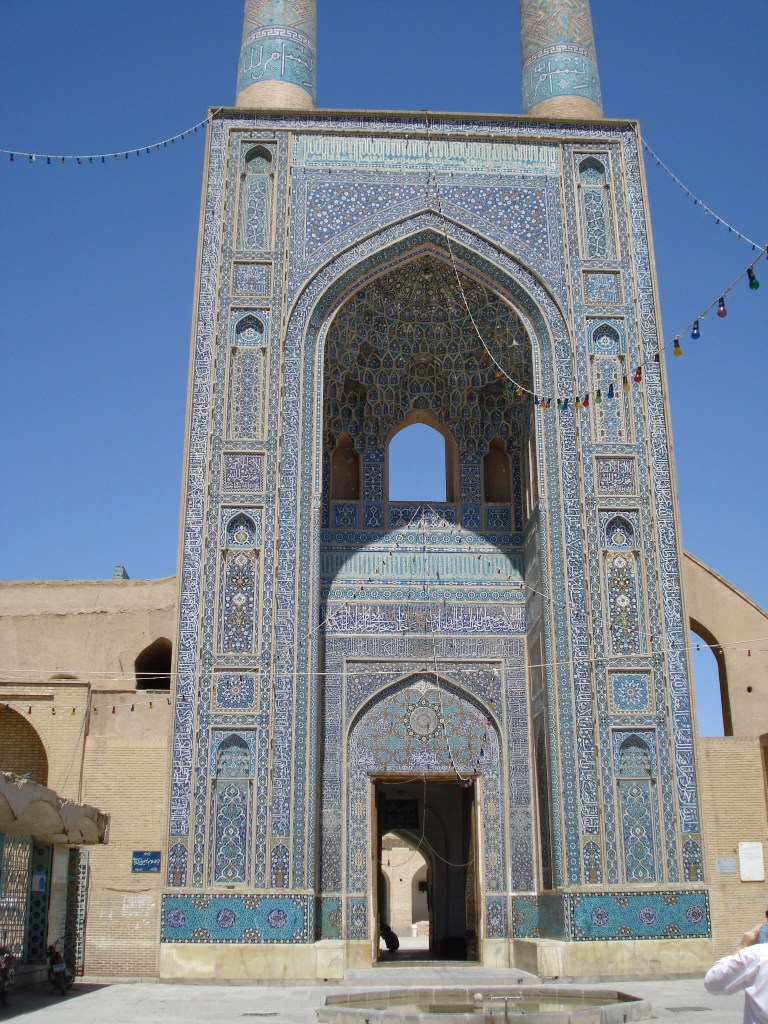
La porta d’ingresso alla moschea nella tradizione persiana (iwan) che si è diffusa fino all’India diventa un vero e proprio elemento a sè stante, un segno fisico e mirabolante di demarcazione come quella spettacolare e ardita della moschea di Yazd (foto a destra).
To illustrate how transition signifies change and hope for every religious tradition, I recall the feeling I had when I was initially denied access to the entrance of the great Shiite shrine in Qom, Iran. I had to watch the incessant stream of pilgrims passing under the entrance gate with attention and a touch of envy. The expressions and body language of those who entered, with fixed and hopeful gazes, were very different to those of those who came out smiling, satisfied and ready to face the challenges of everyday life with renewed vigour. When I was finally allowed in after a long wait, I experienced the sensation of participating in an emotional event, accentuated by my initial exclusion, when my gaze was not captivated by the splendour of the polychrome ceramic decoration. This was evidenced by the tears I saw in the eyes of many pilgrims.
In the Persian tradition, the entrance door to the mosque (the iwan) spreads as far as India and becomes a real element in its own right — a physical and astonishing sign of demarcation, as seen in the spectacular and daring example of the mosque in Yazd (see photo on the right).
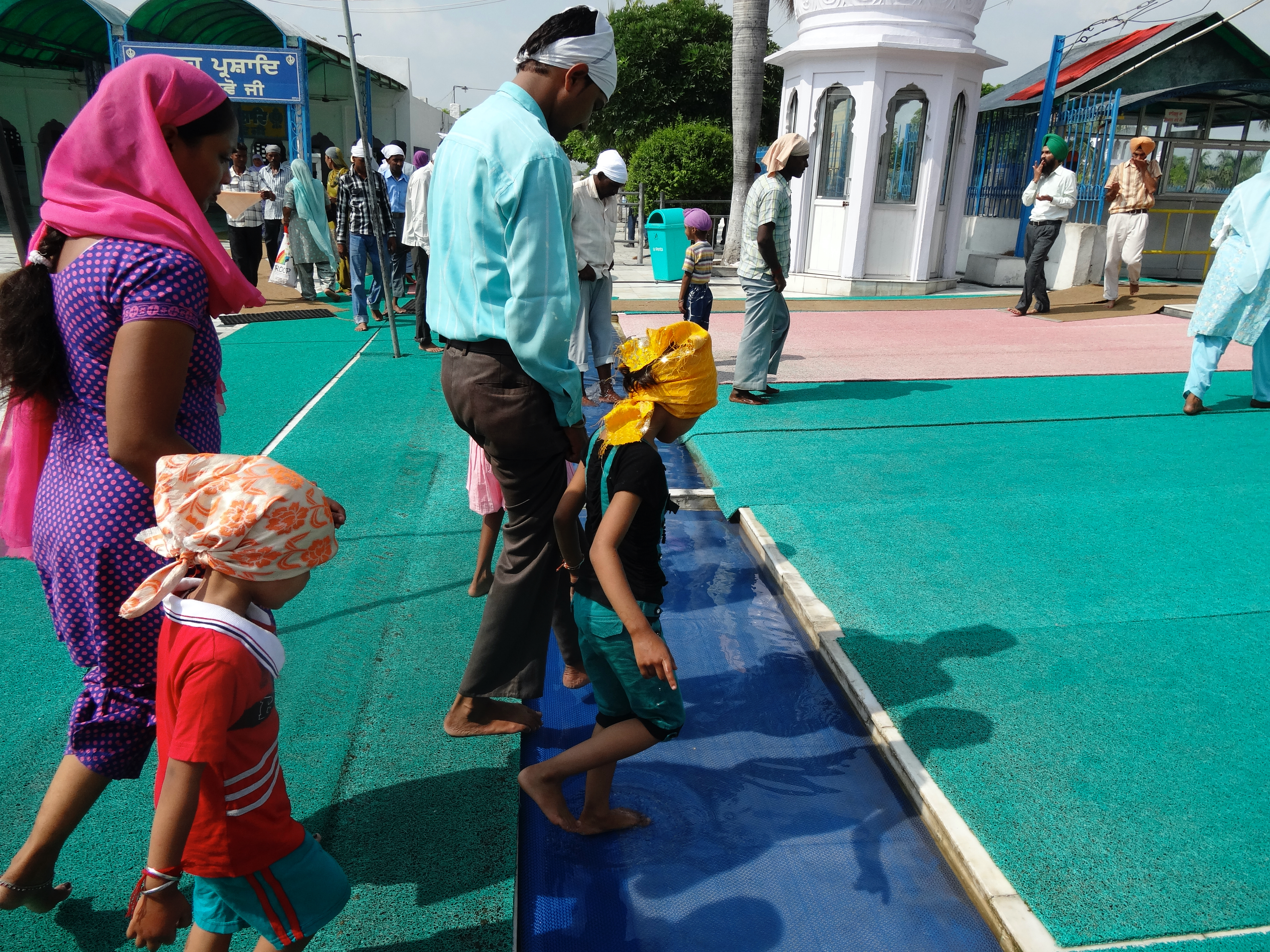
Ricordo benissimo il giorno in cui scoprii che per accedere a un gurudwara, il tempio della religione sikh, non bastasse oltrepassare una porta ma bisognasse anche attraversare a piedi nudi una vasca colma di acqua (la foto in basso a sinistra documenta il passaggio di una famiglia nel Gurudwara Shri Fatehgarh Sahib di Sirhind in Punjab).
Il lavaggio del piede crea una differenza evidente tra lo stato precedente, sporco, polveroso, accaldato e quello successivo, pulito, rinfrescato, tonificato. Questo passaggio si completa con quello che avviene tra luce e ombra, tra tocco del piede su di un pavimento lastricato o su uno di una pietra grezza, dalla percezione del silenzio ricco di aspettativa e l’ascolto appagante del canto tipico dei templi sikh.
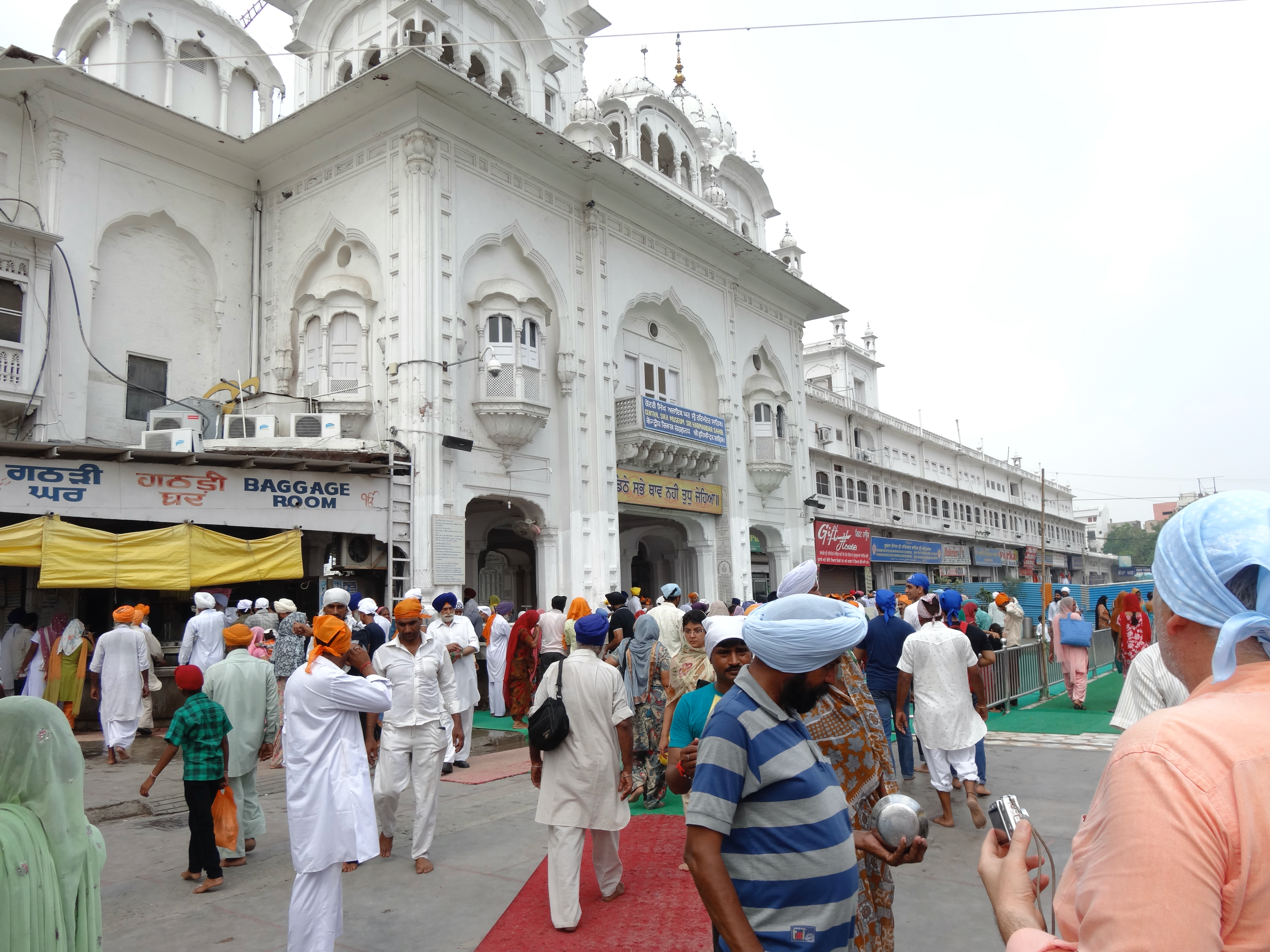
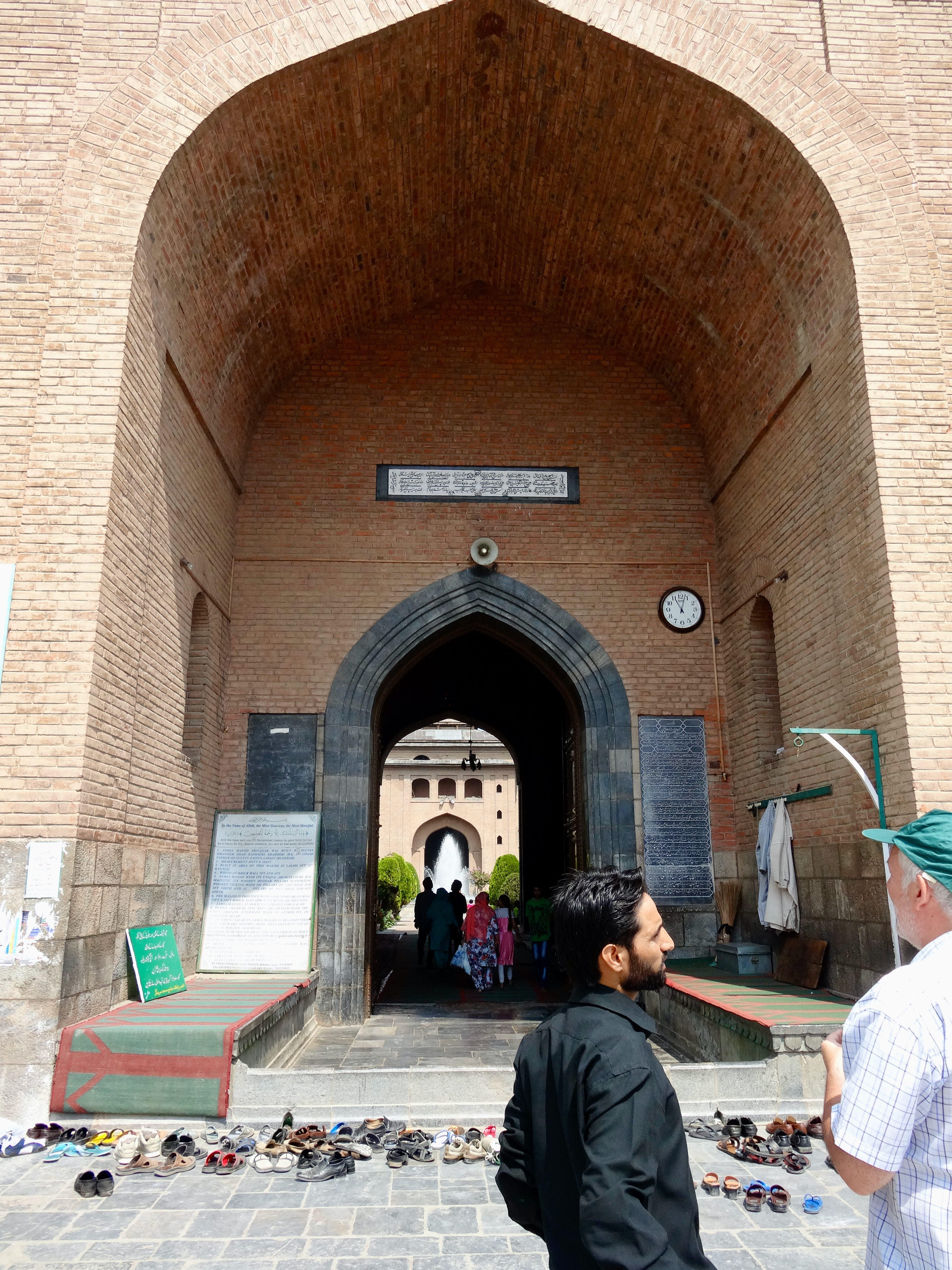
Una moltitudine di scarpe davanti a una porta, cosa consueta nei templi indù, nelle moschee (quella nella foto è a Srinagar nel Kashmir) e in alcuni templi buddisiti e jainisti, esprime visivamente il passaggio: abbandonando le scarpe, simbolo concreto di quella quotidianità che si esprime nel calpestare la terra, entri più leggero e consapevole nel luogo dove per qualche minuto, ora, giornata dovrai indirizzare il tuo pensiero e il tuo cuore verso obiettivi più alti.
I remember very well the day I discovered that, to enter a gurudwara (the temple of the Sikh religion), you had to walk barefoot through a pool of water as well as walk through a door (the photo below left shows a family crossing the pool at the Gurudwara Shri Fatehgarh Sahib in Sirhind, Punjab).
Washing your feet creates a clear distinction between your previous state — dirty, dusty and hot — and your subsequent state: clean, refreshed and invigorated. This transition is accentuated by the contrast between light and shadow, the sensation of touching a paved floor or rough stone, and the shift from a silent anticipation to the satisfying sound of the distinctive Sikh temple singing.
The sight of a multitude of shoes in front of a door is common in Hindu temples, mosques (the one in the photo is in Srinagar, Kashmir) and some Buddhist and Jain temples. Visually, it expresses the transition: by leaving your shoes behind — a concrete symbol of everyday life, expressed through walking on the earth — you enter the place more lightly and consciously, where you will direct your thoughts and heart towards higher goals for a few minutes, hours or days.
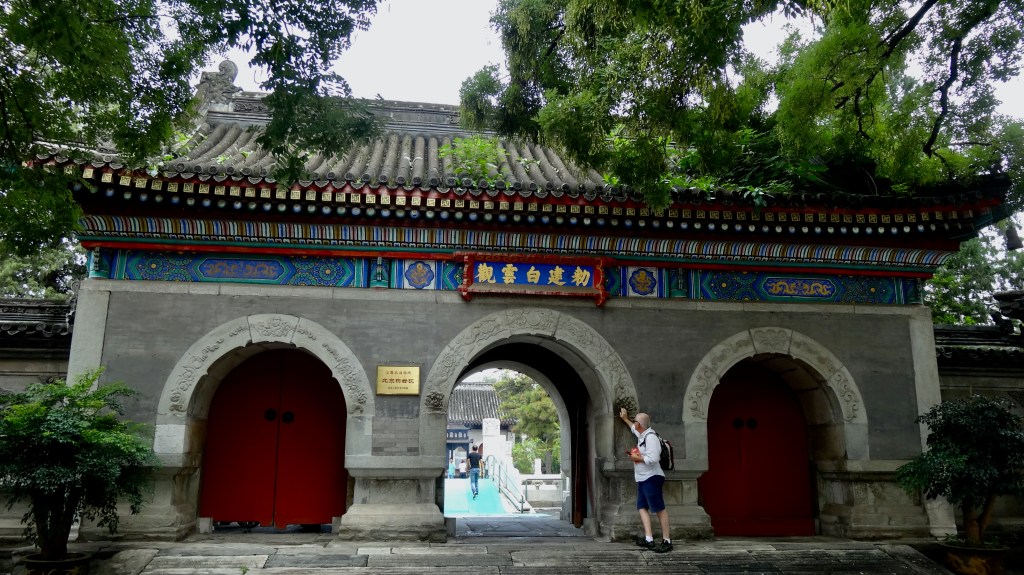
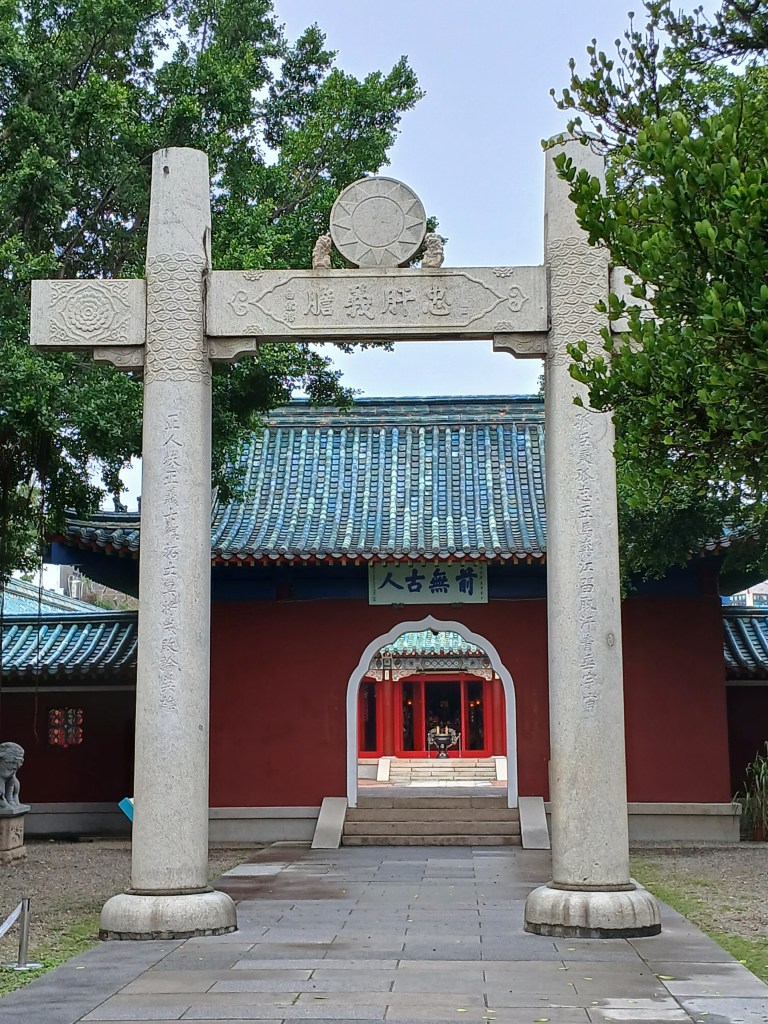
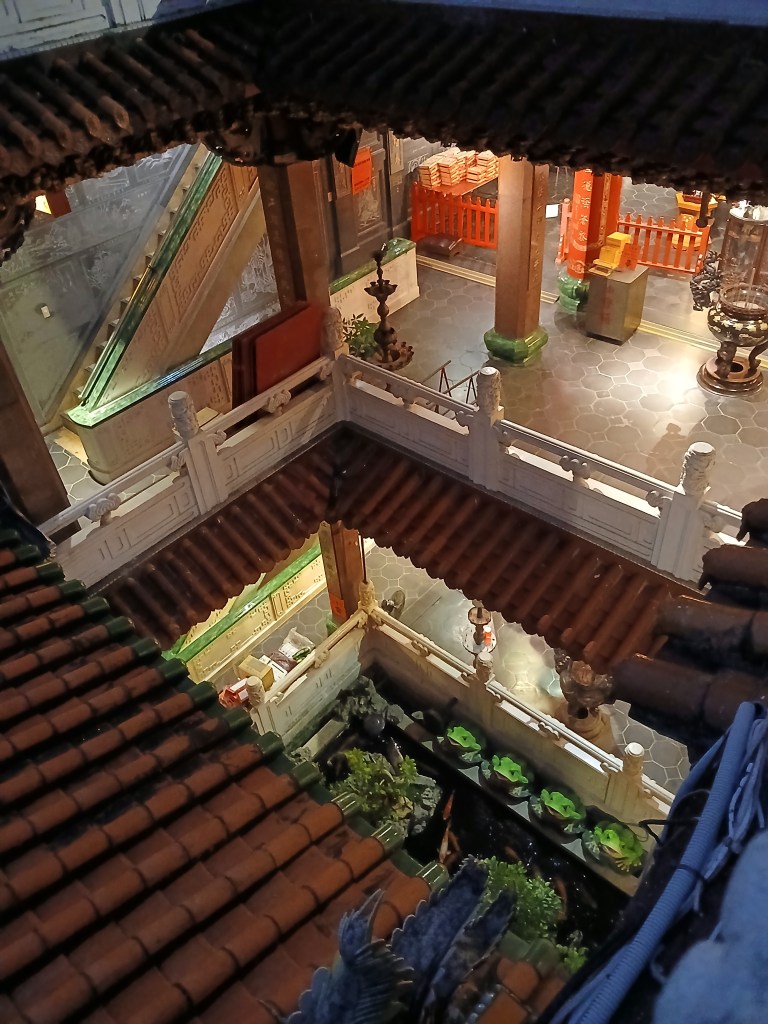
L’esperienza del passaggio può risultare persino divertente una volta che ci si sia assuefatti agli spazi dei templi cinesi. Qui gli edifici si trovano allineati su un asse verticale e la sequenza “porta, cortile con braciere, sala di preghiera con statue” si ripete per almeno tre volte creando una specie di climax spirituale e visivo. Nei tempi taoisti (Tempio della Nuvola Bianca a Pechino, foto a sinistra) le stanze si popolano di migliaia di presenze spesso misteriose, in quelli buddisti di figure ben riconoscibili e di dimensioni maggiori, in quelli confuciani di oggetti e strumenti rituali (Tempio di Confucio, Tainan, Taiwan, foto a destra). L’esperienza diventa però spiazzante in quelli misti, che sono i più diffusi specialmente nelle città e nei villaggi e che riuniscono in un solo colplesso tutte e tre le religioni cinesi. Qui talvolta, per mancanza di spazio, lo schema assiale si espande sorprendentemente verso l’alto, sostituendo le terrazze ai cortili, le scale ai passaggi, invitandoti ad andare sempre più in alto, quasi portato dal fumo degli incensi (Tempio Tianhou, Taipei, foto grande.
Once you get used to the layout of Chinese temples, passing through can be an enjoyable experience. Here, the buildings are aligned on a vertical axis, and the sequence of ‘door, courtyard with brazier, prayer hall with statues’ is repeated at least three times, creating a spiritual and visual climax. Taoist temples (such as the White Cloud Temple in Beijing, pictured on the left) contain rooms filled with thousands of often mysterious presences. Buddhist temples contain easily recognisable, larger figures, while Confucian temples contain ritual objects and instruments (such as the Confucius Temple in Tainan, Taiwan, pictured on the right). However, the experience can be unsettling in mixed temples, which are the most common, especially in cities and villages. These temples bring together all three Chinese religions in a single complex. Due to a lack of space, the axial layout of these temples sometimes expands upwards, replacing courtyards with terraces and passageways with staircases. This invites visitors to ascend higher and higher, almost as if they are being carried by the incense smoke (Tianhou Temple, Taipei, large photo).
All the photos by Maria Lecis/citypilgrimblog ©


Un commento