

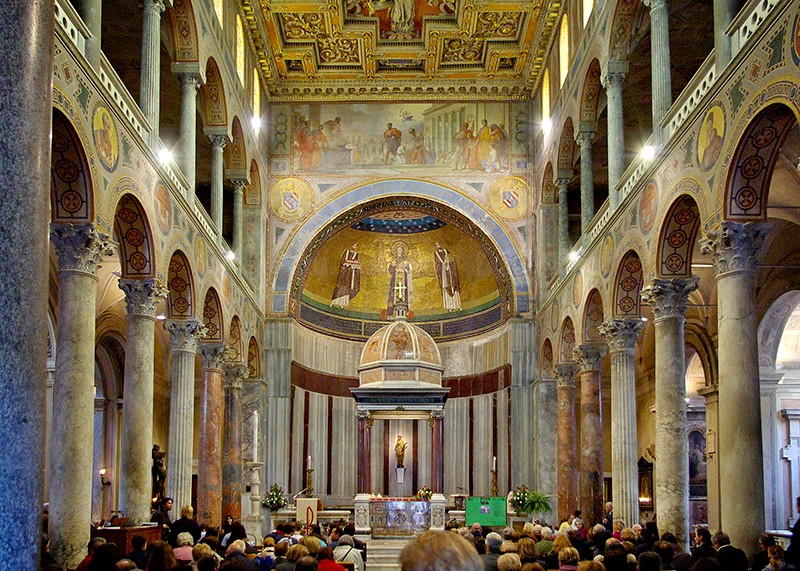
Canonico è un aggettivo ormai entrato a far parte del linguaggio comune: tutto ciò che si attiene scrupolosamente alle regole è canonico. Tutto quello che sfugge all’anomalia, segue un percorso prestabilito e si svolge in modo regolare è canonico perché si attiene a un canone, ovvero a una serie di norme stabilite e codificate.
Cos’è quindi un canonico regolare? Queso termine, usato per definire una particolare tipologia di religioso presente ancor oggi nella Chiesa Cattolica, potrebbe sembrare una tautologia perché canonico e regolare sono quasi sinonimi. In realtà la storia è molto più complessa…
Canonical is an adjective that has now become part of common parlance: anything that adheres scrupulously to the rules is canonical. All that avoids anomaly, that follows a fixed course, that unfolds in a regular manner that is canonical because it conforms to a canon, an established and codified set of rules. What is therefore a regular canon? This word, used to define a particular kind of cleric still present in the Catholic Church today, may sound like a tautology because canonical and regular are nearly synonymous but he story is much more complex…

Canonici e monaci
L’esperienza canonicale è un’esperienza fondamentale nella Chiesa del medioevo dove il canonico è originariamente un sacerdote, in genere legato a una cattedrale, che osserva i canoni (ovvero l’insieme di norme che regolano la vita clericale). Si trattava quindi di una figura molto importante per il corretto funzionamento della vita religiosa, sia dal punto di vista spirituale sia da quello funzionale e per questo l‘ordo canonicorum contese all‘ordo monasticus il primato della vita ideale.
Mentre i monaci si ritiravano dal mondo per pregare Dio, liberi da ogni legame che non fosse quello con la propria abbazia, i canonici si ritrovavano a condurre vita comunitaria nei capitoli delle cattedrali dove celebravano l’Ufficio Divino in modo comunitario.
Canonical experience is a seminal experience in the Church of the Middle Ages where the canon is he who observes the canons ( i.e., the set of rules governing clerical life) and
the ordo canonicorum disputes the primacy of the ideal life with the ordo monasticus.
While monks withdrew from the world to pray to God, free from any connection other than to their own abbey, canons gathered to lead a community life in cathedral chapters where they celebrated the Divine Office in a communal manner.
Agostino come maestro di vita
La prima organizzazione dei canonici risale all’epoca carolingia quando lo scopo principale dei legislatori di Aquisgrana era proprio quello di fare ordine tra modo di vivere dei canonici e quello dei monaci. La vita dei canonici era essenzialmente comunitaria ma si svolgeva nelle cattedrali, dove esitevano i “capitoli” composti da sacerdoti che agivano all’ordine del vescovo. Per questo la regola adottata non poteva che essere che quella di Agostino, che, una volta eletto vescovo di Ippona, aveva creato attorno al suo episcopio una comunità di chierici votati a una vita di preghiera, studio e carità reciproca.
Tuttavia, malgrado questo legame storico e ideale, non si può certo affermare che i canonici cegolari, così come si vennero a delineare in epoca medievale, fossero solo una diretta emanazione del pensiero agostiniano.
The earliest organization of the canons dates back to the Carolingian era when the main purpose of the Aachen legislators was to bring order between the canons’ way of life and that of the monks. The canons’ life was also essentially communitarian but it took place in the cathedrals, particularly in the “chapters,” the ensemble of priests acting there under the bishop’s authority. Hence the rule adopted could only be the rule of Augustine, who, once elected bishop of Hippo, created a community of clerics around his episcope devoted to a life of prayer, study and mutual charity.
However, despite this historical and ideal link, the Canons Regular, as they emerged in medieval times, certainly cannot be said as a direct offspring of Augustinian thought.
Canonici agostiniani o frati agostiniani?
Sebbene l’influenza del pensiero di Agostino fosse fortissima i canonici regolari erano piuttosto da considerarsi come la risposta, molto variegata nello spazio e nel tempo, a una diffusa esigenza di rinnovamento che toccò quasi contemporaneamente diverse sedi episcopali.
Nel corso dell’XI secolo, in un’epoca di grandi riforme e slanci spirituali, si formarono ovunque delle comunità desiderose di vivere secondo i principi evangelici in cui il legame con la figura storica di Sant’Agostino fu sempre molto forte. Questo portò alcuni canonici ad assumere posizioni molto polemiche nei confronti degli Agostiniani, un ordine mendicante sorto nel XIII secolo anch’esso ispirato alla vita e alle opere del santo africano. Come detto Agostino aveva imposto ai suoi chierici i voti di obbedienza castità e povertà e la vita di questa comunità canonicali era ispirata alla carità fraterna, concetto essenziale per la spiritualità agostiniana che si adattava sia ai canonici agostiniani che ai frati agostiniani.
While the influence of Augustine’s thought is very strong the Canons Regular are the response, widely diversified in space and time, to a widespread need affecting several episcopal sees practically at the same time.
During the 11th century, in a time of great reforms and spiritual impulses, communities eager to live according to Gospel values emerged everywhere. Although he cannot be considered as their founder, but rather as an ideal father, the link with the historical figure of St. Augustine is always very strong, and this leads some canons to assume very controversial positions toward the Augustinians, a mendicant order founded in the 13th century also inspired by the life and works of the African saint. Augustine imposed vows of obedience, chastity and poverty to his clerics, and the life of this community was not so much inspired by ‘monastic austerity as it was by fraternal charity, a core concept of Augustinian spirituality that fits both Augustinian canons and Augustinian friars.
La prima regola
La prima regola riguardante l’ordo canonicus, modellata sulle regole monastiche, venne dunque composta da San Crodegango di Metz (742-766) e fu accolta accolta da vari capitoli.
Ludovico il Pio, nel suo piano di riorganizzazione della vita religiosa, nel corso del sinodo di Aquisgrana del 816, dettò nuove regole di vita canonicale, ispirandosi non solo alle precedenti regole e agli scritti di Agostino, ma anche a quelli di Gerolamo, Giuliano Pomerio, Gregorio e Isidoro di Siviglia e basandosi soprattutto sull’esempio ideale della comunità di Gerusalemme.
The first rule concerning the ordo canonicus composed by St. Crodegrang of Metz (742-766), is accepted by several chapters and is shaped on monastic rules but it is Ludwig the Pious, in his reorganization plan for religious life, at the synod of Aachen in 816, to establish new rules of canonical life, taking inspiration not only from the writings of Augustine, but also from those of Jerome, Julian Pomerius, Gregory and Isidore of Seville, and above all from the perfect example of the Jerusalem community.
Canonici secolari e canonici regolari
Nel Concilio Lateranense del 1059, vennero stabiliti i principi della nuova organizzazione canonicale, in particolare quelli relativi alla proprietà privata e alla possibilità di consumare cibi e bevande. Proprio nella disputa derivata dal rinunciare o meno a questi privilegi avvenne una vera e propria spaccatura tra i canonici fedeli agli antichi precetti e quelli ispirati invece da sentimenti di riforma; è da questo momento che si iniziano quindi a distinguere i canonici “saeculares” dai canonici “regulares” che professano la povertà vissuta in comune e la castità (cosa non così scontata all’epoca).
During the Lateran Council of 1059, the rules of the new canonical organization were established, especially those relating to private property and the possibility of eating and drinking. It was precisely on the renunciation of these privileges that a real split took place between canons faithful to the ancient precepts and those inspired by reform sentiments instead, and it is from this moment that the distinction between canons “saeculares” and canons “regulares” professing common-living poorness and chastity ( not so obvious at the time) began to be made.
Ricostruire la Chiesa primitiva
I canonici regolari si dimostrarono fin dai primi anni successivi alla riforma una forza dinamica che abbinava alcune virtù della vita monastica alla dipendenza stretta dalla gerarchia religiosa, cosa non secondaria in secoli di dispute tra potere vescovile e potere secolare.
Insegnare e predicare: con questi due imperativi i canonici regolari si posero al servizio della ricostruzione della “ecclesiae primitivae forma” (la chiesa delle origini), anche se tra le occupazioni canonicali figuravano anche attività più pratiche come l’ospitalità, esercitata in particolare dai canonici ospitalieri che controllavano gli ospizi sui grandi percorsi di pellegrinaggio e commercio.
Canons regular prove to be a dynamic power combining some virtues of monastic life with strict dependence from the religious hierarchy which was not incidental in the centuries of contention between episcopal and secular power.
Teaching and preaching: through these two emblems canons regular placed themselves as servants in the rebuilding of the “ecclesiae primitivae forma” (the Church of the origins), although canonical occupations also included more practical activities such as hospitality, particularly practiced by the Hospitaller canons who supervised hospices on the great commerccial or pilgrimages routes.
Vita contemplativa e dimensione attiva
Caratteristica principale delle congregazioni canonicali è quindi la presenza in contemporanea di vita contemplativa e dimensione attiva che si esprime nella cura delle delle parrocchie a essi affidate, in attività culturali, nella cura di aziende agricole (famosi i canonici viticoltori del Tirolo e i canonici birrai del Belgio) e nell’attività missionaria.
Main feature of canonical congregations is consequently a simultaneous contemplative life and working life dimension, expressed through also in the care of the parishes entrusted to them. The canons have traditionally also been involved in cultural activities and farms ( the winemakers canons of Tyrol and the brewers canons of Belgium are famous) and engaged in missionary work.
Le principali congregazioni
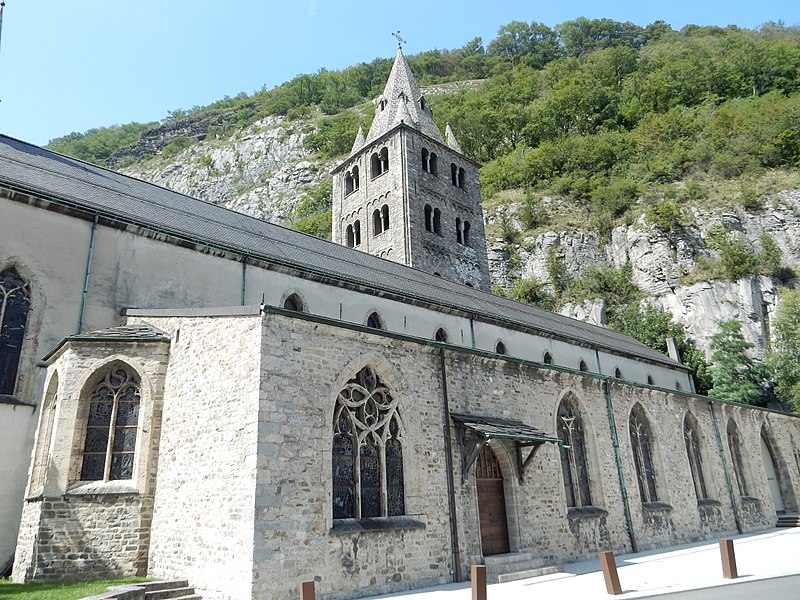
Le principali famiglie di canonici regolari sono: la Congregazione del Salvatore o Lateranense, la più antica; la Congregazione Austriaca, costituita nel 1907 su modello di una congregazione monastica di cui le abbazie di Sankt Florian e Klosterneuburg sono i principali centri (in Italia appartiene alla congregazione austriaca la grande abbazia di Novacella in Alto Adige); la Congregazione del Gran San Bernardo, nata come assistenza ospedaliera per i pellegrini che passavano l’omonimo valico alpino e trasformatasi poi anche in un organismo parrocchiale in Svizzera e missionario in Cina; la Congregazione di San Maurizio d’Agaune che ha un’unica casa di antichissima tradizione. La congregazione francese di San Vittore fu invece soppressa durante la Rivoluzione ma è famosa per aver espresso nel XIII secolo una importante scuola di pensiero di indole speculativa che si poneva alla ricerca della verità partendo da un dato oggettivo, chiamata scuola dei “Vittorini” di cui Ugo e Riccardo di San Vittore furono i principali esponenti. Anche la Congregazione olandese di Windesheim, soppressa nei primi anni del XX secolo, era famosa per la sua scuola di spiritualità che predicava invece l’ascetismo pratico unito a una mistica assai elevata e alla meditazione della vita di Cristo basata su uno schema che esplorava le facoltà interiori di ciascuno e che sarebbe stata qualche decennio più tardi alla base del pensiero di Ignazio da Loyola, il fondatore dei gesuiti.
La principale congregazione di canonici regolari ancora esistente è però quella dei Premostratensi, diffusa soprattutto nel Benelux e nei paesi di lingua tedesca a cui dedicherò prossimamente un capitolo.
Today’s main families of canons regular are the Congregation of the Savior or Lateran; the Austrian Congregation, established in 1907 on the model of a monastic congregation of which the abbeys of Sankt Florian and Klosterneuburg are the main centers (in Italy, the large abbey of Novacella in South Tyrol belongs to the Austrian congregation); the Congregation of Great St. Bernard, which started as a hospitaller care for pilgrims crossing the mountain pass of the same name and later became a parish organization in Switzerland and a missionary in China; the Congregation of St. Maurice d’Agaune, which has a single house of very ancient tradition. The French congregation of St. Victor that was suppressed during the Revolution but is famous for expressing in the 13th century a school of philosophy, the ” Victorites,” of which Hugh and Richard of St. Victor were the main exponents, which was speculative in nature and set out to pursue truth from an objective datum. The Dutch congregation of Windesheim, which was suppressed in the early part of the century, was also famous for its school of spirituality that preached practical asceticism combined with a very high mysticism and meditation on the life of Christ based on a scheme that explored the inner faculties that would be the basis of the later work of Ignatius of Loyola.
The main congregation of canons regular still in existence, however, is that of the Premonstratensians, which is widespread mainly in the Benelux.
Chi sono i Camaldolesi? The Camaldolese Benedictine monks: who are They?
Chi sono i benedettini? (prima parte). Who are the Benedictine Monks monks? (part. 1)
 The City Pilgrim
4 commenti