

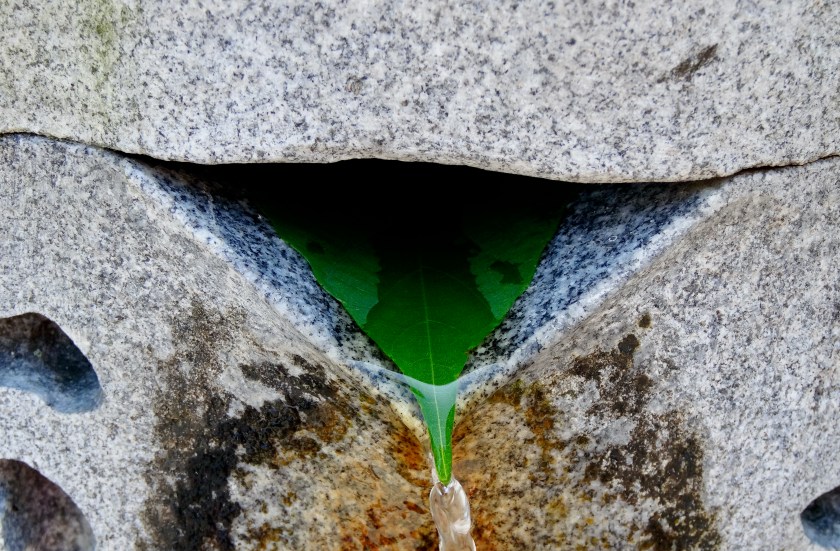
Il picchiettare della pioggia, il canto di una fontana, il ruggito di una cascata, il ritmico infrangersi delle onde: l’acqua ci parla in molti modi che noi spesso non sappiamo, vogliamo, riusciamo ad ascoltare. Eppure nel ritmo di una goccia o nel fragore di un maroso sono nascoste energia, potenza, vita.
Nell’ascolto dell’acqua si fortifica lo spirito!
The tapping of the rain, the fountain’s song, the roar of a waterfall, the rhythmic breaking of waves: water speaks to us in many ways that we often are unable, unwilling, to hear. Yet in the rhythm of a drop or in the roar of the waves are hidden energy, power, and life.
A spirit is strengthened by listening to water!
“Folate di vento
nella pioggia d’autunno;
precipita l’acqua,
dagli scogli a fiotti si sparge.
Balzano l’onde capricciosamente
l’una sull’altra in fuga;
l’airone bianco
spaurito ridiscende.
La voce del ruscello
suona fino all’ultima baia.”
da Il ruscello alla casa dei Luan
(Wang Pei e P’ei Ti, Poesie del fiume Wang, trad. Matin Benedikter. Einaudi 1956)
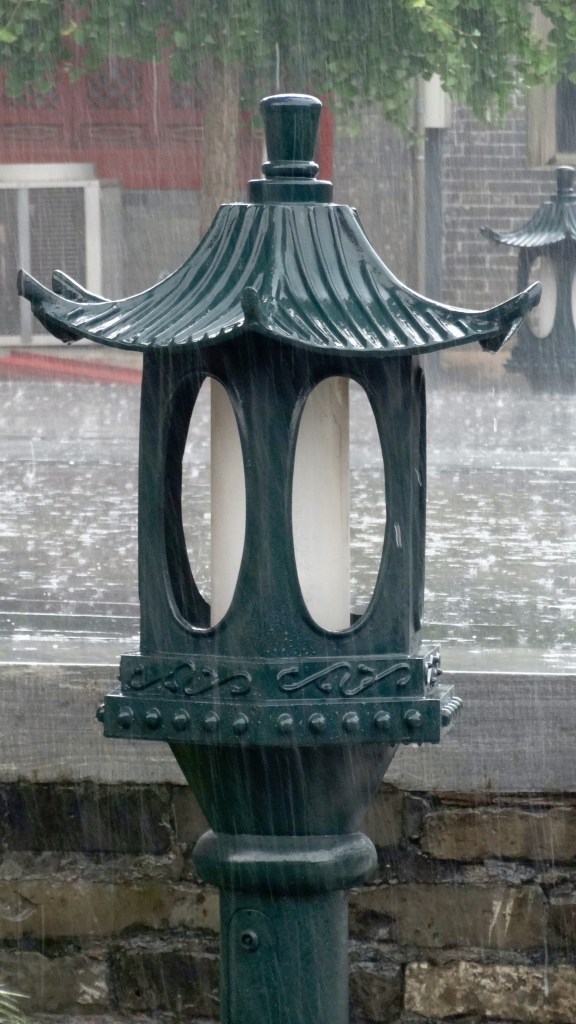
In certi giardini della Cina esistono luoghi incantati che hanno il nome di “Padiglione per ascoltare la pioggia”. Nel nostro mondo frenetico, dominato dallo sfruttamento dell’attimo, dalla necessità di utilizzare ogni momento per produrre qualcosa, sia anche una visita o un ricordo di viaggio, questo concetto di “ascoltare la pioggia” appare quanto mai incomprensibile perché esso implica un arresto, una fermata obbligatoria, una generica scocciatura.
Eppure ascoltare la pioggia ha un effetto calmante e può garantire l’accesso a una dimensione quanto mai contemplativa.
Non è necessario disporre di un apposito padiglione, lusso riservato ad antichi mandarini amanti del bello, ma è sicuramente necessario disporre di tempo!
Quando un temporale mi sorprese nel tempio del Dagoba Bianco a Beijing mi fermai sotto a un portico a osservare le gocce che cadevano violente sul lastricato del tempio. Potevo permettermelo, è vero, ma io stesso avevo governato il mio tempo in modo da potermi regalare anche una pausa imprevista che però fu talmente ricca di sensazioni da diventare un racconto (Questione di karma) del nostro libro sullo Spirito di Pechino.
Questa possibilità dovrebbe essere presa in considerazione da chi viaggia in paesi monsonici, magari rinunciando a una visita programmata, ma concedendosi il “lusso” di sedersi e osservare (che, come forse sapete è una mia ossessione, vedi il link) la pioggia!
Enchanted places exist in certain gardens in China named ‘Pavilion for Hearing the Rain’. Well, in our frenetic world, ruled by the exploitation of the moment, by the need to use every instant to produce something, whether it be a visit or a travel souvenir, this idea of ” hearing the rain” appears as incomprehensible as ever because it implies a pause, an obligatory stop, a generic nuisance.
Nevertheless, listening to the rain has a sedating effect and can provide access to a very contemplative dimension.
You do not need a special pavilion, being a luxury reserved for ancient beauty-loving mandarins, but you definitely need to have time!
When a thunderstorm caught me in the White Dagoba temple in Beijing, I stopped under a porch to watch the drops falling heavily on the temple pavement. I could afford it, it is true, but I had managed my time so that I could also indulge in an unexpected pause that was so rich in sensations that it became a story (Matter of Karma) in our book on the Spirit of Beijing.
This option must be considered by travelers in monsoon countries, perhaps foregoing a planned visit, but allowing themselves the ‘luxury’ of sitting and watching (which, as you may know, is an obsession of mine, see link) the rain!
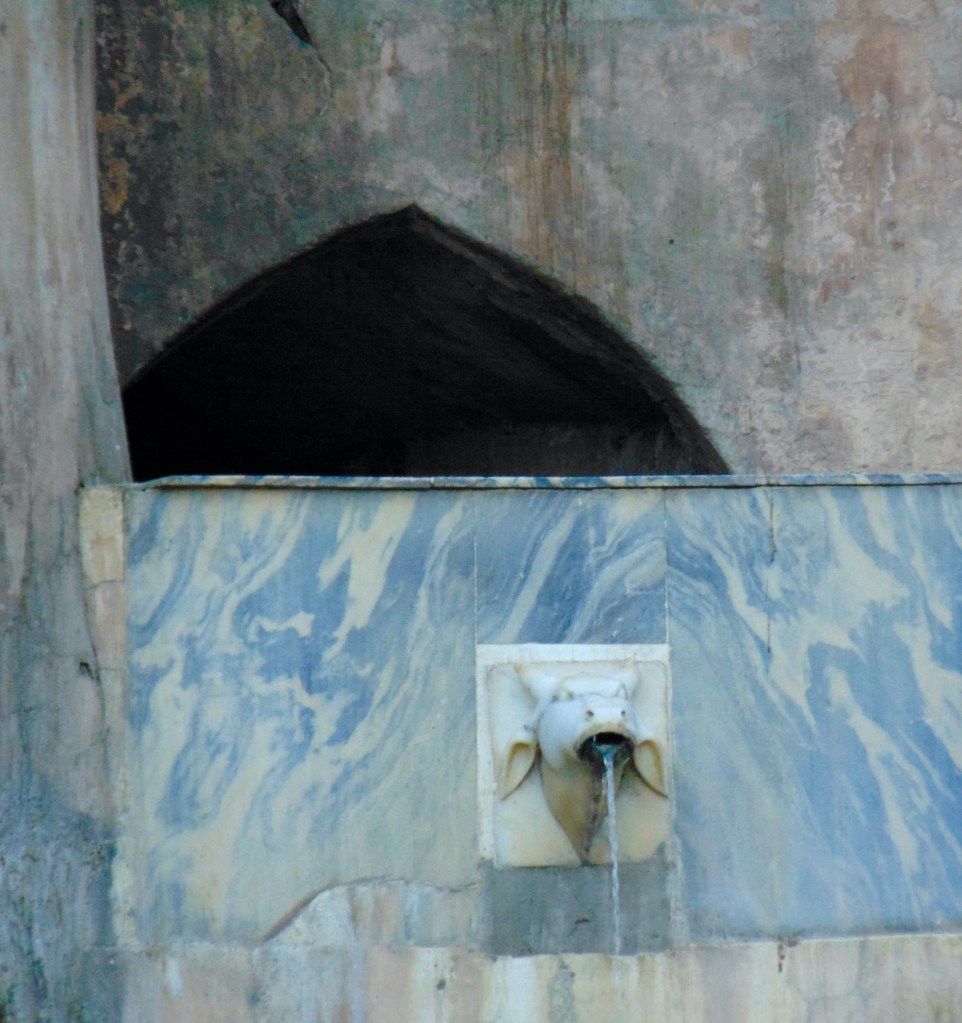
Anche ascoltare il suono dell’acqua che esce da una fontana (ancor meglio se plasmata come un animale come quella del tempio di Galtaji nel Rajasthan in India) produce benevoli effetti: c’è un flusso costante e pulito, uno scorrere discreto e vitale che trasmette al tempo stesso energia e purificazione. Bere da una fontana, che si trovi in una remota valle o nella piazza di una città in un assolato giorno d’estate, è uno dei gesti propri del pellegrino e del viandante, un gesto nobile, spesso annunciato dal suono dell’acqua che cade nella vasca, richiamando il passante come una sirena irresistibile.
Hearing the sound of water flowing out from a fountain (even better if it is shaped like an animal like the one in the temple of Galtaji in Rajasthan, India) also produces pleasant effects: there is a steady, clean flow, a gentle, vital running transmitting both energy and purification. Drinking from a fountain, whether in a remote valley or in a city square on a sunny summer’s day, is a gesture peculiar to the pilgrim and the wanderer, a noble action, frequently heralded by the sound of water falling into the basin, attracting the traveler like an irresistible siren.
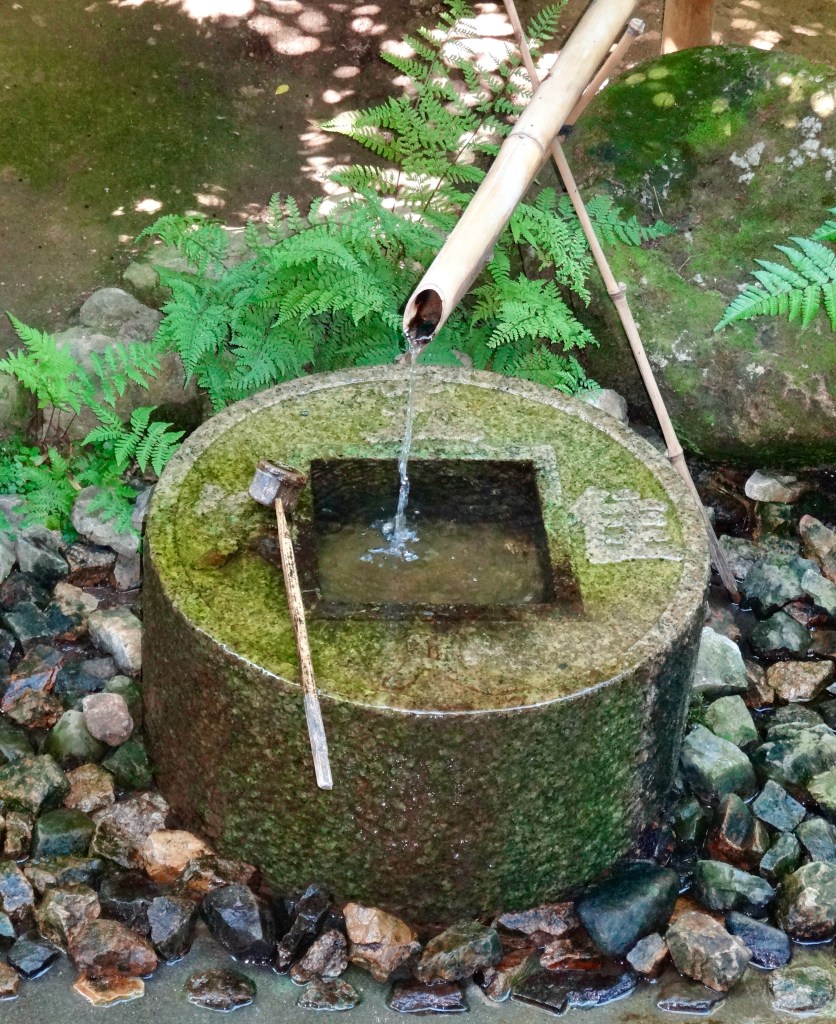
In Giappone, dove tutto si raffina e si estremizza in situazioni simboliche, il suono dell’acqua diviene impercettibile, sgorgando da una canna di bambù in modo leggero per essere raccolta nel piccolo ed elegante mestolo che si trova in ogni tempio. Si potrebbe stare ore ad ascoltare il ritmico cadere della goccia (che può essere ancor più rarefatto come si vede nella foto di copertina), magari osservando il muschio, i sassi, la vegetazione… tutto apparentemente casuale, tutto pensato per dar pace e tranquillità allo spirito di chi osserva.
In Japan, where everything becomes sophisticated and symbolic, the sound of water becomes undetectable, gently gushing from a bamboo cane to be collected in the small, elegant ladle you find in every temple. You could spend hours listening to the rhythmic falling of the drop (which can be even more rarefied as seen in the cover photo), perhaps observing the moss, the pebbles, the greenery… all apparently random, all planned to give peace and tranquillity to the observer’s spirit,
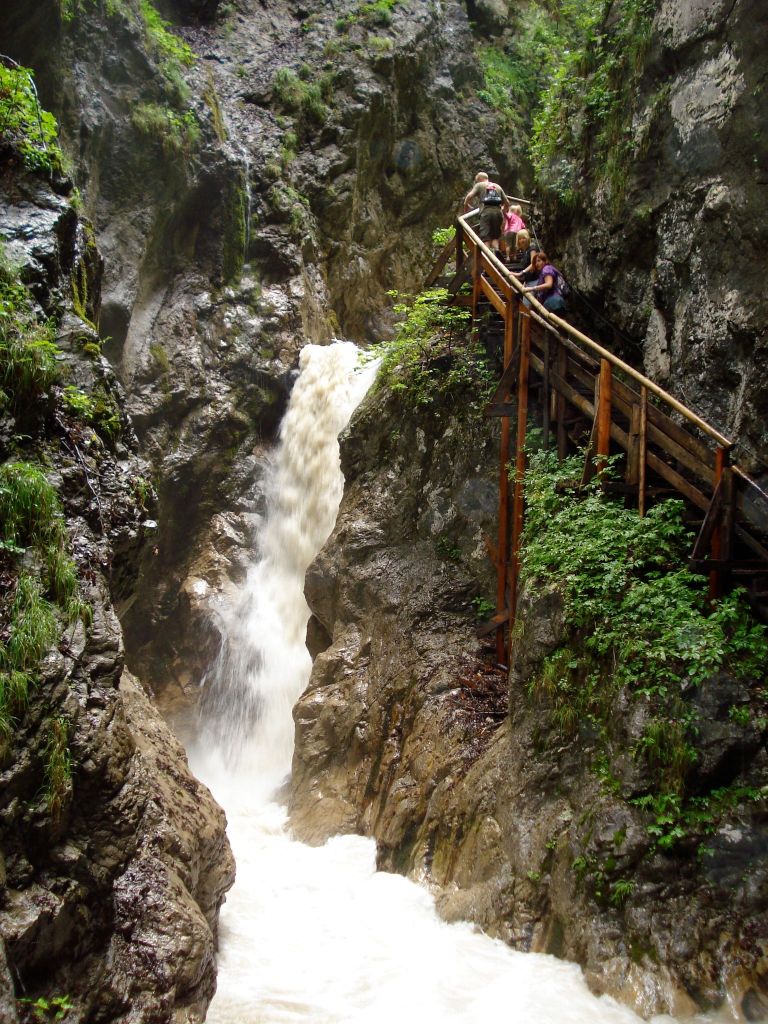
Ma trovo benefiche sensazioni anche ascoltando l’impetuoso e potente scorrere dell’acqua in una gola alpina, come accadde nella indimenticabile salita verso la Wolfsklamm, la Gola del Lupo, che da Stans, in Tirolo, conduce al santuario di sankt Georgenberg.
Qui il suono non è rassicurante, non è distaccato, può essere persino pauroso e minaccioso ma mentre si risale la gola, accompagnati dai balzi dell’acqua tra massi e spuntoni rocciosi lo spirito non può che essere corroborato. È questa una sensazione potentemente romantica.
Salire nel bosco è un atto intrinsecamente legato a un concetto di elevazione. Farlo accompagnati dal suono impetuoso di una cascata può portare a emozioni intense e irripetibili.
But I also find healing sensations listening to the mighty rushing of water in an alpine gorge, as I did on the unforgettable ascent to the Wolfsklamm, the Wolf Gorge, which leads from Stans in the Tyrol to the sanctuary of Sankt Georgenberg.
Here, the sound is not comforting, it is not detached, and it can even be frightening and threatening, but as you ascend the gorge, accompanied by the water leaping between boulders and rocky outcrops, your spirit cannot but be invigorated. This is a powerfully romantic feeling.
Climbing up into the forest is an act inherently linked to the concept of elevation. Hiking it with the rushing sound of a waterfall can lead to powerful and unique emotions.
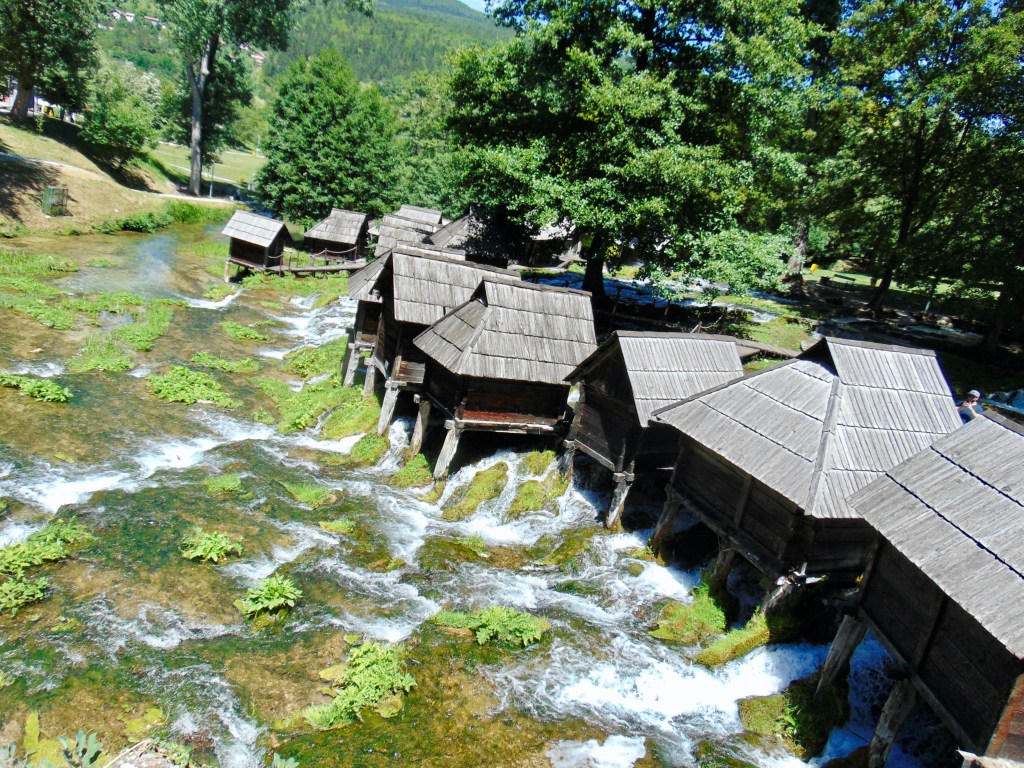
Certamente una cascata di montagna può anche spaventare perché la sua percezione energetica è legata al concetto di fatica che non sempre si vuole o si può affrontare. Ecco allora che cento piccole cascate, che passano sotto palafitte di legno come i Mlinčići nei pressi di Jaice in Bosnia Erzegovina, possono svolgere lo stesso ruolo permettendoti però di startene seduto all’ombra ascoltando (quando non vi sono troppi turisti) il suono leggero e costante dei rivoli d’acqua che scorrono tra l’erba, si infrangono contro gli antichi pali di sostegno delle palafitte e si raggruppano poi in un tranquillo torrente che più a valle genererà una possente cascata.
Obviously, a mountain waterfall can also be intimidating because its energetic character is linked to the concept of effort that you may not always want or be able to deal with. Hundreds of small waterfalls, passing under wooden piles such as the Mlinčići near Jaice in Bosnia and Herzegovina, can play the same role, while allowing you to sit in the shade and listen (when there are no tourists) to the light and constant sound of the water rivulets flowing through the grass, crashing against the ancient piles supporting the wooden structures and then gathering in a quiet stream that downstream will generate a mighty waterfall.
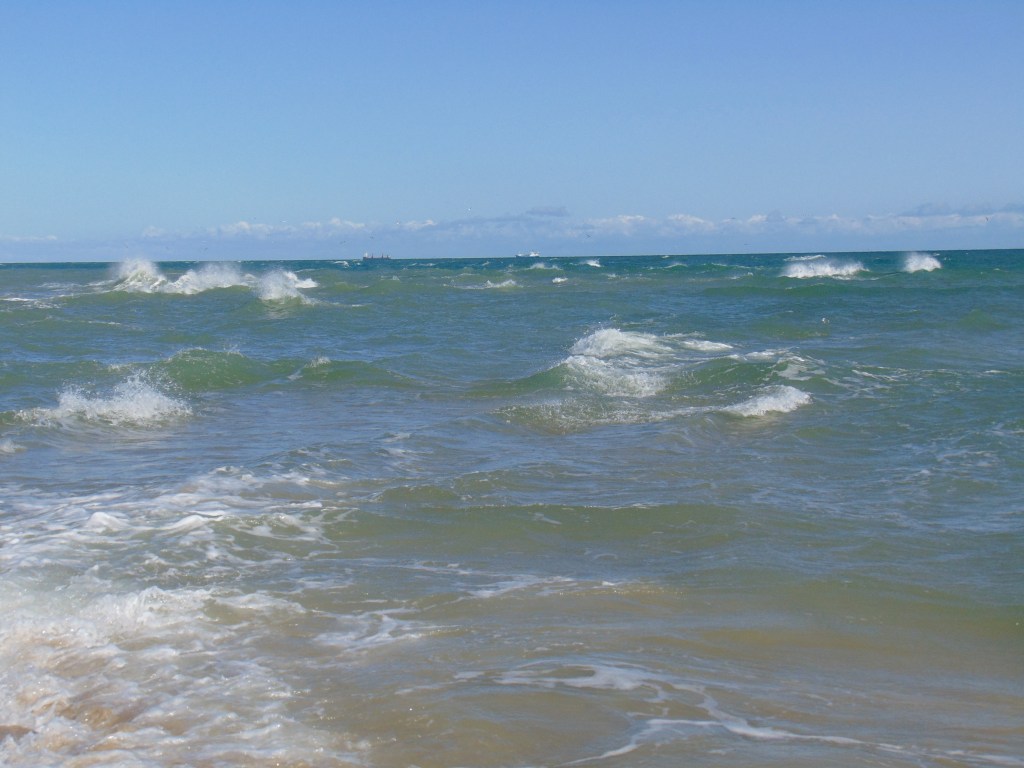
Ho lasciato per ultimo il suono più abituale, più familiare, più raccontato e descritto: quello delle onde del mare (o del lago). Per natura preferisco i mari del nord, più fieri e selvaggi, dove le onde si alzano e galoppano infrangendosi su scogliere o spiagge enormi e deserte (questa foto è stata scattata presso Løkken, in Danimarca). Lì il suono dell’acqua è compagno del vento e dalla combinazione delle due forze traggo energia e pensieri profondi. Amo meno il ritmo blando delle onde che si adagiano sui bagnasciuga di spiagge assolate. Ma questa è una sensibilità del tutto personale che non toglie nulla al potere e all’energia che derivano dall’ascoltare le onde. Ovunque ci si trovi.
I last left the most usual, most familiar, most described sound: the sound of sea (or lake) waves. I prefer, in my nature, the fiercer and wilder northern seas, where the waves rise and gallop, crashing on cliffs or huge, empty beaches (this photo was taken near Løkken, Denmark). Here, the water’s sound is a companion to the wind, and I draw energy and deep thoughts from the combination of both forces. I am less attracted by the gentle rhythm of the waves lapping against the shorelines of sunny beaches. But this is an entirely personal sensibility that doesn’t detract from the power and energy derived from listening to the waves. Wherever you are.
Allenare lo spirito 1: Osservare le nuvole – Spiritual Training 1
Allenare lo spirito 2: Provare a nascondersi – Spiritual Training 2
Allenare lo spirito 3: Sedersi e osservare – Spiritual Training 3
 The City Pilgrim
3 commenti