

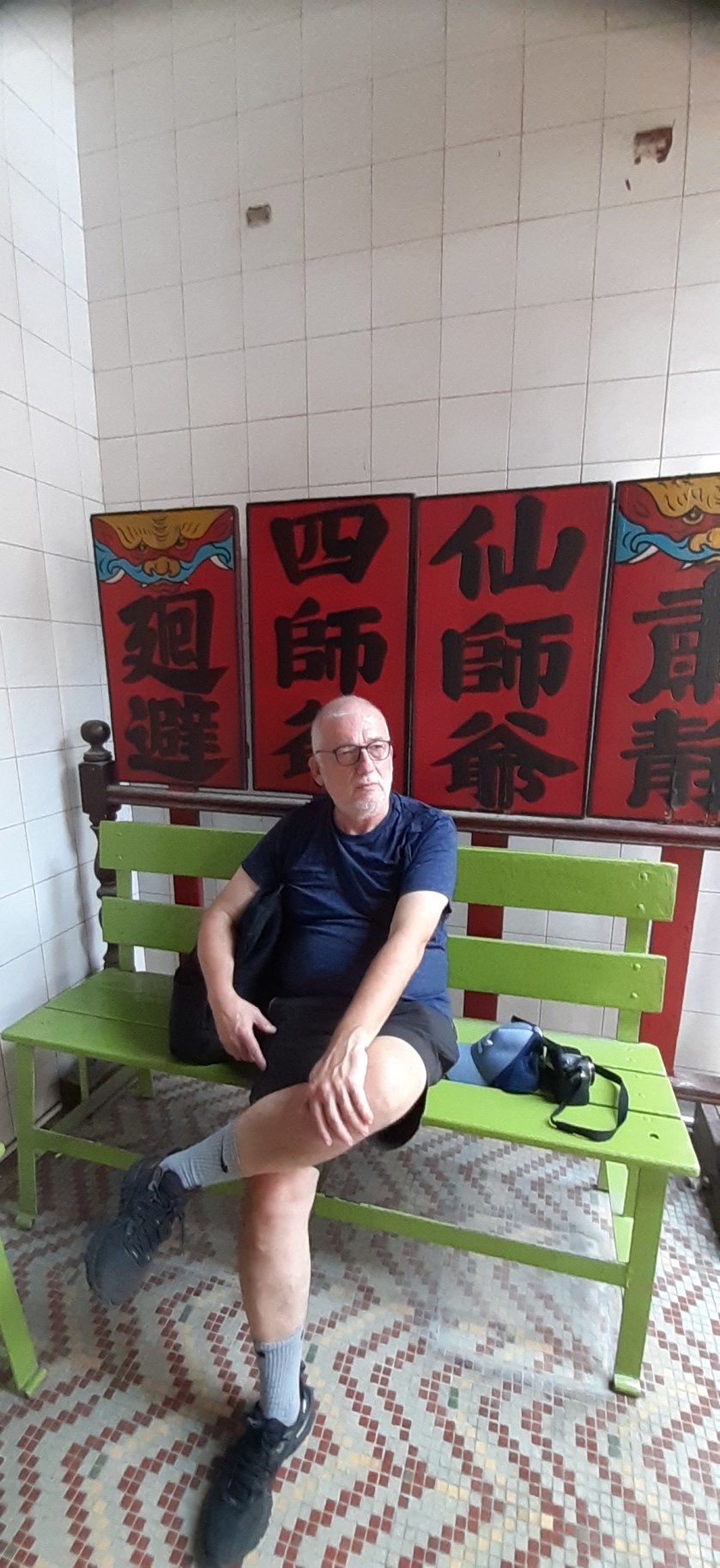
Spesso, mentre mi trovo in una città sconosciuta, sento l’impulso di fermarmi in un luogo e sedermi. Non importa dove. Su una panchina, su un gradino, sul marciapiede, tutto va bene. Mi siedo e osservo. Senza nessuna volontà di comprendere, senza alcun intento voyeuristico: semplicemente osservo e lascio che il tempo passi. In tal modo, l’emozione, la tensione, la frenesia di conoscere che spesso mi prende quando sono in un luogo diverso, di colpo si placano.
Cerco di diventare invisibile agli altri ma anche a me stesso.
La vita mi scorre davanti, con scene semplici, con azioni che parrebbero insignificanti se prese una per una o estrapolate da quel luogo e da quel momento.
Poi, quando mi alzo, sono più tranquillo. Faccio un profondo respiro e riparto, finché questa voglia non si manifesta di nuovo.
Alleno lo spirito a lasciarsi sorprendere dalla quotidianità.
Frequently, when I find myself in an unknown city, I feel the impulse to stop in some place and sit down. No matter where. On a bench, on a step, on the footpath, anywhere is fine. I just sit and watch. No desire to understand, no voyeuristic intent: I simply observe and let time flow by. Thereby, the excitement, the pressure, the thrill of knowledge that often grips me when I am in a new place, suddenly ceases.
I try to become invisible to others but to myself as well.
Life flows by me, in simple sequences, with actions that would seem insignificant if taken one by one or extrapolated from that place and that moment.
Then, when I get up, I feel more relaxed. I take a deep breath and start again until this desire occurs again.
I train my spirit to get caught up in the everyday.
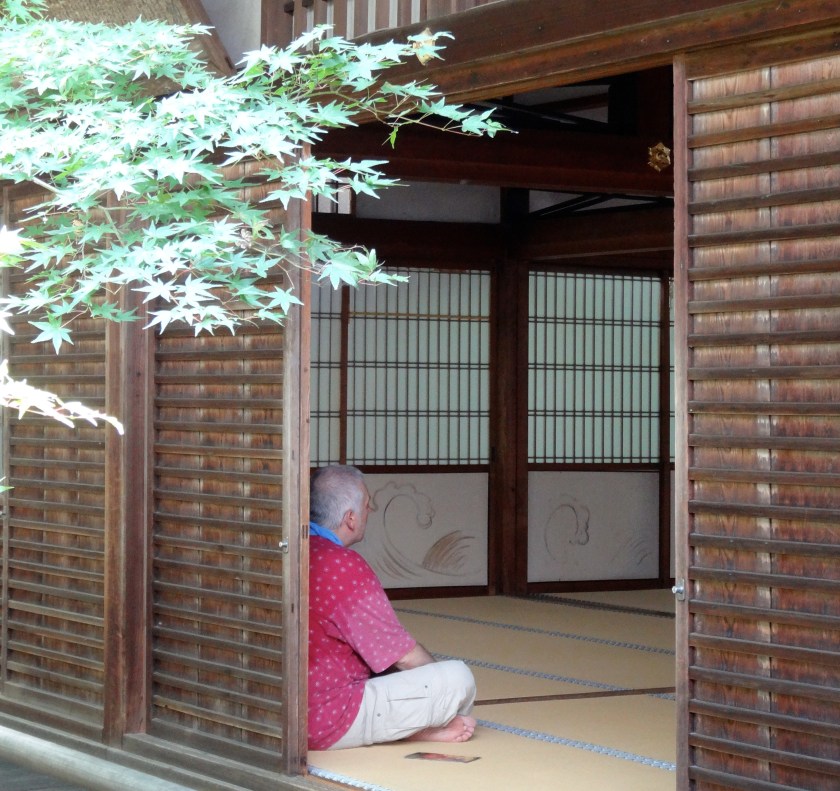
Se il luogo dove mi capita di fermarmi è un tempio o un luogo di culto questa sosta si arricchisce di elementi spirituali ed estetici e può divenire indimenticabile. Come quella che vissi al tempio Eikando di Kyoto (che racconto nello Spirito di Kyoto) dove rimasi per un’ora in silenzio cercando di sperimentare (invano!) il concetto di vuoto.
Può però accadere che il luogo in cui mi fermo sia una semplice piazza, la scalinata di una cattedrale, il muro di un castello. Ho provato questa tecnica ovunque: lontano da casa o vicinissimo a casa, d’estate e d’inverno e ha (quasi) sempre funzionato.
Un consiglio? Non chiedere nulla, non aspettarti nulla. Lascia che le cose sfilino davanti a te così come capita.
If the site where I stop is a temple or a worship place, this stopover is filled with spiritual and aesthetic features and can be unforgettable. Like the one I experienced at the Eikando temple in Kyoto where I spent an hour in silence trying to experience ( unsuccessfully!) the notion of emptiness.
It may happen, however, that the location where I stop is just a simple square, the steps of a cathedral, the wall of a castle. I have tested this approach everywhere: far from home or very close to home, in summer and winter, and it has (nearly) always worked.
Suggestion? Don’t demand anything, don’t expect anything. Let things just flow in front of you as they come.
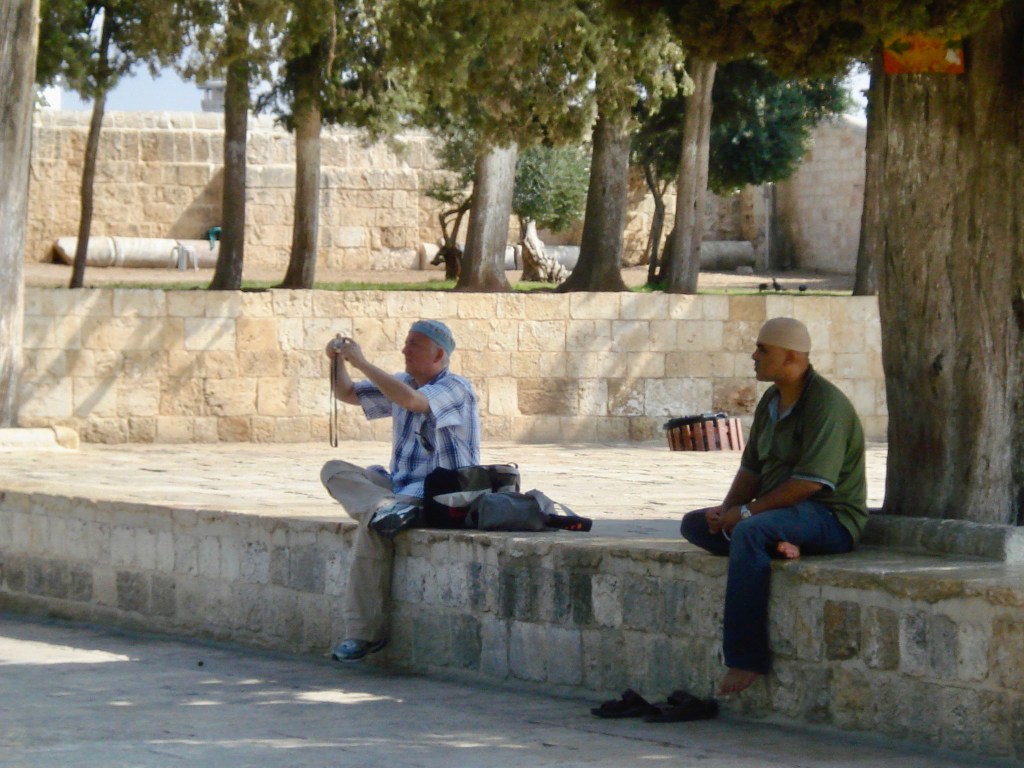
Ci sono luoghi però, come il grande spazio che circonda la moschea della Roccia di Gerusalemme, dove fermarsi, sedersi e osservare diventa più che una scelta episodica una decisione obbligatoria. Sostare per almeno mezz’ora in questo luogo equivale infatti a caricare il proprio spirito quasi ci si trovasse sopra una enorme batteria sotterranea che pulsa.
Mi sono però seduto anche davanti al sottostante Muro Occidentale e ho osservato la commovente partecipazione dei devoti di religione ebraica; mi sono seduto al Getsemani e ho lasciato parlare gli ulivi perché sedersi a Gerusalemme è un grande privilegio ed è un peccato non sperimentarlo senza farsi schiavizzare dai tempi di visita prendendosi più tempo o essendo più selettivo.
However, there are sites, such as the large area surrounding the mosque of the Rock in Jerusalem, where stopping, sitting and observing becomes more than an episodic choice a compulsory decision. Stopping for at least half an hour in this place is indeed equivalent to charging one’s spirit as if standing on top of a huge, pulsating underground battery.
However, I also stood in front of the Western Wall and observed the touching participation of the devout of the Jewish religion; I sat at Gethsemane and let the olive trees speak because to sit in Jerusalem is a great privilege and it is a shame not to experience it by not being enslaved by the schedule of visits taking more time or being more selective.
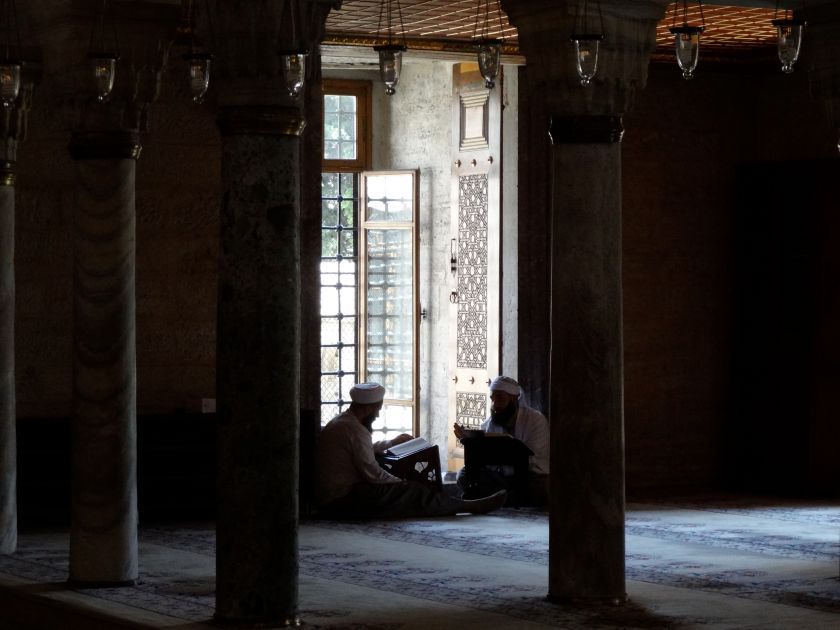
Un’altra sensazione davvero impagabile è quella che provo quando riesco a sedermi in una moschea. Lo spazio di culto musulmano, non essendo pensato solo per il rito ma anche per l’accoglienza, favorisce una seduta serena e contemplativa. Le moschee di tradizione ottomana, inoltre, hanno il pavimento rivestito di tappeti, cosa che rende questa esperienza ancora più confortevole. Sedendosi nelle moschee si possono vedere studiosi intenti a leggere un Corano appoggiato su un grande leggio, bambini che corrono, uomini che dormono, famiglie in visita con il naso all’insù, perché sono le cupole, con le loro luci simboliche ad attrarre gli sguardi.
An additional, priceless experience is the one I get when I succeed in sitting in a mosque. The Muslim worship space, being designed not only for worship but also for hosting, favours a serene and contemplative sitting. Mosques in the Ottoman tradition also have carpeted floors, making the experience even more comfortable. Sitting in a mosque you can see scholars reading a Koran on a large bookstall, children running, men sleeping, and families visiting nose to the sky, because the domes, with their symbolic lights, attract attention.
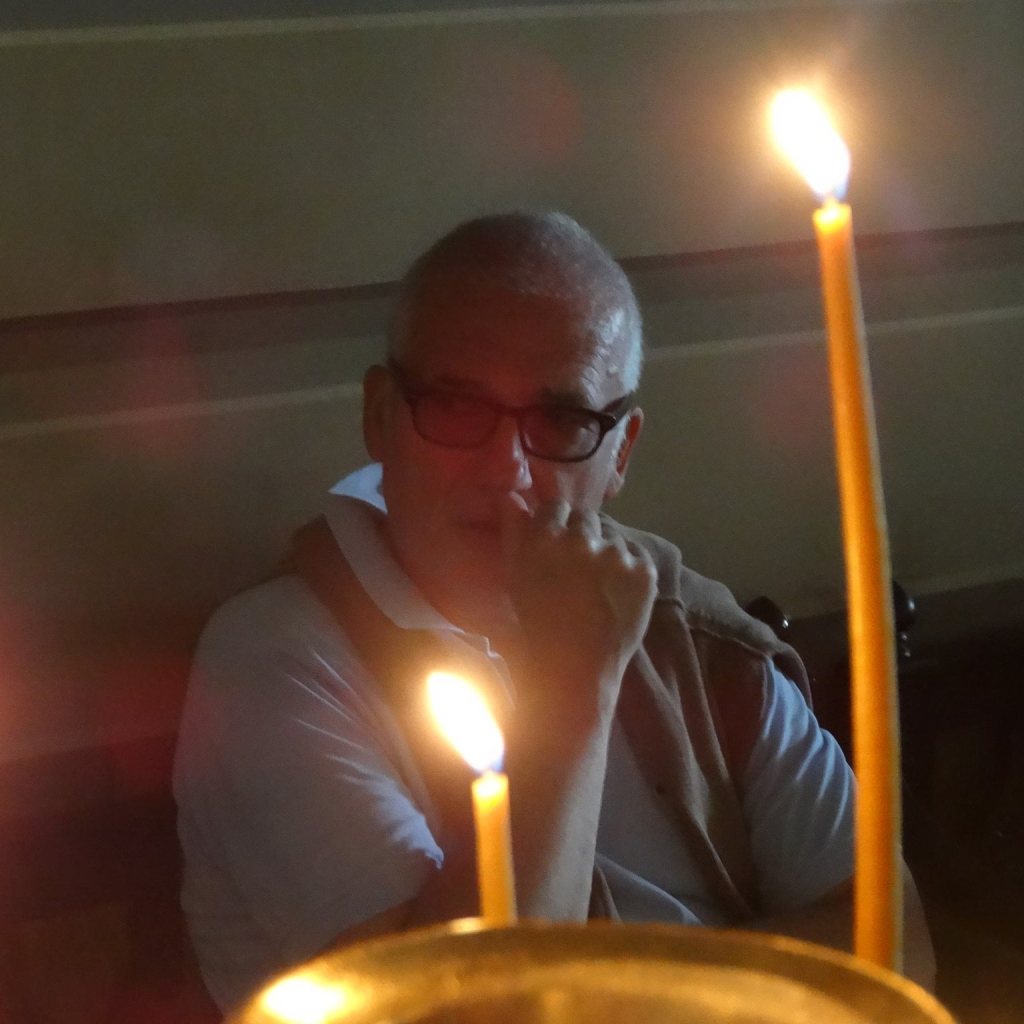
Mi siedo sempre nelle chiese, se possibile in un banco defilato, e guardo senza vedere. In realtà mi lascio spesso invadere dalla piacevole penombra che mi circonda. Naturalmente mi capita di pregare, in chiesa come in ogni altro luogo di culto, ma mi piace anche star semplicemente seduto a guardare la luce di una candela, come nella chiesa del monastero di Novospasskij a Mosca, una finestra dai vetri policromi, una lampada che illumina un dipinto. Non è importante se si tratti di un’opera d’arte. Anzi meno il dipinto è famoso più lo apprezzo solo per essere lì in quel momento, quasi si tratti di un dono speciale per me che evidentemente, senza saperlo, l’avevo cercato.
I regularly sit in the churches, if possibly in a recessed pew, and I watch without seeing. Actually, I often let myself be invaded by the pleasant semi-darkness that envelops me. Of course, I pray, in church as in any other place of worship, but I also like to simply sit and look at the light of a candle, as in the church of the Novospasskij Monastery in Moscow, a window with stained glass, a lamp that illuminates a painting. It is not important whether it is a piece of art. In fact, the less famous the painting is and its value does not derive from the celebrity of the painter, the more I appreciate it just for being there in that moment as if it was a special gift for me who had evidently, without realising it, been looking for it.
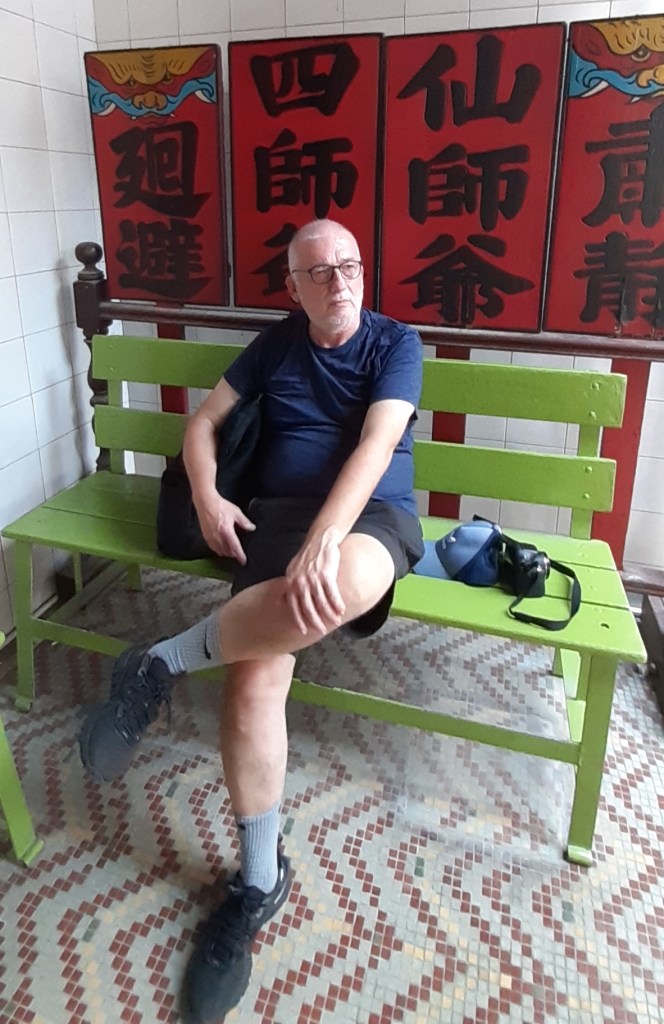
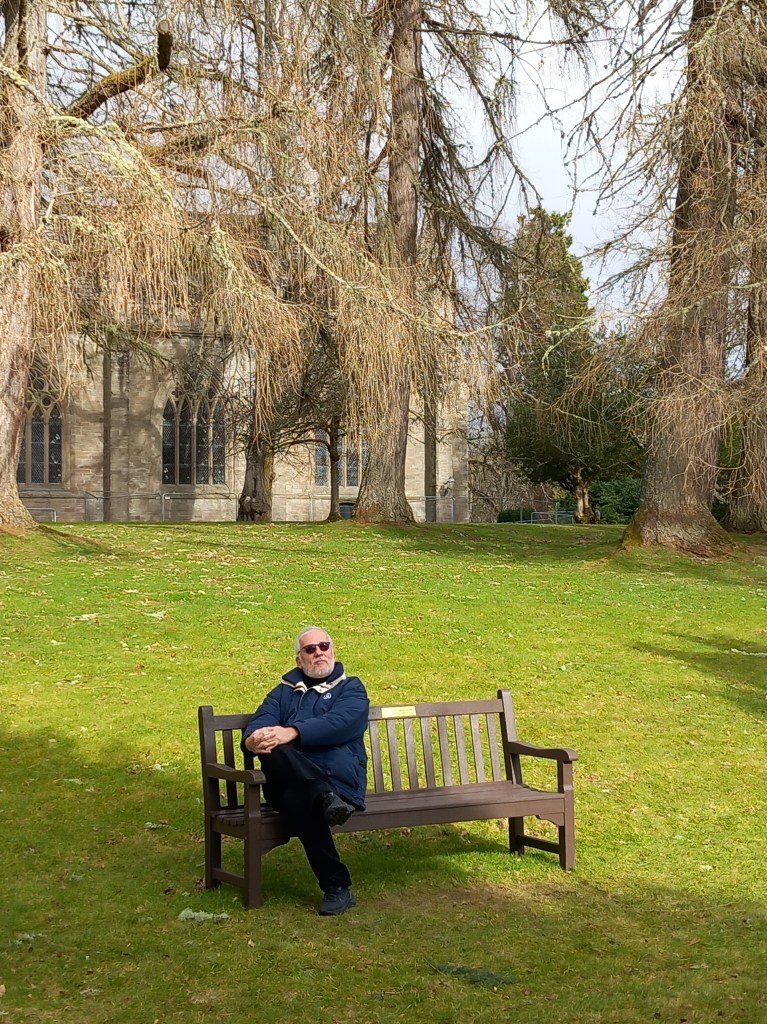
Una panchina è sempre un luogo di osservazione privilegiato, perché una panchina la si trova sempre e ovunque: in un parco della Scozia, in una piazza, nel cortile di un tempio in Malesia, nel corridoio di un museo.
Mi siedo, mi metto comodo e inizio a osservare. Non cerco niente di particolare, non mi aspetto nulla di speciale, lascio solo che la vita mi scorra davanti. Non importa se questa sosta mi farà ritardare la tabella di marcia che ho stabilito per la mia visita. Da quando ho smesso di visitare le città con ritmi da maratoneta e seguendo un piano stabilito la qualità delle mie esperienze è molto migliorata. Alcune di loro si sono impresse nella mia memoria come quella di Boudanilkanta in Nepal: pareva una giornata persa, seduto a guardare le persone che entravano e uscivano da un tempio defilato. Invece ho imparato molto di più sul Nepal da quella mattina di apparente inerzia che da ore e ore di visita nei luoghi più celebrati e affollati.
A bench is always a privileged observation place because you can always find a bench anywhere: in a park in Scotland, in a square, in the courtyard of a temple in Malaysia, in a museum corridor.
I sit down, get comfortable and start observing. I don’t look for something special, I don’t expect anything special, I just allow life to flow before me. It does not matter if this stop will delay the schedule I have set for my visit. Since I stopped visiting cities at a marathon pace and following a set plan, the quality of my experiences has improved a lot. Some of them have stuck in my memory like the one in Boudanilkanta in Nepal: it seemed like a wasted day, sitting and watching people going in and out of a defiled temple. Instead, I learnt a lot more about Nepal from that morning of secluded inertia than from hours and hours of visiting the most celebrated and crowded places.
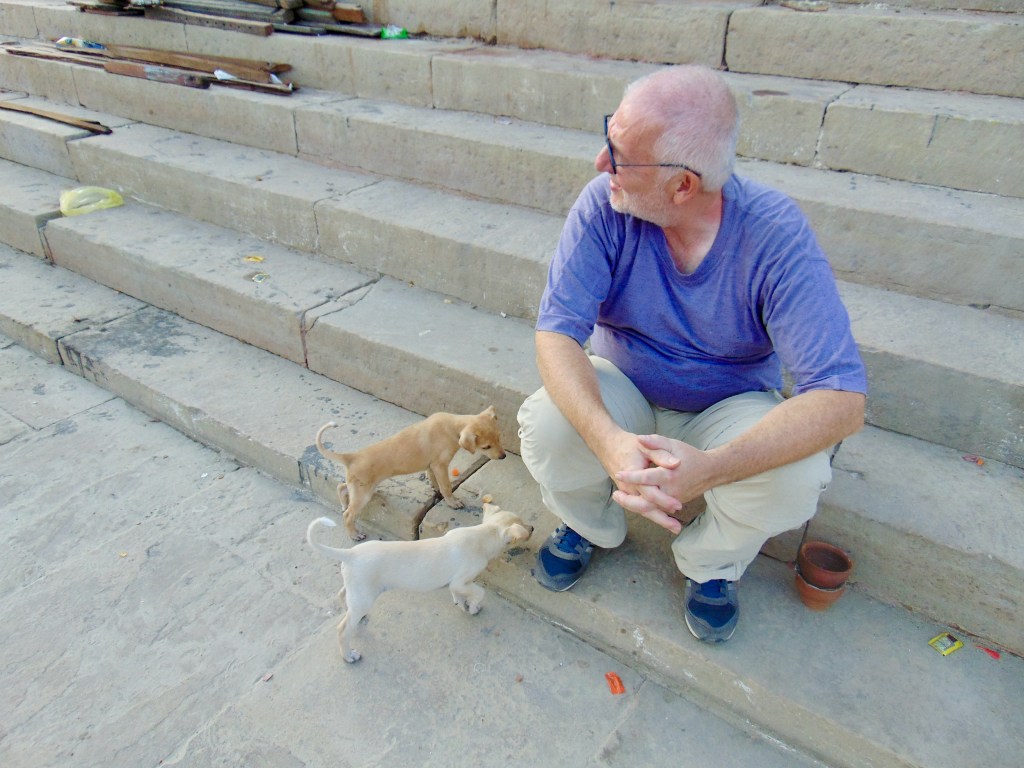
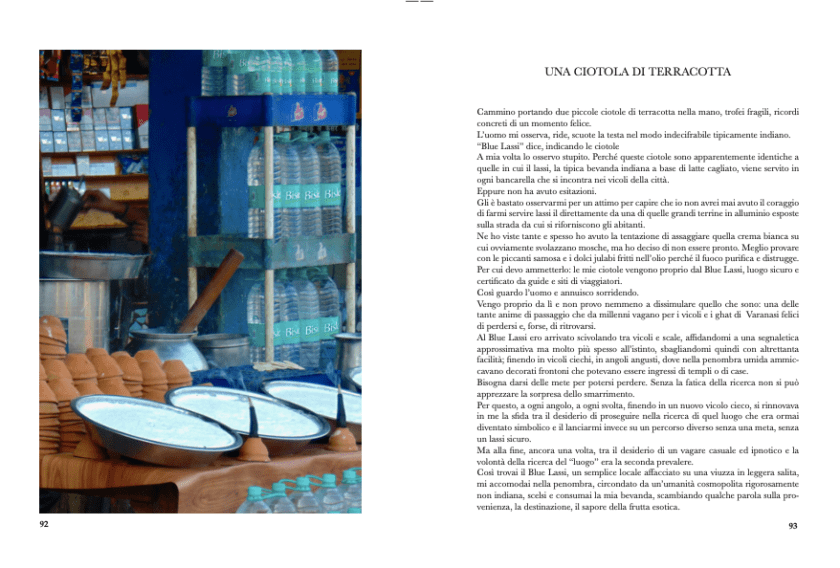
Nessuna esperienza per me vale più di quella che si può vivere stando seduti su un ghat indiano. Vi si possono fare incontri di vario genere, talvolta emozionanti, come quello che mi capitò a Varanasi, raccontato nel libro Lo Spirito di Varanasi (che proprio su questo concetto del “sedere e osservare” è costruito), e mi portò a ripensare grazie a due cuccioli golosi di lassi (la tipica bevanda indiana simile allo yogurth) ai concetti di caso, rinascita e ciclo delle vite.
No experience for me is worth more than sitting on an Indian ghat. Here you can have encounters of various kinds, sometimes exciting, such as the one that happened to me in Varanasi, narrated in the book The Spirit of Varanasi (which is founded on this very concept of ‘sitting and observing’), and led me to rethink, thanks to two lassi (the typical Indian drink similar to yoghurt) gluttonous puppies, the concepts of fate, rebirth and the cycle of lives.


7 commenti