


Il termine cistercense è molto familiare per che si occupa di storia religiosa, architettura o economia. I monaci che portano questo nome infatti furono dei veri innovatori in ognuno di queste discipline. Ma cosa significa cistercense? Il nome deriva dal luogo in cui nel 1089 un monaco ribelle decise di isolarsi per iniziare una nuova esperienza religiosa. Quel luogo, allora un angolo remoto e selvaggio della Borgogna, in Francia, si chiamava Cîteaux ma per i monaci che lo abitarono era il suo nome era Cistercium e loro furono i cistercenses.
The term Cistercian is very familiar to those involved in religious history, architecture or economics. In fact, the monks who bear this name were true innovators in each of these disciplines. But what does Cistercian really mean? The name comes from the place where in 1089 a rebellious monk decided to isolate himself to begin a new religious experience. That place, then a remote and wild corner of Burgundy, France, was called Cîteaux but for the monks who inhabited it its name was Cistercium and they were the Cistercenses.

I MONACI BIANCHI
Conosciuti anche come “monaci bianchi”, perché portano una tonaca di questo colore con scapolare nero, cintura di cuoio e mantello bianco da indossare in coro, i cistercensi sono l’ordine religioso che ha maggiormente segnato la geografia sacra, artistica e agricola dell’Europa medievale. Monaci ma anche architetti, agronomi, esperti di bonifiche hanno eretto splendide e grandi abbazie in ogni angolo del continente creando uno stile inconfondibile. Dalla remota e selvaggia località di Cîteaux (Cistercium) in Borgogna (da cui prendono il nome) i monaci bianchi si sparsero in ogni angolo d’Europa, scegliendo spesso quelli più remoti e inospitali che loro resero fertili e produttivi, applicando in modo ideale il rapporto tra lavoro e preghiera che è alla base della spiritualità benedettina.
Also known as “white monks,” because they wear a robe of this color with a black scapular, leather belt, and white cloak to be worn in the choir, the Cistercians are the religious order that most strongly marked the sacred, artistic, and agricultural geography of medieval Europe. Monks but equally architects, agronomists, and drainage experts built magnificent and grand abbeys throughout the continent, creating an unmistakable style. From the remote and wild location of Citeaux (Cistercium) in Burgundy ( after which they were named) the white monks spread to every corner of Europe, often choosing the most remote and inhospitable ones that they made fertile and productive, ideally applying the relationship between work and prayer that underlies Benedictine spirituality.
BENEDETTINI… DIVERSI
Pur dichiarandosi alle origini come gli unici veri interpreti della Regola di Benedetto, i cistercensi se ne distaccano in alcuni elementi fondamentali: nella Regola per esempio non si parla di monaci conversi e il ruolo dell’abate vi ha una centralità che le Costituzioni cistercensi in parte attenuano. Per questo pur appartenendo alla grande famiglia benedettina si può parlare di un’ordine diverso che, partendo da una base comune (il testo della Regola) introduce elementi caratteristici, estranei al pensiero originale.
While claiming to be the only true interpreters of the Rule of Benedict, the Cistercians diverge from it in some key elements: in the Rule for instance, there is no mention of lay brothers, and the role of the abbot there has a centrality that the Cistercian Constitutions partly attenuate. For this reason, although belonging to the great Benedictine family, we can speak of a different order that, starting from a common base (the text of the Rule) introduces distinctive elements, unrelated to the original concept.
ROBERTO O BERNARDO?
Anche se il titolo di fondatore dell’ordine cistercense spetta di diritto a Roberto di Molesme, la fisionomia e la storia dei cistercensi sono fortemente condizionati dalla figura di San Bernardo di Clairvaux. La nascita e l’affermazione dei “monaci bianchi” è quindi il frutto sia dell’intuizione ascetica di Roberto sia della straripante personalità di Bernardo. Senza il primo forse i cistercensi non sarebbero neppure nati; senza il secondo certamente non sarebbero divenuti uno degli ordini religiosi più importanti nella storia europea.
Nel 1084 Roberto di Molesme, monaco benedettino insoddisfatto del lassismo vigente nelle abbazie dell’epoca, si mette alla ricerca di una più profonda dimensione ascetica addentrandosi in lande sempre più desolate. Lo scopo è quello di creare un puro monastero benedettino. Ventuno monaci lo seguono nel bosco di Cîteaux, luogo “non aduso all’accesso di uomini per la densità del bosco e delle spine” come narra l’Exordium cistercensis coenobi, testo che descrive le origini dell’ordine. Si deve però alla genialità di suoi due successori, l’inglese Stefano Harding e, soprattutto, Bernardo di Clairvaux (Chiaravalle) la definizione giuridica e soprattutto morale del movimento. Se Stefano Harding ne fu infatti l’organizzatore in senso “politico e spirituale” è opera di Bernardo la sua incredibile diffusione nel mondo intero. Alla sua morte, avvenuta, nel 1153, esistevano infatti ben 164 abbazie nel mondo cristiano che si richiamavano agli ideali dell’abbazia cistercense di Clairvaux e la sua influenza in seno all’ordine era tale che per un certo periodo i monaci bianchi verranno identificati anche come “bernardini’.
Although the status of the founder of the Cistercian order rightfully belongs to Robert of Molesme, the Cistercians’ character, and history are strongly conditioned by the figure of St. Bernard of Clairvaux. The birth and establishment of the “white monks” is therefore the result of both Robert’s ascetic intuition and Bernard’s overflowing personality. However, without the first, perhaps the Cistercians would not even have been born; without the second, they certainly would not have become one of the most important religious orders in European history.
In 1084, Robert of Molesme, a Benedictine monk dissatisfied with the laxity prevailing in the abbeys of the time, set out in search of a deeper ascetic dimension by delving into increasingly desolate moors. The aim is to establish a pure Benedictine monastery. Twenty-one monks follow him to the forest of Citeaux, a place “not suitable for the access of men because of the density of the forest and the thorns,” as recounted in the Exordium cistercensis coenobi, a text describing the origins of the order. We owe, however, to the genius of his two successors, the Englishman Stephen Harding and, above all, Bernard of Clairvaux (Clairvaux) the legal and especially moral definition of the movement. If Stephen Harding was the organizer in the “political and spiritual” sense, it was Bernard who made it incredibly widespread throughout the world. By the time of his death in 1153, there were as many as 164 abbeys in the Christian world that appealed to the abbey ideals.

SFIDA AL FEUDALESIMO
La comparsa in Europa dei monaci cistercensi significò un vero e proprio atto di sfida all’egemonia delle grandi abbazie nate in epoca longobarda e carolingia. Per la prima volta infatti un movimento religioso ispirato alla regola di San Benedetto si poneva in aperta polemica e in opposizione al modo di vivere codificato da Benedetto di Aniane e dal Capitolare di Ludovico il Pio. Era una sfida di grandi proporzioni perché andava a intaccare l’identificazione stessa tra monaci benedettini e ordo monasticus e lasciava intravvedere la possibilità di essere degni figli di Benedetto anche senza adeguare la propria struttura e la propria mentalità al sistema feudale.
The advent of Cistercian monks in Europe represented a real challenge to the hegemony of the great abbeys born in the Lombard and Carolingian periods. For the first time in fact, a religious movement inspired by the rule of St. Benedict was in open controversy and opposition to the way of life codified by Benedict of Aniane and the Capitular of Ludovic the Pious. It was a great challenge because it eroded the identification itself between Benedictine monks and the ordo monasticus and suggested the opportunity to be true sons of Benedict even without adapting their structure and mindset to the feudal system.
ALLE ORIGINI DELLA RAPPRESENTATIVITÀ
La Charta caritatis emanata da Harding nel 1118 e approvata da papa Callisto II l’anno seguente, è il documento che chiarisce e codifica la nuova spiritualità cistercense. La prima grande novità di questo documento è politica: abbandonando il sistema di dipendenza feudale che legava l’abbazia madre alle abbazie figlie, le nuove fondazioni cistercensi sono infatti legate tra loro da vincoli di mutua assistenza e concorrono alla creazione del capitolo degli abati che ne è il centro di potere in luogo dell’abate-monarca. Leo Moulin, storico dei sistemi di governo, ha individuato proprio nella democrazia cistercense l’origine dei moderni sistemi di governo basati sulla rappresentatività. Il capitolo annuale degli abati, che verrà poi adottato da tutti gli ordini, è la vera, grande invenzione cistercense. In un’epoca di selvagge contese tra ii potere papale e quello imperiale per stabilire a chi spettasse il “primato” la nascita di un ordinamento che aveva caratteri di internazionalità e che insisteva sul concetto della reciproca carità prima ancora che sul concetto della reciproca dipendenza fu un fatto sconvolgente.

UNA SUPER MADRE, QUATTRO MADRI, MILLE FIGLIE
Gli abati delle quattro abbazie madri (La Fertè, Pontigny, Clairvaux e Morimond a loro volta dipendenti dalla “super madre” Cîteaux) da cui derivano tutte le fondazioni cistercensi nel mondo dovevano infatti visitarsi reciprocamente e visitare a loro volta Cîteaux. In più dovevano instaurare un rapporto analogo con le abbazie da loro fondate. Si assiste quindi a un dinamico movimento circolare di uomini e di idee all’interno di un sistema monastico che in tempi brevissimi si estende capillarmente in tutte le terre della cristianità: dalla Scandinavia all’Italia Meridionale, dal Portogallo all’Ungheria.
The abbots of the four mother abbeys (La Fertè, Pontigny, Clairvaux, and Morimond in themselves dependent on the “super-mother” Cîteaux) from which all Cistercian foundations in the world were in fact to visit each other and to visit Cîteaux themselves. In addition, they had to establish a similar relationship with the abbeys they founded. Hence we see a dynamic circular circulation of men and ideas within a monastic system that in a very short time spread widely throughout the lands of Christendom: from Scandinavia to Southern Italy, from Portugal to Hungary.
RIGORE E SOBRIETÀ COME STILE DI VITA
I Cistercensi portano un messaggio di povertà e di rigore: rifiutano le pellicce, i letti morbidi, i cibi raffinati, le chiese ornate, le donazioni, le sepolture sfarzose, le decime, i mulini. Devotissimi alla Vergine Maria, a cui dedicano tutte le loro chiese, sono portatori di una spiritualità più fervente e meno formale di quella dei benedettini. Inoltre, proprio per ispirazione di Bernardo che pure era uomo profondamente colto, i cistercensi sono ostili agli studi e alla vita accademica visti come nemici dell’umiltà, elemento questo che li avvicina ai primordi francescani.
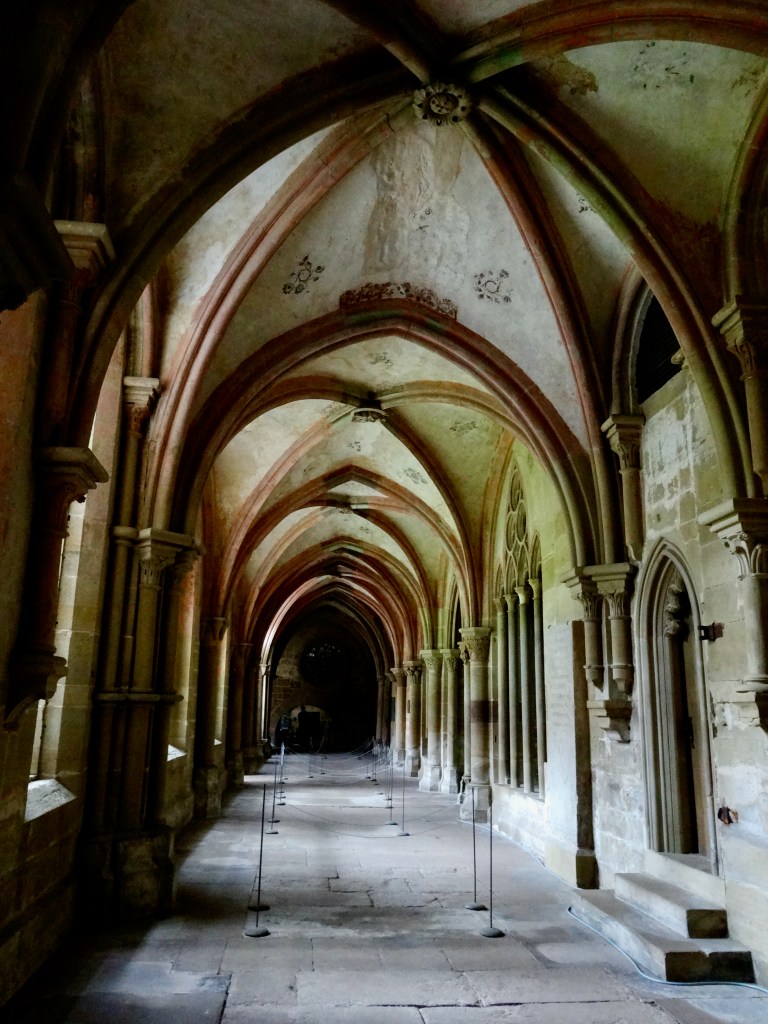
Le loro chiese sono lo specchio della loro devozione: spoglie, senza campanili o torri che le rendano imponenti, caratterizzate però dallo slancio delle navate verso l’alto che trova un formidabile mezzo di espressione nel nuovo stile gotico, che esse stesse contribuiscono a diffondere in ogni terra.
The Cistercians deliver a message of poverty and austerity: they reject furs, soft beds, fancy foods, elaborate ornate churches, donations, lavish burials, tithes, and mills. Highly devoted to the Virgin Mary, to whom they dedicate all their churches, they are bearers of a more fervent and less formal spirituality than that of the Benedictines. Moreover, inspired precisely by Bernard, who was himself a highly erudite man, the Cistercians are averse to studies and academic life regarded as enemies of humility, something that brings them closer to the early Franciscans.
The churches they built reflect their devotion: unadorned, without bell towers or towers making them imposing, characterized, however, by the upward thrust of the naves finding a formidable mode of expression in the new Gothic style, which they helped to spread throughout the world.
L’IMPORTANZA DEI CONVERSI
L’istituzione dei conversi è un altro passo importante nel passaggio dal sistema feudale a tempi nuovi. La figura del fratello laico che sovrintendeva ai lavori agricoli e alla vita pratica all’interno del monastero, così da non distogliere il monaco dalla sua occupazione principale che doveva rimanere sempre la Lectio Divina, assume con i Cistercensi un’importanza notevolissima.
Sono conversi cistercensi i maestri dell’ingegneria idraulica del Medioevo, capaci di creare canali e sistemi di drenaggio ancor oggi validi; non più semplici servi dell’elite monastica, come avveniva nelle grandi abbazie benedettine, i conversi sono compartecipi di un movimento di dimensioni enormi che va oltre la semplice storia religiosa. L’importanza dell’ordine nella storia economica d’Europa è stato infatti più volte sottolineato. Il sistema delle grange, insediamenti agricoli indipendenti, gestiti da conversi e salariati, rivoluziona infatti il panorama agricolo del Duecento, fino ad allora dominato dalle vaste estensioni feudali, poco sfruttate e in gran parte abbandonate.
The institution of the lay brothers is another important step in the transition from the feudal system to new times. The figure of the lay brother supervising the farm work and daily practical life within the monastery, so as not to distract the monk from his principal occupation, which was always to remain the Lectio Divina, assumes with the Cistercians a very notable significance.
Cistercian lay brothers were the masters of hydraulic engineering in the Middle Ages, skilled in creating canals and drainage systems that still remain valid today; no longer mere servants of the monastic elite, as was common in the great Benedictine abbeys, the converts are co-partners in a massive movement extending further than mere religious history. The importance of order in the economic history of Europe has actually been stressed repeatedly. The system of granges, independent agricultural settlements run by lay people and salarymen, in fact, revolutionized the agricultural landscape of the thirteenth century, hitherto dominated by extensive feudal estates, little exploited and largely abandoned.
DECADENZA E RINASCITA
Per i cistercensi le riforme anglicana e luterana comportano la perdita di numerosissime e ricchissime abbazie (in Gran Bretagna le fondazioni dei monaci bianchi erano dei veri e propri centri di potere e come tale furono ambitissimi dalle confische reali). Il Cinquecento è dunque tempo di ridimensionamento e di riforme che coinvolgono anche il sistema di governo dell’ordine ormai incalzato dal cambiare dei tempi. La dipendenza da Cîteaux e dal suo capitolo annuale si fa sempre più flebile, sostituita dall’importanza dei singoli capitoli indetti dalle varie congregazioni locali. Nel XVII secolo ll’ordine conosce una profonda riforma in senso rigorista: è il momento della riforma trappista che sconvolge e indirizza la storia futura dell’ordine.
For the Cistercians, the Anglican and Lutheran reforms meant the loss of many, very rich abbeys (in Britain the foundations of white monks were veritable power hubs and were as such coveted by royal confiscations). The sixteenth century was therefore time for downsizing and reforms that also involved the order’s system of governance now pressed by the changing times. The dependence on Cîteaux and its annual chapter became increasingly feeble, replaced by the importance of individual chapters called by the various local congregations. In the seventeenth century, the order underwent a profound reform in a rigorist direction: it was the time of the Trappist reform that upset and redirected the future history of the order.
PER SAPERNE DI PIÙ PUOI LEGGERE ANCHE…
Abbazie cistercensi in Italia
 The City Pilgrim
Bravo per questi articoli gratuiti ed interessantissimi !
Grazie di cuore Genevieve
"Mi piace""Mi piace"
Grazie, sono felice che li apprezzi. Non lo faccio per guadagnare di certo.
Cesare
"Mi piace""Mi piace"