

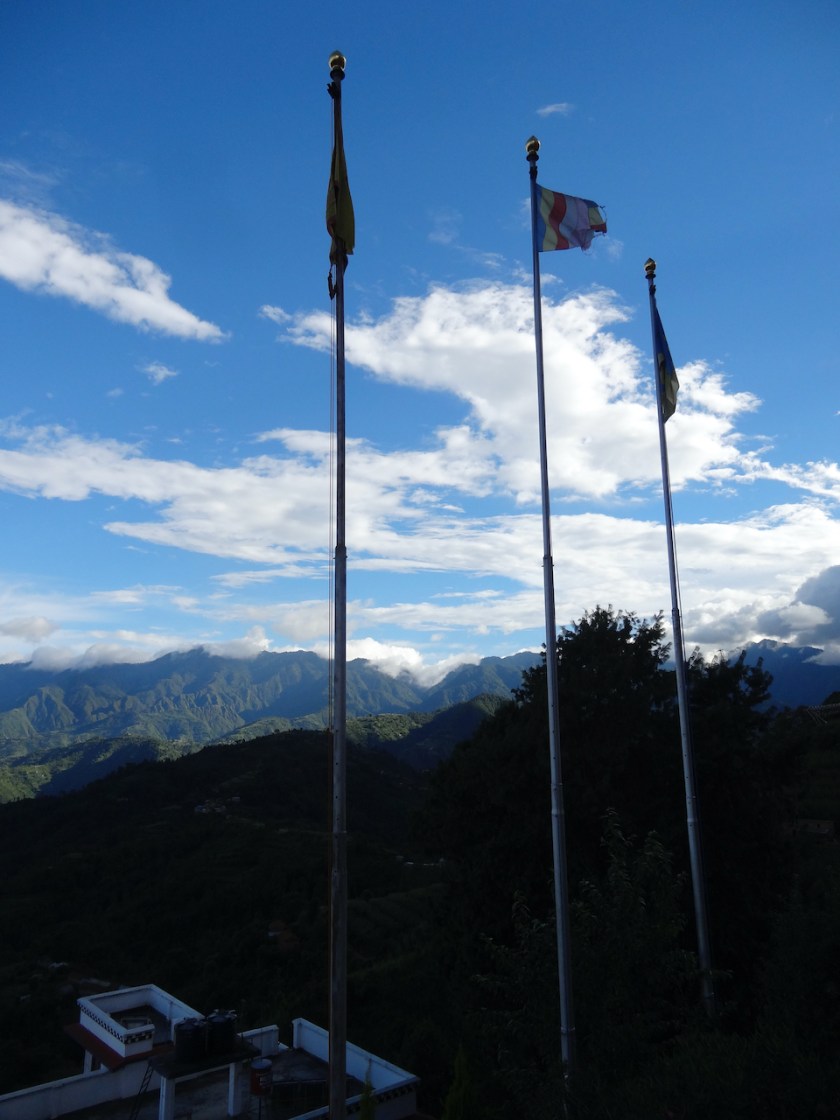
Basta poco per allenare lo spirito. Non servono duri ritiri, astinenze, rivoluzioni nel proprio modo di vivere. Basta osservare in modo diverso quello che ci circonda: trovare luoghi speciali, riconoscere segni, seguire semplici percorsi che possono essere al tempo stesso fisici e spirituali.
Ecco alcuni suggerimenti che nascono dalle mie esperienze, dai miei viaggi, dalle mi riflessioni.
Possono adattarsi a tutti? Possono garantire le sensazioni che hanno trasmesso a me? Non pretendo di offrire ricette infallibili o universali, condivido piccole pillole, frammenti di vita, immagini, momenti, emozioni.
Training the spirit requires little. Hard retreats, abstinences, and revolutions in our way of life are not needed. It is enough to observe our surroundings in a different way: find special places, recognize signs, and follow simple paths that can be both physical and spiritual.
Following suggestions arising from personal experiences, travels, and reflections.
Can they suit everyone? Can they provide the sensations they conveyed to me? My claim is not to offer infallible or universal recipes, I just share small pills, snatches of life, images, moments, and emotions.
C’è un quadro che mi ha sempre trasmesso grandi emozioni: Il Viaggiatore su un mare di nebbia dipinto nel 1818 dal pittore tedesco Caspar David Friedrich (Kunsthalle, Hamburg), un quadro molto famoso e sfruttato nella comunicazione tanto da diventare l’icona dell’esperienza del viaggiatore romantico.
A painting has always evoked deep emotions in me: The Traveller on a Sea of Fog, painted in 1818 by the German painter Caspar David Friedrich (Kunsthalle, Hamburg), an extremely popular painting exploited in communication enough to become the icon of the romantic traveller’s experience.
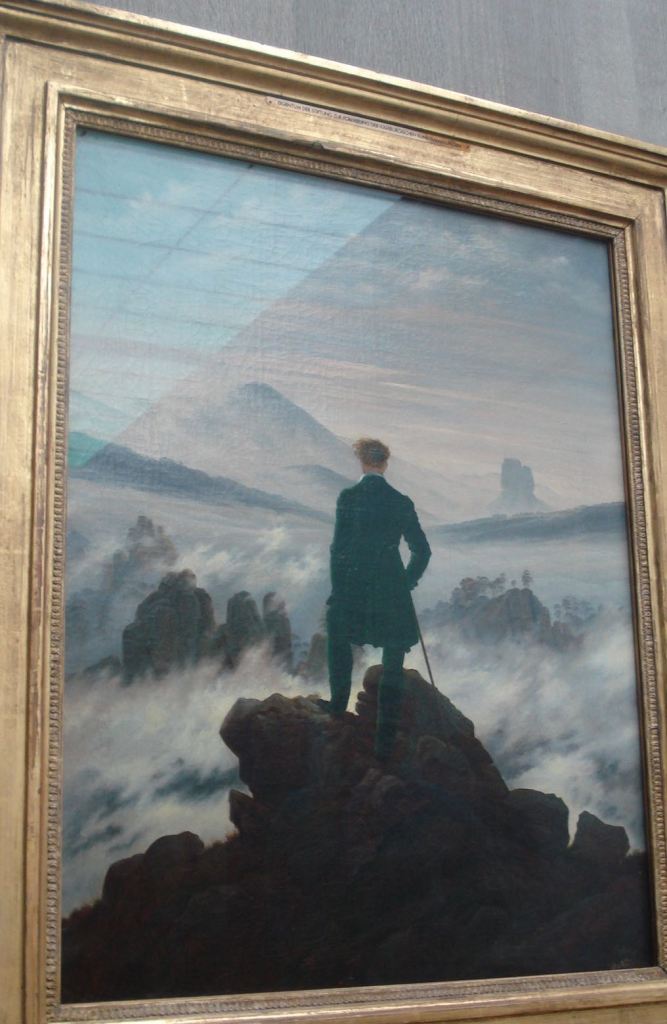
In questo quadro il protagonista, rigorosamente ritratto di spalle come ogni altra figura di Friedrich che ne voleva condividere il punto di vista, ammira un paesaggio di valli montane (la cosiddetta Svizzera Sassone a sud di Dresda in Germania) in gran parte nascosto da nuvole.
Non credo esista esempio più chiaro di cosa intendo per “elevarsi al di sopra di qualcosa…”.
Il viandante di Friedrich guarda verso un paesaggio parzialmente velato da nuvole turbolente che ha faticosamente conquistato al termine di una faticosa ascesa.
Adesso il Viaggiatore (ovvero ognuno di noi in ogni momento, anche il più banale della nostra vita) può contemplare il “suo” paesaggio con un atteggiamento di vigile serenità.
In this painting the protagonist, rigorously portrayed from behind like any other Friedrich’s figure, contemplates a scenery of mountain valleys (the so-called Saxon Switzerland south of Dresden in Germany) largely hidden by clouds.
There is probably no clearer example of what I mean by ‘rising above something…’.
Friedrich’s wanderer looks down on a landscape that he has laboriously conquered at the end of a strenuous ascent partly veiled by swirling clouds.
The Traveller (i.e. each one of us in every moment, even the most trivial of our lives) can now contemplate ‘his’ landscape with an attitude of watchful serenity.
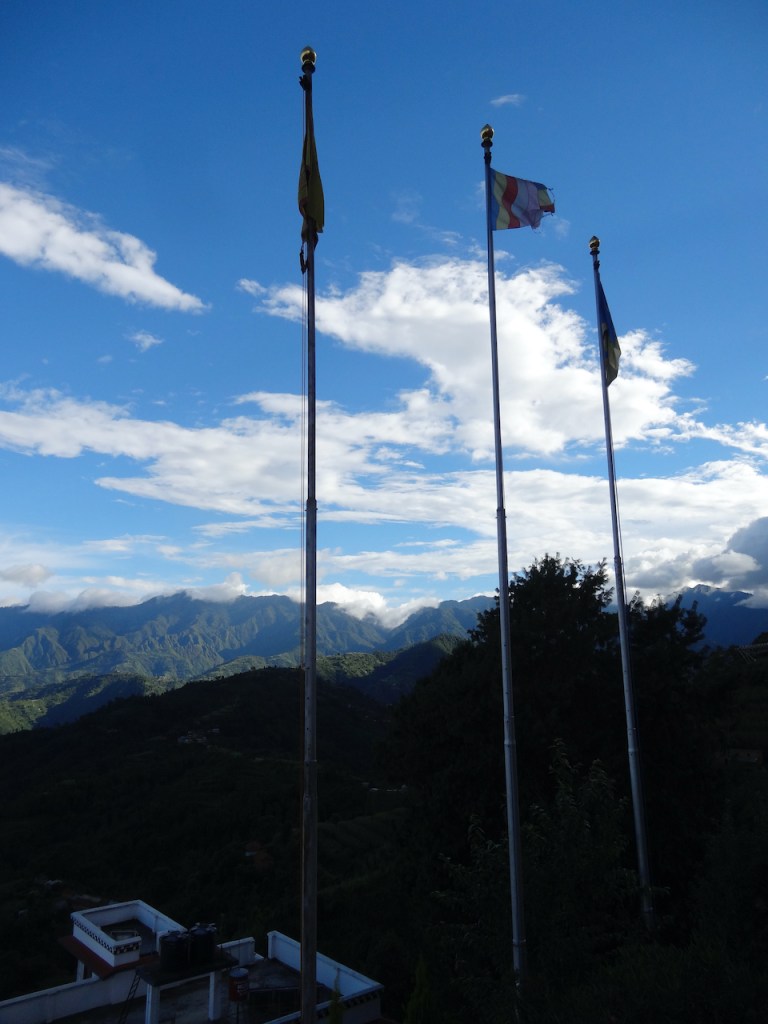
Salire su una montagna non è oggi un esperienza difficile, lo si può fare oggi anche in auto, in moto, con una bicicletta o con una seggiovia.
Guardare le nuvole, magari dall’alto (non è emozionante osservarle dal finestrino di un aeroplano?), è diventato per me un modo semplice per entrare in sintonia con l’infinito.
Climbing up mountains is not such a tough experience today; you can do it by car, motorbike, bicycle or chairlift.
Observing the clouds, even from above (isn’t it exciting to look at them from an aeroplane window?), is for me an easy way to get in tune with infinity.

Un infinito che non pretendo di capire né tanto meno dominare ma al cui cospetto mi piace abbandonarmi proprio volgendo lo sguardo verso le nuvole, specialmente quando sono sfuggenti e leggere perché in quei momenti anch’io mi sento più leggero.
It is an infinity I don’t expect to understand, or even dominate, however, I enjoy abandoning myself by turning my gaze towards the clouds, especially when they are fleeting and airy, as in those moments I feel lighter too.
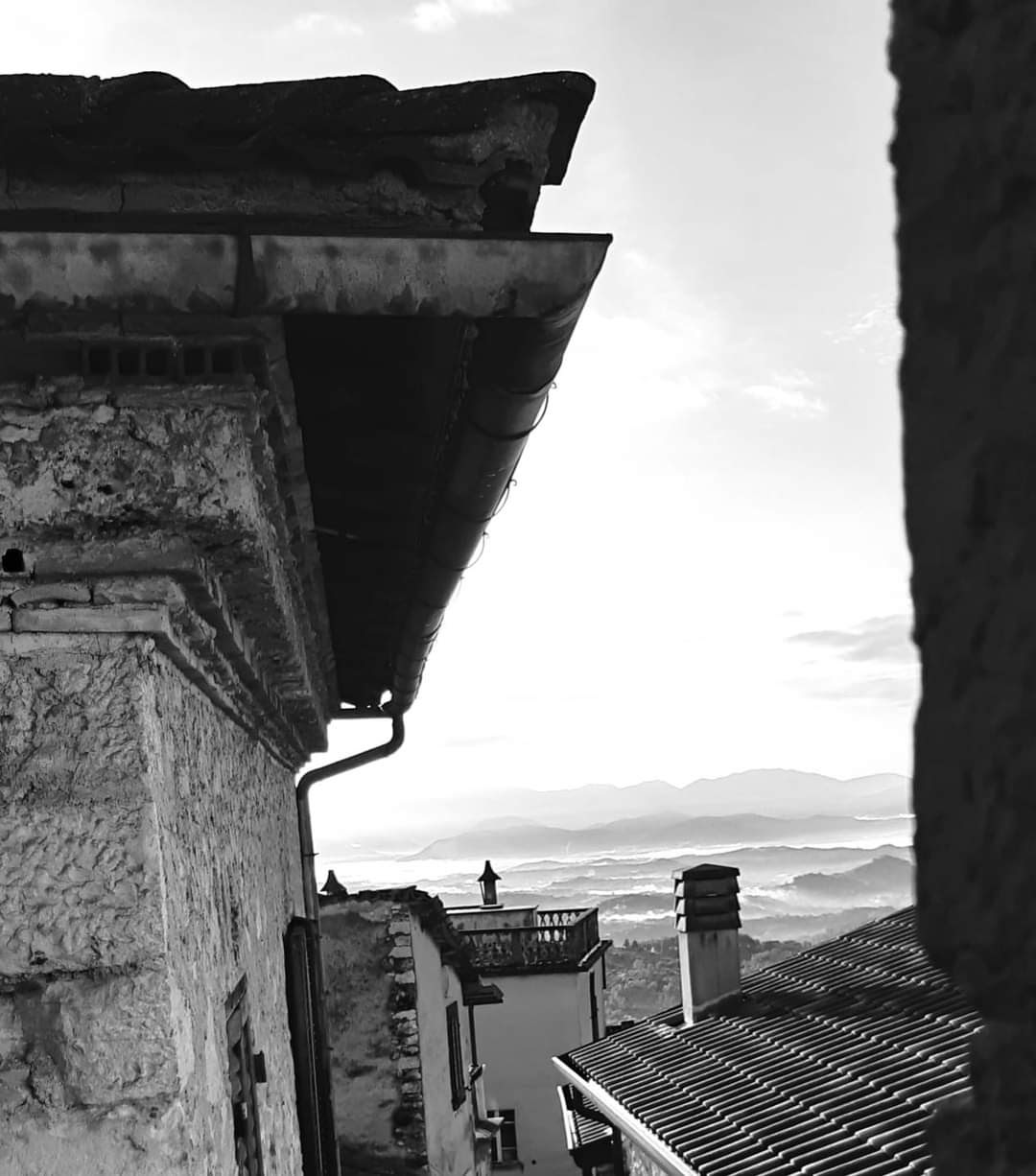
La sensazione è ancor più forte quando questa esperienza accade in modo inaspettato; per esempio aprendo una finestra in una mattina di autunno, in una città medievale italiana, dopo un temporale e ammirando fili di nuvole che si insinuano tra le colline sottostanti mentre una campana suona per annunciare la messa nella chiesa che si trova proprio alle mie spalle.
This feeling is even stronger when it happens in an unexpected way; for instance, by opening a window on an autumn morning, in a medieval Italian town, after a thunderstorm and enjoying streaks of clouds creeping across the hills below while a bell is ringing to announce mass in the church behind me.
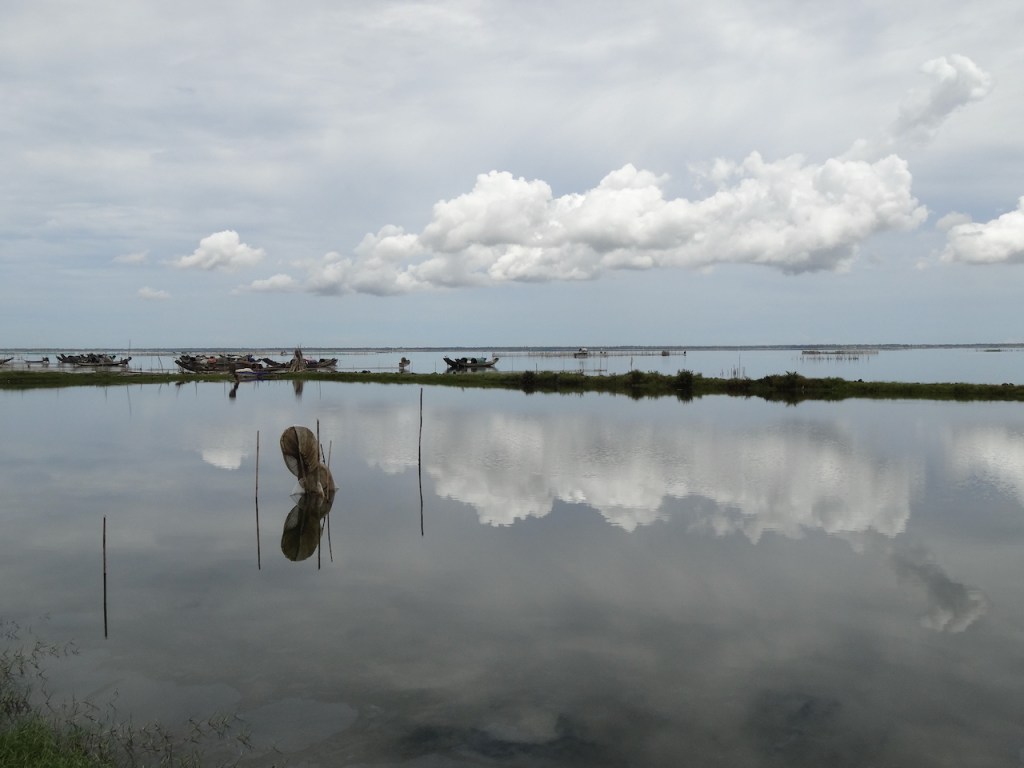
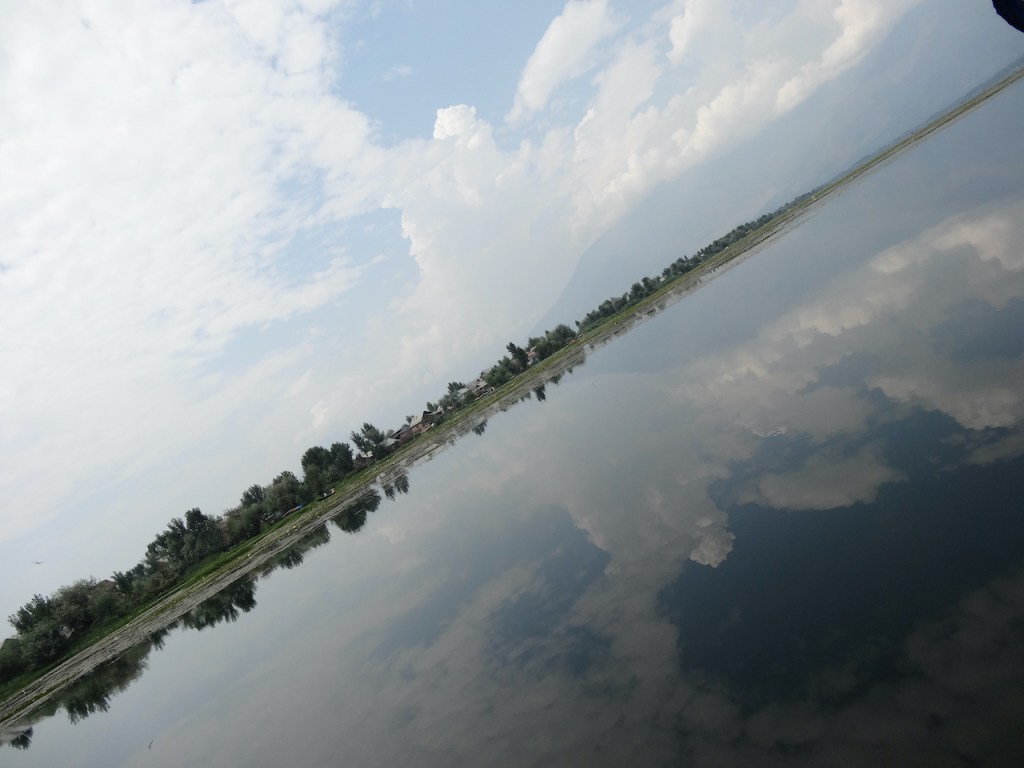
Mi piace guardare le nuvole anche in modo obliquo, disassando l’orizzonte, magari leggendole riflesse nelle acque di un lago, mentre galleggio nel silenzio a bordo di un piccola barca a remi.
Le acque e le nuvole allora si confondono e la contemplazione del superiore e dell’inferiore porta inevitabilmente a pensieri. Sopra, sotto, realtà, riflessi… tutto entra in gioco perché le nuvole mutano, si muovono e con loro si muove il pensiero. Non cambia solo il paesaggio che percepiamo con gli occhi ma anche quello che costruiamo nella memoria e che ci accompagnerà per sempre.
I also love contemplating the clouds in an oblique way, off-setting the horizon, maybe by reading them reflected in the waters of a lake, while I float in the silence aboard a small rowing boat.
The waters and the clouds then merge and contemplating the above and the below leads unavoidably to considerations. Above, below, reality, reflections … Everything becomes involved as the clouds change or move and thoughts move alongside them. It is not only the landscape we perceive with our eyes that changes, but also the one we build in our memory and which will accompany us forever.
Altre volte le nuvole corrono in lontananza, disegnano una quinta, sono il simbolo dell’irraggiungibile e dell’effimero, dell’inafferrabile essenza della vita, fatta di acqua, vento, luce.
Allora bisogna lasciarle fuggire, provando a essere come loro, spinte dal vento verso un altro luogo, un altro spazio, un’altra luce.
Other times clouds run through the distance, they draw a background, and they are the symbol of the unattainable and transitory, of the elusive essence of life, made of water, wind, and light.
So you must let them escape, trying to become them, pushed by the wind towards another place, another space, another light.
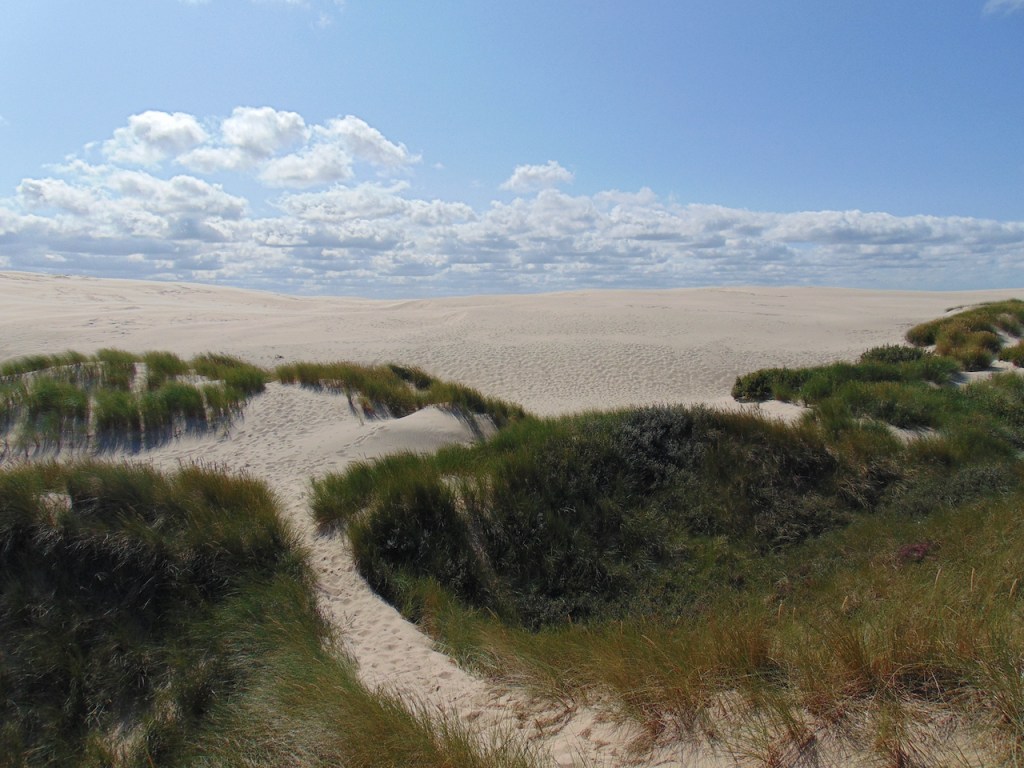
Spesso, dopo aver raggiunto a fatica un punto di osservazione elevato, mi capita di chiedermi come sarebbe il paesaggio che ammiro, se non ci fossero le nuvole, se il cielo fosse terso e pulito, oppure, all’opposto se il cielo fosse totalmente coperto di nuvole. Ma mentre faccio questo pensiero il cielo è già cambiato. Questa è l’impermanenza, concetto buddista che mi colpisce specialmente quando visito l’Oriente.
Frequently, after struggling to reach an elevated viewpoint, I wonder what the landscape I admire would look like without the clouds, whether the sky would be clear and bright, or, on the opposite extreme, whether it would be entirely cloud-covered. But as I am thinking that, the sky has already changed. This is impermanence, a Buddhist concept that strikes me, especially visiting the East.

Poi, quando il cielo si frantuma, quando il vento che sorge dal mare scompagina il cielo ecco che le nuvole si dividono, annunciando tempeste, cambiamenti, diluvi. È proprio in questi momenti che si acuiscono i sensi, che la tensione cresce, che l’incertezza tra luce e ombra si impossessa di me, predisponendomi all’accettare la pioggia o a sperare in una vittoria del sole. Ascolto il vento, afferro l’elettricità che cresce nell’aria, mi adeguo al cambiamento, cercando un riparo per poter ascoltare la pioggia, esperienza che, come insegnavano i poeti e i saggi cinesi, ha il potere di ripulire lo spirito.
And then, as the sky shatters, as the wind rising from the sea disrupts the sky, the clouds separate, announcing storms, changes, and deluges. These are moments in which my senses are heightened, the tension grows, and the uncertainty between light and shadow overwhelms me, preparing me to accept the rain or to trust in a sun’s victory. I listen to the wind, I grasp the electricity rising in the air, I embrace the change, seeking shelter to listen for the rain, the experience that, as the Chinese poets and sages taught, has the power to purge my spirit.

Per scoprire altre esperienze simili guarda questi link
To discover more similar experiences check out these links
Allenare lo Spirito/2: Provare a nascondersi/Try to hide yourself
Sedersi e osservare/allenare lo spirito 3/Sit and watch/Spiritual Training 3
 The City Pilgrim
6 commenti