

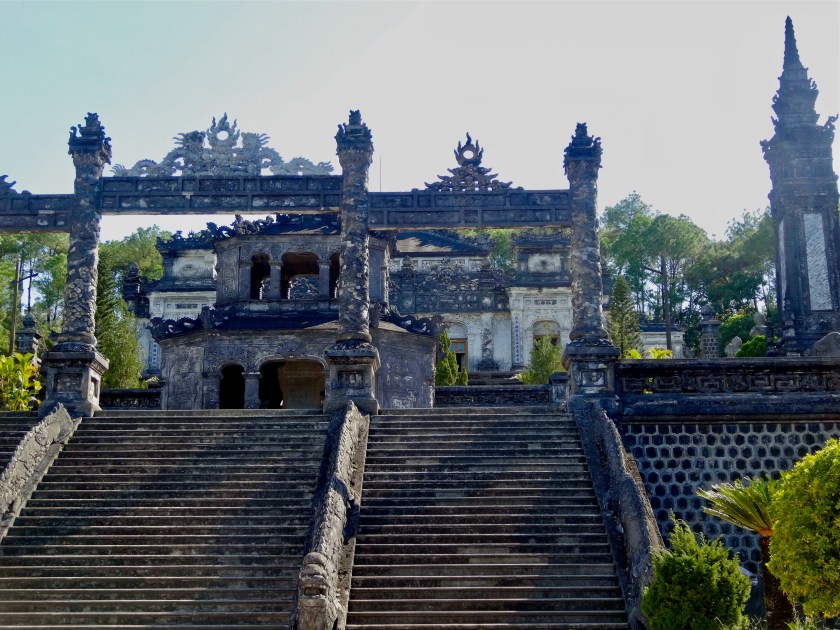
Giacobbe fece questo sogno: una scala poggiava sulla terra, mentre la sua cima raggiungeva il cielo e i messaggeri divini vi salivano e vi scendevano. (Genesi, 28,12)
He had a dream in which he saw a stairway resting on the earth, with its top reaching to heaven, and the angels of God were ascending and descending on it. (Genesis, 28,12)

Esiste una metafora più viva e convincente per esprimere la fatica e la sofferenza di un percorso spirituale di quanto lo possa essere un scala? Dai tempi più antichi la scala è stata assunta a simbolo dell’ascesa dell’uomo verso Dio, del distacco dal piano terreno e materiale, del progresso graduale dell’anima verso mete più alte.
Is there a more vivid and powerful metaphor to express the fatigue and suffering of a spiritual journey than a ladder can be? Since the earliest times, a ladder has been taken as a symbol of man’s ascent toward God, of detachment from the earthly and material plane, of the soul’s gradual progress toward higher goals.

Un giorno mentre salivo, scalino dopo scalino, verso la cima del Tai Shan, la più sacra delle montagne cinesi, mi ritrovai a pensare se quella fatica, condivisa con arzilli vegliardi cinesi, potesse avere un qualche valore e un qualche peso nel complessivo andamento della mia vita spirituale. Trascinavo il mio corpo pesante, sudato, affaticato verso l’alto invisibile, nascosto da alberi e da un cielo bigio e appiccicoso, salendo con un respiro sempre più affannato gli irregolari e ripidi gradini rendendomi conto di come il mio stato in quel momento potesse essere inteso come il simbolo di una greve e inevitabile umanità.
Non riuscii però a portare a termine quel progetto ambizioso, fermandomi ai piedi dell’ultima erta, dritta, verticale e impressionante che porta al culmine del sacro monte.
La mia momentanea delusione lasciò però presto spazio a pensieri consolatori e il solo fatto di aver concepito quell’impresa, passo dopo passo, gradino dopo gradino, ha avuto il suo peso nello sviluppo della mia successiva ricerca di irragiungibile perfezione.
Negli anni successivi, salendo altri scalini, raggiungendo altre vette, magari meno ambiziose in assoluto ma sicuramente significative nel momento stesso in cui le compivo, ho portato con me le riflessioni maturate da un’apparente sconfitta.
One day while climbing, step by step, to the summit of Tai Shan, the holiest of Chinese mountains, I suddenly discovered myself pondering whether that effort, shared with sprightly Chinese elders, could have some value and relevance in the overall course of my spiritual life. I dragged my heavy, sweaty, fatigued body toward the invisible heights, hidden by trees and a gloomy, sticky sky, ascending the rough, steep steps with an increasingly heavy breath, realizing how my condition at that moment could be taken as symbolizing a crude and inescapable humanity.
I failed, however, to complete that ambitious project, stopping at the foot of the last, straight, vertical, and impressive upward slope leading to the summit of the sacred mountain.
My momentary disappointment soon left room for consoling thoughts, however, and the mere fact that I conceived that feat, step by step, grade by grade, had its weight in the development of my subsequent quest for unattainable perfection.
In the following years, climbing other steps, reaching other heights, perhaps not so ambitious but certainly so significant in the very moment I was accomplishing them, I carried with me the reflections accrued from an apparent defeat.
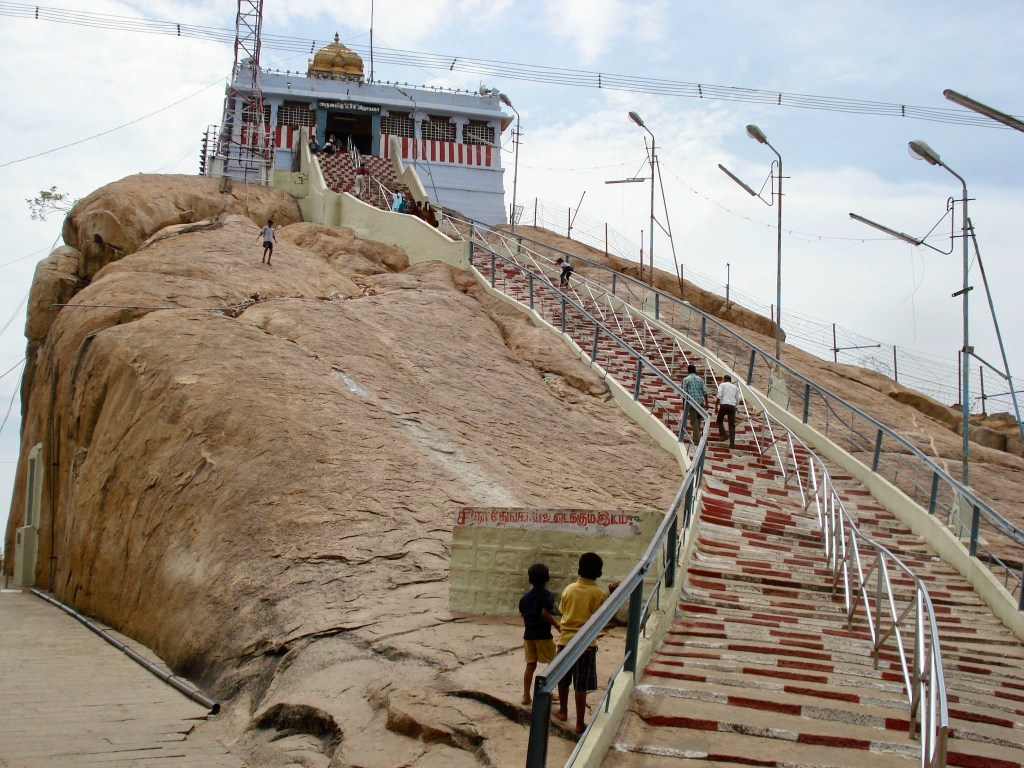
Salire è sempre un po’ soffrire, come avvenne un giorno percorrendo a piedi nudi gli scalini roventi che conducevano a un piccolo santuario hindu nel sud dell’India. Fatica, dolore, immediato e costante, amplificato dalla coscienza che dopo la salita ci sarebbe stata una altrettanto rovente discesa. Mi chiedevo verso cosa stessi salendo accorgendomi che per me la risposta era irrilevante. Mi chiedevo anche che cosa sperassi di trovare al termine di quella rovente ascesa, dicendomi che in fondo non mi importava.
Infatti, una volta conquistata la cima, nulla di magico trovai, a parte un piccolo simulacro divino e un nebbioso panorama del Tamil Nadu. Ma mi sentivo felice e colmo di una felicità che si estendeva al resto del mondo, visibile e invisibile.
Ascending is always a bit painful, as occurred one day as I walked barefoot up the scorching steps leading to a small Hindu shrine in southern India. Fatigue, pain, immediate and constant, amplified by the awareness that after the climb there would be an equally scorching descent. I wondered what I was climbing toward realizing that for me the answer was irrelevant. I also wondered what I hoped to find at the end of that burning ascent, telling myself that I didn’t care after all.
Indeed, once I conquered the summit, there was nothing magical to be discovered except a small divine simulacrum and a misty Tamil Nadu panorama. But I felt happy and filled with a joy that extended to the world beyond, visible and invisible.
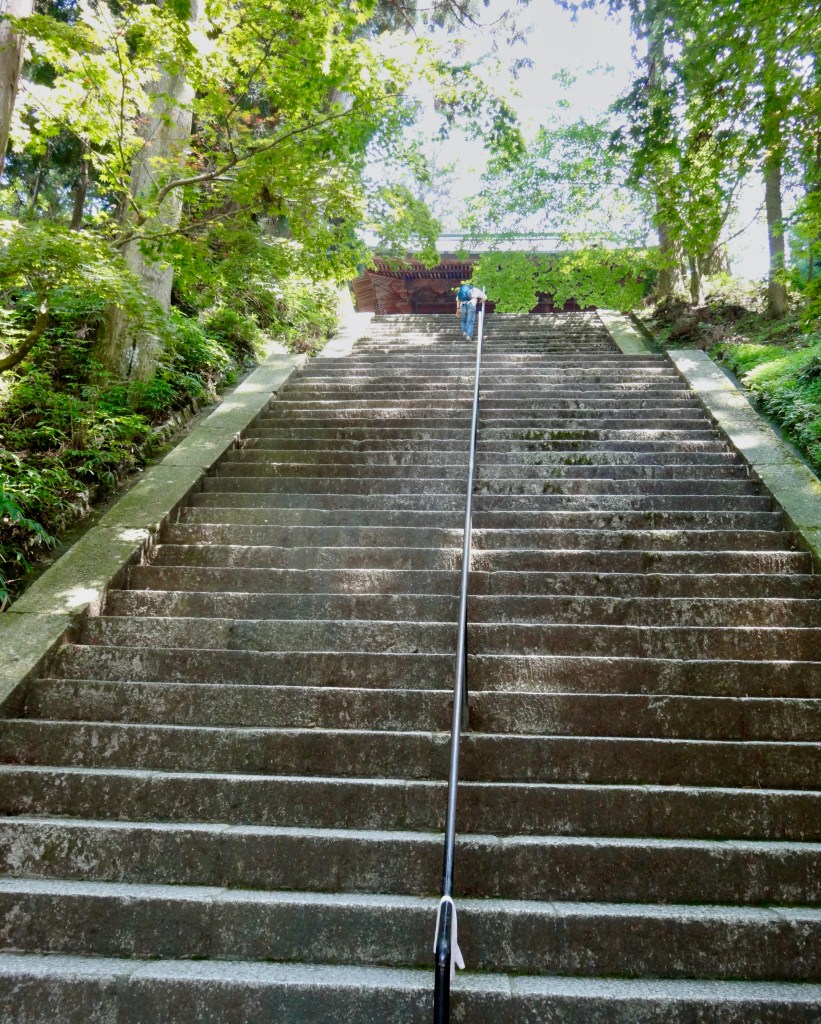
Salire una scala, non necessariamente collegata a un luogo sacro, è in ogni caso un esercizio fisico di sollevamento dal piano terreno. Nessuno infatti sale una scala in modo inconsapevole, anche se si tratta di affrontare i pochi gradini che separano i due o tre livelli di una casa. Ogni gradino è oggetto di una piccola e involontaria riflessione sul concetto di “meta”, “fine”, arrivo.
Salire una scala dritta, avendo l’obiettivo finale ben fisso davanti agli occhi, è sicuramente la sfida più estrema, perché non prevede nessuna stazione intermedia, nessuna distrazione: solo un punto di partenza, basso, e un punto di arrivo, più alto. Tra l’uno e l’altro ci sono il conto degli scalini, le imprecazioni, l’ascolto di muscoli indolenziti, il palesarsi di rimorsi per aver concepito quella scelta.
Climbing a ladder, not necessarily connected to a sacred place, is in every case a physical exercise of elevating from the ground floor. Indeed, no one climbs a staircase unconsciously, even if it involves tackling the few steps that separate the two or three levels of a house. Each step is made the subject of a small, involuntary reflection on the concept of “goal,” “end,” and arrival.
Climbing a straight staircase, having the end goal firmly fixed before your eyes, is surely the most extreme challenge because it involves no intermediate stations, no distractions: only a starting point, lower, and an ending point, higher. Between the one and the other is counting the steps, swearing, listening to sore muscles, and expressing remorse for having conceived that choice.

Ben diverso è salire una scala curva o divisa in sezioni. Ci si ritrova infatti a essere sorpresi a ogni svolta, al guardare oltre l’angolo sperando che il prossimo tratto possa essere l’ultimo e che appaia l’agognata meta finale. Si crea un senso di aspettativa estraneo a chi percorre una scala dritta che spesso può sfociare anche nel nervosismo e nella delusione ma che corrisponde maggiormente a quello che accade durante il cammino simbolico del cercatore che sale per livelli progressivi, prendendosi il tempo di comprendere, apprezzare o persino disprezzare il livello raggiunto.
Antiche saggezze recitavano che i gradini da percorrere per un reale e completo miglioramento dovessero essere sette, come i pianeti, le arti liberali o le scienze, ma anche senza addentrarci nei meandri dell’esoterismo, credo che a un semplice camminatore possano bastare la consapevolezza dell’ascesa, il ricordo di quanti gradini si sono percorsi e del perché lo si è fatto.c
Quite different is climbing a curved or sectioned staircase. Indeed, you find yourself being surprised at every turn, looking over the corner and hoping that the next section may be the last one and that the longed-for final destination will appear. It creates a sense of expectation foreign to people walking a straight staircase that can often also erupt into nervousness and disappointment but that corresponds more to what happens during the symbolic journey of the seeker who ascends by progressive levels, taking the time to understand, appreciate or even despise the level reached.
Ancient wisdom recited that the steps to be climbed for real and complete improvement should be seven, like the planets, the liberal arts, or the sciences, but even without diving into the meanders of esotericism, I believe that for a simple walker the awareness of the ascent, the memory of how many steps one has climbed and why it was done, may be enough.

Perché un gradino non sempre è livellato e facile da percorrere; un gradino può essere ruvido, irregolare, scivoloso, ingannevole. Succede quindi che l’ascendente debba regolare il passo, adattarlo al livello che gli si presenta davanti, controllare la superficie di appoggio, calibrare il proprio slancio. Raramente una salita è un esercizio ritmico e costante, raramente richiede la virtù della velocità. Sempre impone il controllo della forza ascensionale e del respiro. La consapevolezza del lento avanzamento, del piccolo progresso.
A step is not always leveled and easy to walk on; a step can be rough, uneven, slippery, or deceptive. So it happens that the ascender has to adjust his pace, adapt it to the level that is in front of him, control the support surface, and calibrate his momentum. Rarely is an ascent a steady, rhythmic exercise; rarely does it require the virtue of speed. Always it imposes control of upward force and breath. Awareness of slow advance, of small progress.

Una scala può essere percorsa anche in senso discendente, per necessità o per scelta. A tutti è probabilmente capitato di notare come scendere i gradini comporti un esercizio di concentrazione superiore rispetto a quello che necessita salendo.
Se si è arrivati al culmine, il ridiscendere al livello terreno è pur sempre un momento di regresso, di perdita della conquista e come tale capita di compiere questo percorso in modo quasi inconsapevole, desiderando alla fine di tornare al nostro livello consueto, poiché abbiamo perso la visione del sublime. Percorrere una scala in discesa è un esercizio di umiltà, una metafora della nostra incapacità di mantenerci per lungo tempo a contatto con l’eccelso. Discendiamo con dignitosa consapevolezza al nostro livello per avere la forza e la gioia di provare a risalire, fortificati dall’esperienza, ansiosi anche di scoprire una dimensione che magari la prima volta ci era sfuggita.
A staircase can also be walked downhill, either out of necessity or choice. Everyone has probably experienced how descending the steps involves a greater exercise of concentration than that required by ascending.
If we have reached the pinnacle, descending back to the earthly level is still a point of regress, of loss of achievement, and we make this journey almost unconsciously, wishing eventually to return to our usual level, since we have lost the vision of the sublime. Walking down a descending staircase is an exercise of humility, a metaphor for our inability to keep ourselves in touch with the sublime for long. We descend with dignified awareness to our level to have the strength and joy to try to climb back up again, fortified by the experience, eager even to discover a dimension we may have missed the first time around.
 The City Pilgrim
Un commento