


Costruire un ponte non è solo un modo per andare da una sponda all’altra di un fiume, raggiungere un’isola, collegare due vie. È mettere in contatto due parti, unire due opposti, aumentare le possibilità di conoscenza e di movimento. Costruire un ponte è anche un esperienza spirituale profonda che nell’antichità era riservata a pochi eletti, dotati di poteri magici e di conoscenze arcane.
Proviamo a riscoprire queste capacità e a farle fruttare per comprendere e comprenderci meglio, costruendo piccoli ponti nella nostra quotidianità.
Restare ancorati a una sola sponda, convinti che nulla ci sia da scoprire “oltre” ci preclude esperienze, conoscenze e la possibilità di elevare il nostro spirito e la nostra vita!
Building a bridge is not just a way to cross from one side of a river to the other, to reach an island, to connect two ways. A bridge is to connect two sides, to merge two opposites, to increase the possibilities of knowledge and movement. Building a bridge is also a deep spiritual experience that was, in ancient times, reserved for a select elite few gifted with magical powers and arcane knowledge.
Let us try to rediscover these skills and use them to achieve a better comprehension and understanding of ourselves by building small bridges in our daily lives. Staying grounded on one shore, believing that nothing is to be discovered “beyond” will preclude us from experiences, knowledge, and the chance to elevate our spirits and our lives!

Pontifex è un termine latino carico di significati simbolici che nella ormai consolidata accezione di Pontefice, riferita al capo della chiesa romana, ha smarrito il suo significato originario.
Non tutti lo potevano essere. Per essere pontifex servivano anche allora qualità morali, esperienze, conoscenze esoteriche e purezza di spirito.
Nel banale mondo di materialità in cui viviamo si finisce invece per identificare il pontefice in un ingegnere, riducendo così la conoscenza a un mero calcolo matematico. Ma un tempo non era così e mi piace pensare che possa ancora esistere in ognuno di noi una scintilla di quella potenzialità da “pontefice” che ci permetta di guardare oltre la nostra sponda, verso un altra realtà che aspetta di essere conosciuta.
Pontifex is a Latin term full of symbolic meanings that in the now-established meaning of Pontiff referring to the head of the Roman church has lost its original meaning. Not everyone could be so. Even then, moral qualities, experience, and knowledge were needed to be pontifex.
Now in the mundane world of materiality in which we live, it would come naturally to identify the pontifex with an engineer, thus reducing knowledge to a mere mathematical calculation. But once it was not so, and I would like to think that there may still exist in each of us a spark of that ” pontifex” potentiality that allows us to look beyond our shore, toward another reality waiting to be known.
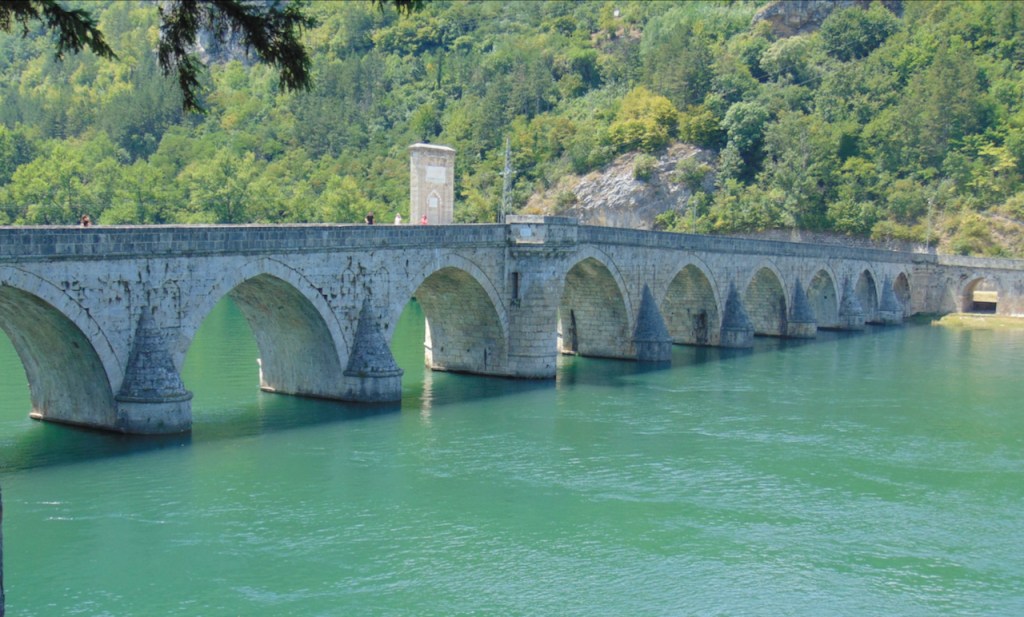
Che cosa significhi edificare un ponte lo racconta in modo mirabile e forse inarrivabile un bellissimo, quanto purtroppo abbastanza dimenticato, romanzo del premio Nobel Ivo Andríc dal titolo Il ponte sulla Drina. Quel ponte, conosciuto come ponte di Mehmed Paša Sokolović dal nome del Gran Visir che lo commissionò) esiste ancora e si trova a Višegrad in Bosnia.
Costruito tra il 1571 e il 1577 su progetto dell’architetto Mimar Sinan è una delle più importanti realizzazioni dell’architettura ottomana, ma per Ivo Andríc è soprattutto il simbolo di un incrollabile e profonda volontà di unione tra mondi diversi, religioni diverse, personalità diverse, che si scontrano e si riuniscono, vivono amori e tragedie ma trovano sempre nel ponte un simbolo di unità e di certezza nella vita. Non è un libro ingenuo e ottimista, perché non esistono ponti facili da gettare, tantomeno ne esistono di facili da mantenere, ma se c’è un racconto simbolico ed essenziale per definire il concetto di “costruire un ponte” (a cui volentieri rimando) non può che essere questo.
What it means to build a bridge is admirably and probably incomparably described in a beautiful as well as unfortunately quite forgotten novel by Nobel laureate Ivo Andríc entitled The Bridge on the Drina. That bridge, known as the bridge of Mehmed Paša Sokolović after the name of the Grand Vizier who commissioned it) still exists and is located in Višegrad in Bosnia.
Built between 1571 and 1577 according to the design of the architect Mimar Sinan, it is one of the most important achievements of Ottoman architecture, but for Ivo Andríc it is mainly a symbol of an unwavering and profound determination to connect different worlds, different religions, different personalities, who clash and reunite, live through loves and tragedies but always find in the bridge a symbol of unity and certainty in life. This is not a naive and optimistic book, for there are no easy bridges to build, even less easy ones to maintain, but if there is a symbolic and essential tale about the concept of “building a bridge” (to which I gladly refer) it can only be this story.

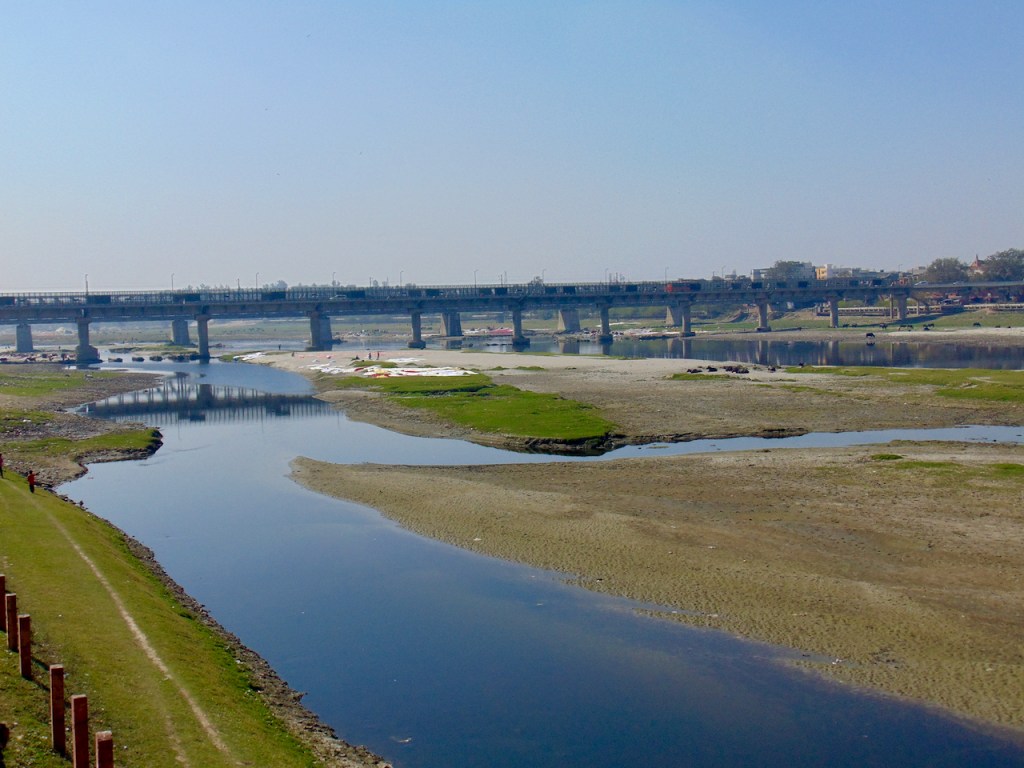
Un ponte è un tratto di unione e continuità, un passaggio facilitante da un lato all’altro della stessa realtà, come quelli apparentemente leziosi e forse superflui che vediamo costruiti nei parchi che sono però indispensabili a dare continuità a un progetto che ha nella bellezza la sua radice.
Sono ponti che si valicano a cuor leggero, senza domande e senza paure, ponti che non hanno alcunché di drammatico eppure riescono, anche solo per un attimo, a dare una visione diversa del mondo che li circonda. Basta una piccola pendenza, quella necessaria a sollevare la campata sopra le acque (ma può essere anche una viadotto, un cavalcavia… che importa la definizione?) per modificare in senso ascensionale la nostra abituale prospettiva piatta.
A bridge is a line of unity and continuity, a smoother passage from one side to the other of the one reality, like the seemingly leesy and perhaps superfluous ones we can see being constructed in parks that are nonetheless indispensable to give continuity to a project that has beauty as its root.
These are bridges that are crossed lightheartedly, without any question or fears, bridges that have nothing of dramatic effect and yet manage if only for a moment, to give a different view of the reality that surrounds them. All it takes is a small incline, the one needed to raise the span above the waters (but it can also be a viaduct, an overpass…who cares about the definition?) to change our usual flat perspective in an upward direction.

Per questo conviene immaginarsi ponti: ponti che si lanciano verso altri versanti del pensiero (letture, visioni, fedi, credenze, stili di vita, abitudini alimentari, passioni sportive…) e che poi si possono anche tagliare con rammarico, dolore, soddisfazione. Nella nostra visione della vita un ponte immaginato è comunque un atto di elevazione, di spostamento dall’abitudine.
Per questo conviene essere umili e realisti nel concepirlo, piuttosto che troppo ambiziosi o visionari come lo fu Michelangelo davanti all’invitò del Sultano di costruire un ponte sul Bosforo.
La sua meravigliosa visione si rivelò impossibile da realizzare e si continuò ad usare un semplice e funzionale ponte di barche.
This is why it is worth imagining bridges: bridges that are thrown to other sides of thought (readings, visions, faiths, beliefs, lifestyles, eating habits, sporting passions…) and then cut with regret, pain, and satisfaction. In our view of life, an imagined bridge is still an act of elevation, of shifting from habit.
Therefore, it pays to be humble and realistic, rather than overly ambitious or visionary as Michelangelo was before the Sultan’s invitation to build a bridge across the Bosphorus.
His marvelous vision proved impossible to realize, and a simple and functional pontoon bridge continued to be used.

Chiunque progetti ponti deve sapere che la loro struttura deve essere solida, capace di reggere piene o correnti, pesi e tensioni. Si potrà optare per il legno o il ferro, la pietra o il cemento, persino immaginare ponti d’oro ma quello che bisogna ben conoscere è il punto di partenza, il punto di arrivo e quello che c’è in mezzo. Su questo si deve concentrare il nostro pensiero mentre concepiamo il nostro progetto. Dove sono? Dove voglio andare? Cosa devo scavalcare? Sembrano domande semplici ma trovare la perfetta combinazione delle risposte richiede conoscenza e onestà, le antiche virtù del pontifex, dell’uomo potente e venerato che apriva nuove strade ai suoi contemporanei.
Anyone who designs bridges must know that their structure must be solid, and able to withstand floods or currents, weights, and stresses. You may opt for wood or iron, stone or concrete, or even imagine gold bridges but what you need to know clearly is where you start, where you end, and what is in between. This is what our thinking must focus on as we conceive our project. Where am I? Where do I want to go? What do I need to bypass? These sound like simple questions, but finding the perfect combination of the answers requires knowledge and honesty, the ancient virtues of the pontifex, the powerful and revered man who opened new paths for his contemporaries.
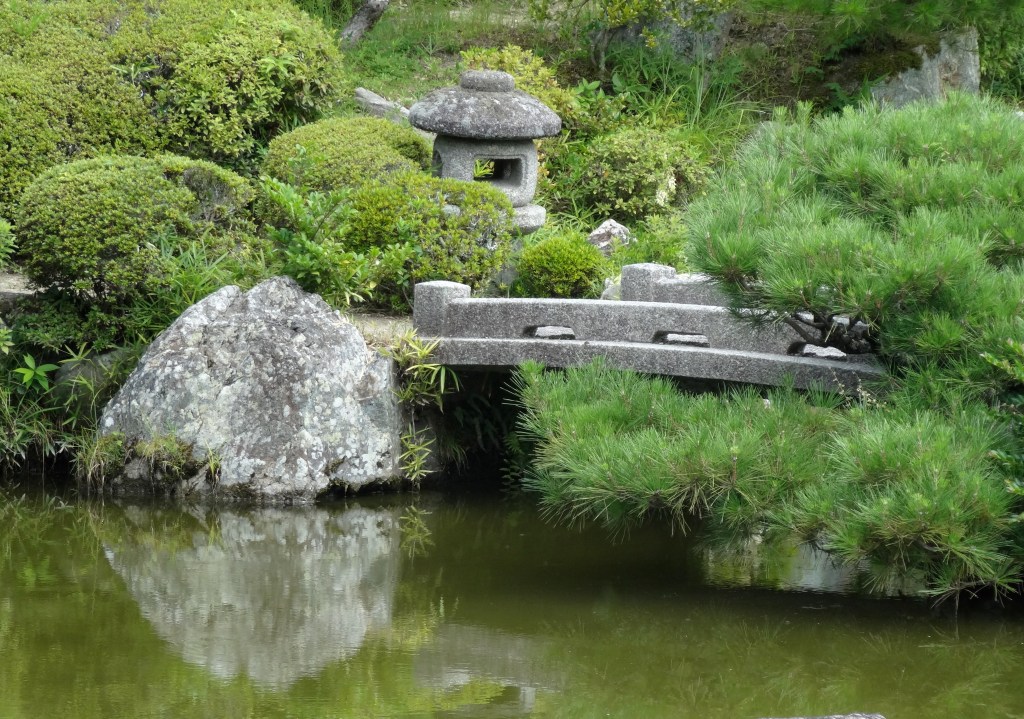
Eccoci dunque davanti al nostro piccolo ponte, quasi nascosto tra la vegetazione, un ponte bello e discreto che ci porta a scoprire una parte del nostro giardino interiore che non avevamo mai esplorato e che ci appare adesso bellissima e praticabile.
Andiamo sull’altra riva senza voltarci indietro, senza paura di cadere nell’acqua, senza pensare a come sarà il sentiero dopo i cespugli.
Diventerà aspro? Sarà dolce? Ci sarà bisogno di lanciare un nuovo ponte? Oppure ci avrà condotto in una strada senza uscita? È inutile pensare alle risposte. Il bello di costruire un ponte e di attraversarlo è nel sapere che quello che troveremo sull’altra sponda non sarà mai quello che abbiamo immaginato!
So here we are in front of our little bridge, almost hidden among the greenery, a beautiful and understated bridge that leads us to discover a part of our inner garden that we had never explored and that now appears beautiful and practicable.
Let us go to the other shore without looking back, without fear of falling into the water, without thinking what the path will be like after the bushes.
Will it become rough? Will it be gentle? Will it require launching a new bridge? Or will it have led us down a dead-end street? It is futile to think about the answers. The beauty of building a bridge and crossing it is that what we will find on the other side will never be what we imagined!
Per leggere altri articoli sul tema Allenare lo spirito vai a questo link
To read more Spiritual Training stories go to this link
 The City Pilgrim
Un commento