


La musica svolge un ruolo importante nelle liturgie e grandi capolavori sono stati creati per accompagnarle. La musica è complice e artefice dello stato di elevazione che è proprio della preghiera e della spiritualità più profonda.
Ci sono suoni, grandi e meravigliosi, che entrano in noi perché li cerchiamo e li accogliamo sapendone o immaginandone il potere ma ci sono anche altri suoni più brevi e casuali che ci sorprendono perché ci raggiungono in modo e in momenti inaspettati. Li accogliamo quasi inconsapevolmente e sono immediatamente attivi in noi. Può capitare, anzi spesso capita a me, di non avere tempo o attenzione sufficienti per accoglierli fino in fondo assimilando la situazione per cui vengono riprodotti, ma essi si insediano nel profondo per poi ritornare a galla nei momenti più inattesi. Sono i suoni rubati, quelli che hai colto entrando o passando per caso da un luogo sacro, suoni che non conoscevi e che ti cambiano la giornata, se non la vita.
Music plays an important role in liturgies, and great masterpieces have been created to accompany them. Music is an accomplice and creator of the elevated state that is proper to prayer and deepest spirituality.
There are sounds, great and wonderful, that enter us because we seek them and welcome them, knowing or imagining their power, but there are also other sounds, shorter and more random, that surprise us because they reach us in unexpected ways and at unexpected times. We welcome them almost unconsciously and they are immediately active in us. It may happen, as it often does to me, that we do not have enough time or attention to fully absorb them by assimilating the situation for which they are played, but they settle deep inside and then emerge at the most unexpected moments. They are the stolen sounds, the ones you catch when you enter or pass by a sacred place, sounds you did not know and that change your day, if not your life.
In questo articolo non troverete suoni ! Proprio perché sono giunti inaspettati non ero attrezzato a registrarli, cosa che peraltro non avrei fatto comunque perché mi avrebbe costretto a distrarre la mente da quanto stavo ascoltando.
Inoltre non voglio, come si dice, fare spoiler, perché spero che esperienze come queste possano capitare (o magari sono già capitate con esiti totalmente diversi dai miei) a chiunque legga questo articolo e non desidero rovinare la sorpresa!.
You will not find any sounds in this article! Precisely because they came unexpectedly, I was not equipped to record them, which I would not have done anyway, because it would have forced me to distract my mind from what I was listening to.
I also do not want to be a spoiler, as they say, because I hope that such experiences can happen to everyone who reads this article (or perhaps have already happened with completely different results than mine) and I do not want to spoil the surprise!

Ecco un accordo di organo che esplode improvviso mentre ti aggiri a testa in su per una chiesa ammirando affreschi. Le sue note inaspettate ti incatenano al pavimento poi ti spingono a sederti su un banco e ad ascoltare quelle che probabilmente sono semplici prove dell’organista e non hanno né la purezza né la precisione di un’esecuzione da concerto. Eppure queste note incerte hanno il potere di colpirti, di dare a quello spazio un valore diverso; così anche il valore, il colore, il significato degli affreschi che stavi osservando lievitano e si ingrandiscono fondendosi per un attimo alle note.
Here is an organ chord that suddenly explodes as you wander headfirst through a church admiring frescoes. Its unexpected notes chain you to the floor, then invite you to sit in a pew and listen to what is probably just the organist rehearsing, with neither the purity nor the precision of a concert performance. Nevertheless, these uncertain notes have the power to strike you, to give a different value to this space, just as the value, the color, the meaning of the frescoes you were contemplating are leavened and magnified, merging for a moment with the notes.

Capita che un semplice mantra recitato in un tempio taoista cinese da un piccolo gruppo di persone accompagnato da suoni di cembali possa avere su di te effetti inaspettati. Si tratta talvolta di suoni sgraziati e persino il canto non pare mai ben armonizzato ma poi entra in azione la ripetizione ipnotica propria del mantra, parole potenti recitate in sequenza e ridotte nella loro incomprensibilità a puro suono sacro.
Se poi il tempio in cui ti trovi è piccolo, pieno di statue, aperto su una valle nebbiosa il potere esercitato dalla musica cresce.
Non si può chiamarla spiritualità, è vero, perché si tratta in buona parte di semplice suggestione ma può succedere che talvolta l’una si abbeveri e si rafforzi nell’altra.
Chiediti come mai, se fossero infatti solo suoni senza grazia captati casualmente in un tempio cinese, essi potrebbero riemergere nella tua mente o nel tuo cuore semplicemente ricordando il giorno in cui sei stato in quel tempio, anche a distanza di molti anni e come allora farti emozionare al solo ricordo.
Sometimes a simple mantra recited in a Chinese Taoist temple by a small group of people accompanied by cymbal sounds can have unexpected effects on you. Sometimes the sounds are awkward, and even the chanting never seems well harmonized, but then the hypnotic repetition proper to the mantra comes into play, powerful words recited in sequence and reduced in their incomprehensibility to pure sacred sound.
If the temple you are in is small, full of statues, open to a misty valley, the power of the music increases.
You cannot call it spirituality, it is true, because it is largely a matter of mere suggestion, but it may happen that sometimes one drinks and strengthens in the other.
Ask yourself why, if they were really just merciless sounds that you happened to hear in a Chinese temple, they would reappear in your mind or heart just by remembering the day you were in that temple, even many years later, and how they would thrill you just by remembering them.

Non potrai mai dimenticare il canto appassionato e continuo che ti accompagna ogni volta che entri un un gurudwara della religione sikh. Il canto del Granth Sahib, il libro sacro che costituisce il fulcro di questa religione, è una costante in ogni tempio. Ne vieni investito in modo inconsapevole, specialmente la prima volta, e te ne stai lì affascinato osservando la estrema compostezza che si riscontra in tutti i fedeli presenti che siedono sui tappeti con volti concentrati. Alcuni, in genere anziani, ripetono le parole del libro sacro scandendole in silenzio, altri si guardano attorno, e c’è persino chi le segue su una app. Se esiste una situazione paradigmatica del concetto di suono sacro rubato è proprio questa che puoi vivere nei gurudwara.
You can never forget the passionate and continuous chanting that accompanies you every time you enter a Gurudwara of the Sikh religion. The chanting of the Granth Sahib, the holy book that forms the core of this religion, is a constant in every temple. Unconsciously, one gets caught up in it, especially the first time, and stands transfixed, observing the extreme serenity of all the devotees present, sitting on the mats with concentrated faces. Some, usually older people, repeat the words of the holy book, sounding them out in silence, others look around, and there are even those who follow along on an app. If there is a paradigmatic situation for the concept of stolen sacred sound, it is the one you can experience in the gurudwaras.
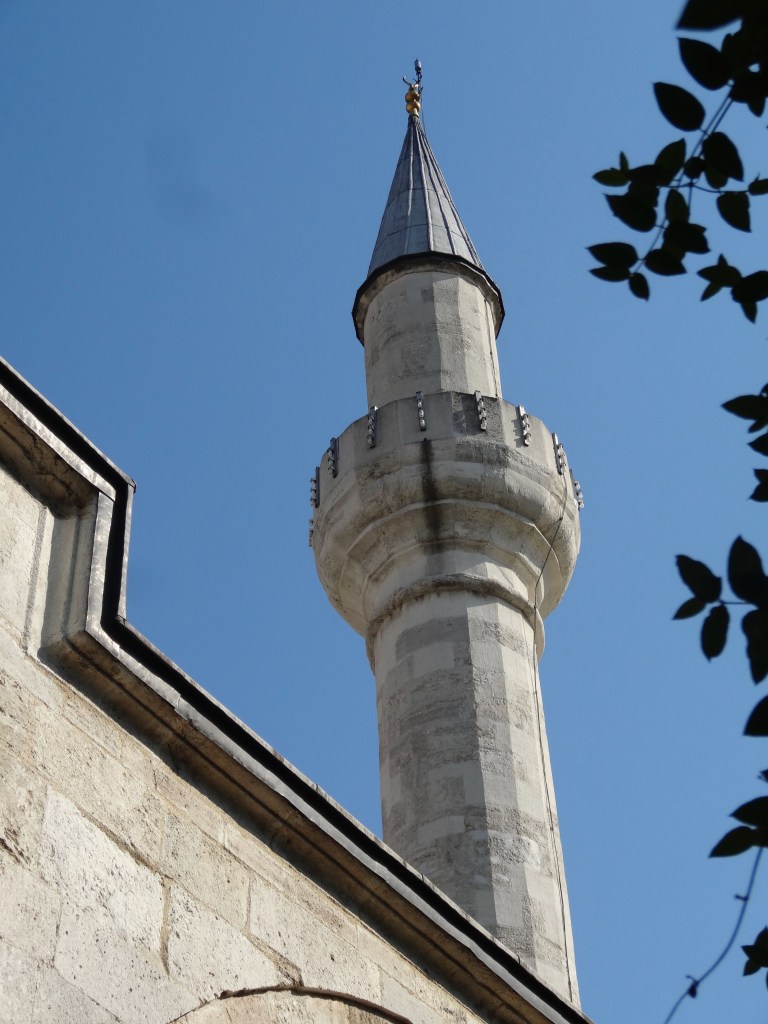
Vengo sempre sorpreso dal richiamo del muezzin che irrompe improvviso in una città dove esista una moschea. Ho già scritto del potere che questa chiamata l’adhan ha su di me da quando ormai quasi quarant’anni orsono lo ascoltai per la prima volta in una calda camera di hotel di Istambul. Faceva caldo e decidemmo di tenere la finestra aperta lasciando così libera azione a un canto di cui non conoscevamo ancora la forza e il potere, soprattutto perché irruppe inaspettato in un alba che lentamente avvolgeva una delle più fantastiche città del mondo. Un canto che giungeva sospinto da una specie di eco provocato del leggero sfasamento in atto tra le diverse moschee in cui veniva eseguito.
I am always surprised by the call of the muezzin that suddenly bursts into a city where there is a mosque. I have already written about the power this call, l’adhan, has had over me since I first heard it almost forty years ago in a warm hotel room in Istanbul. It was hot and we decided to leave the window open, giving free rein to a chant whose strength and power we did not yet know, especially as it burst unexpectedly into a dawn that slowly enveloped one of the most fantastic cities in the world. A song that was driven by a kind of echo caused by the slight displacement that took place between the different mosques where it was sung.

Mi è spesso capitato di partecipare anche solo per pochi minuti alla recitazione di un rosario, che mi ha accolto mentre entravo in una chiesa senza sapere che esso fosse in corso. Accade soprattutto nelle ore del vespro, quando il calare del giorno e delle luci favorisce il ripiegamento della mente e del corpo in una situazione di ricca passività. Allora puoi diventare una facile preda del ritmico procedere cadenzato di preghiere che ti sono familiari ma che hai ormai relegato nello spazio destinato alle cose che ti piacciono, a cui sei grato, ma che non ti senti più di usare a cuor leggero. Il suono rubato ti sblocca il ricordo e per un tempo che può essere lungo o breve, sei di nuovo in sintonia e ti senti a posto con te stesso.
It has often happened to me that I have participated, even for a few minutes, in the recitation of a rosary that greeted me when I entered a church without knowing that it was in progress. This happens especially at Vespers, when the waning of the day and the diminishing of the light encourage the retreat of mind and body into a situation of rich passivity. Then you can become an easy prey to the rhythmic, cadenced progression of prayers that you are familiar with but have now relegated to the space reserved for things you enjoy, for which you are grateful, but which you no longer want to use lightly. The stolen sound unlocks your memory and for a time, which may be long or short, you are in tune again and feel right with yourself.

Il canto profondo e sconvolgente dei monaci tibetani che ti accolgono sorridenti senza smettere di cantare quando fai capolino in una lamaseria sperduta dell’Himalaya. Il loro canto è come un torrente che precipita impetuoso dalle brulle cime che circondano il monastero. Tu ovviamente non hai alcuna idea di cosa stiano dicendo o recitando ma hai la chiara percezione delle profonde scalfiture che ognuno di quei suoni produce sul tuo apparato mentale liberando sensazioni sepolte, ricordi dolorosi, persino lacrime inspiegabili. Il potere del suono difonico o armonico che dir si voglia è stato a lungo studiato e valutato. Io posso solo testimoniarne l’efficacia e la inquietante potenzialità.
The deep, unsettling chanting of Tibetan monks who greet you with a smile and never stop singing as you peer into a remote lamasery in the Himalayas. Their chanting is like a torrent rushing down from the barren peaks surrounding the monastery. You have no idea, of course, what they are saying or chanting, but you have a clear sense of the deep scratches each of those sounds makes on your mental apparatus, releasing buried feelings, painful memories, even inexplicable tears. The power of diphonic or harmonic sound, whatever it may be, has long been studied and evaluated. I can only attest to its effectiveness and its uncanny potential.

Non so classificare l’effetto che producono su di me i canti che accompagnano i riti delle puje induiste, tanto diversi tra loro da sembrare figli di culture diverse. Talvolta delicati ed esili come quelli che accompagnano le cerimonie serali dell’aarti, diventano spesso forsennati e travolgenti come avviene nei templi delle comunità Hare Krishna dove il rischio di essere travolti dalle onde fisiche e sonore che vengono emesse dai partecipanti alla puja è fortissimo e può produrre effetti collaterali diversi per ogni ascoltatore. Lo svolazzare costante dell’armonium azionato dalla mano sinistra del musicista che con la destra disegna piccole filigrane di note e il suono dei tabla battuti ritmicamente a sostegno generano una specie di droga sonora che accomuna anche la versione mussulmana, il celebre qawwali, che in una crescente e convulsa ripetizione di gorgheggi alternati a pause, spinge la mente a liberarsi e a unirsi allo spirito del pir, il maestro sufi a cui il canto è dedicato. In quei momenti conviene forse accontentarsi di rubare piccole quantità di suono perché il rischio di esserne invece penetrati e sconvolti non è poco.
I cannot classify the effect on me of the chants that accompany Hindu puje rituals, which are so diverse that they seem to be the offspring of different cultures. Sometimes delicate and slender as those accompanying the evening ceremonies of the aarti, they often become maddening and overwhelming as they do in the temples of the Hare Krishna communities where the risk of being overwhelmed by the physical and sound waves that are emitted by the puja participants is very strong and can produce different side effects for each listener. The constant fluttering of the harmonium operated by the musician’s left hand drawing small filigrees of notes with the right and the sound of the tabla rhythmically beaten in support generate a kind of sonic drug that also unites the Muslim version, the famous qawwali, which in a growing and convulsive repetition of warbles alternating with pauses, urges the mind to free itself and join the spirit of the pir, the Sufi master to whom the chant is dedicated. In those moments it is perhaps worthwhile to be content to steal small amounts of sound because the risk of being penetrated and disrupted by it instead is not small.
 The City Pilgrim